book reviews
Reviews of must-read books for self-helpers, home improvers and life hackers alike.
Small Actions, Big Transformations. AI-Generated.
We often look for big changes to improve our lives—new jobs, moving to a new city, or starting fresh. But sometimes, the most powerful changes come from small, consistent habits we build every day. It’s the little things we do regularly—not occasionally—that shape the direction of our life. Here’s a personal and practical guide to daily habits that can truly change your life over time. 1. Start Your Day Without Your Phone The first habit that changed my mornings was resisting the urge to check my phone as soon as I woke up. Instead of scrolling through messages and news, I spend a few quiet minutes stretching or just sitting in silence. It sounds simple, but it sets a calm tone for the rest of the day. Try This: Place your phone in another room at night. Use a physical alarm clock instead. Give yourself at least 20–30 minutes in the morning to wake up naturally. 2. Hydrate First Thing in the Morning It’s easy to forget how much water matters. After hours of sleep, our body wakes up dehydrated. I started keeping a glass of water next to my bed, and it’s the first thing I reach for every morning. Tip: Add a slice of lemon or cucumber for flavor and a little detox boost. It energizes you more than coffee—trust me. 3. Write Down 3 Things You're Grateful For I began this habit after reading a study that gratitude improves both mental and physical health. It felt awkward at first, but over time, it helped shift my focus from what was missing in my life to what I already had. Even on tough days, there’s always something—a good meal, a supportive friend, or simply a peaceful evening. How to Start: Keep a small notebook or use the notes app on your phone. Write three things every night before bed or first thing in the morning. 4. Move Your Body—Even Just for 10 Minutes You don’t need a gym membership or fancy workout gear. Just move. Walk, dance, stretch, do yoga—whatever works for you. I found that even 10 minutes of light stretching in the morning made a big difference in my energy and mood. It’s not about burning calories—it’s about showing your body some love. 5. Read or Listen to Something Positive We often fill our minds with negative content without realizing it—news, gossip, online arguments. I made a habit of reading a few pages of a good book or listening to an inspiring podcast while I cook or commute. This one habit alone has introduced me to new ideas, improved my focus, and helped reduce my anxiety. 6. Plan Your Day with Intention I used to jump into my day reacting to everything around me—calls, emails, errands. But when I started taking 5–10 minutes to plan my top 3 priorities for the day, I felt more in control. You don’t need a fancy planner. Just jot down what really needs to get done and block a little time for yourself too. 7. Eat More Vegetables (Seriously!) I never used to care much about what I ate. But once I started adding more greens and fresh veggies into my meals, I noticed more energy, fewer afternoon crashes, and even better skin. And no, I’m not a salad lover. But roasted veggies with a bit of olive oil and salt? Game-changer. You don’t need to go full health-nut mode. Just try adding one extra serving of vegetables to your meals every day. It adds up. 8. Create a Wind-Down Routine Our minds don’t come with a power button, which is why so many of us struggle with sleep. I started turning off screens 30 minutes before bed, lighting a candle, and reading or journaling instead. A calm night routine helps your brain prepare for rest. You’ll sleep better—and wake up less stressed. 9. Say One Kind Thing to Yourself Daily We’re often our harshest critics. Try this: Each day, stand in front of the mirror and say one kind thing to yourself. It may sound silly, but it slowly builds self-respect and confidence. It could be as simple as: "I’m doing the best I can today." 10. Be Present for At Least One Moment We rush through so much of life that we forget to live it. One small habit I built was choosing one moment in the day to be fully present—watching the sunset, sipping tea without distractions, or listening deeply to someone. These small pauses bring you back to life’s simple beauty. Final Thoughts Building new habits isn’t about perfection—it’s about progress. You don’t have to do all these things at once. Start with one or two that feel right, and let the rest follow naturally. Life doesn’t change in a day. But your daily habits? They can shape your entire future.
By Sherooz khanabout a year ago in Lifehack
iOS 26 adds new Liquid Glass icons — here's how to transform your iPhone homescreen
**iOS 26 Adds New Liquid Glass Icons — Here's How to Transform Your iPhone Home Screen** Apple has always taken pride in its design philosophy, and with iOS 26, it's taken aesthetics to a whole new level. "Liquid Glass Icons," a visually striking and fluid reimagining of app icons that blends style and substance, is a design change introduced in the most recent iPhone update. This update is a dream come true for anyone who enjoys a sleek, futuristic home screen. The design of Liquid Glass is more than just a minor update. These icons look like molten glass that has been molded into beautiful, minimalistic shapes and feature depth, light play, and semi-transparency. It is a significant departure from iOS 7's flat icon design, combining contemporary elegance with a subtle 3D effect. The outcome? A more immersive, tactile experience that feels alive under your fingertips.
By GLOBAL NEWSabout a year ago in Lifehack
A Second First Love
Rachel Thomas hadn’t expected to feel anything when she walked into the high school auditorium that Friday evening. She was just there to support her son, Evan, during rehearsal. The plan was simple: drop off snacks for the cast, wave from the back row, and head out before the chaos began. She didn’t expect the jolt in her chest. She didn’t expect him.
By iftikhar habibabout a year ago in Lifehack
Managing Stress Through Mindfulness. AI-Generated.
Introduction: A Moment That Changed Everything One rainy evening, I sat by the window, overwhelmed by a whirlwind of thoughts — deadlines, responsibilities, unspoken worries. I had been carrying stress like a weight on my shoulders for weeks. My heart was racing for no reason, and my mind wouldn’t stop spinning. That’s when I opened a video randomly titled “Just Breathe.” It was five minutes long, and all it asked me to do was sit still and follow my breath. It sounds simple. But in that moment, it was exactly what I needed. That moment introduced me to mindfulness — not as a trend, but as a quiet, powerful tool for healing. What Exactly Is Mindfulness? Mindfulness is the art of paying full attention to the present moment without judgment. It’s noticing your breath, your heartbeat, the taste of your tea, or the tension in your body — without trying to fix anything. In a world obsessed with doing, mindfulness invites us to simply be. It doesn't require a yoga mat or a spiritual retreat. You can be mindful while brushing your teeth, walking to the store, or even chopping vegetables. Why Stress Is Everywhere Stress isn’t just about too much work. It’s about how we relate to our experiences. Most of us live in the future — worried about what might happen — or in the past — regretting what’s already done. This mental tug-of-war creates tension in the body and clouds in the mind. Even our phones, while helpful, keep us distracted from ourselves. We're always scrolling, always comparing, always racing against time. Mindfulness, however, gently pulls us out of this noise and brings us back to now. How Mindfulness Helps with Stress Multiple scientific studies support what mindfulness practitioners already know: it helps. A Harvard study found that regular mindfulness practice can physically reshape the brain — strengthening areas related to emotional regulation and reducing the size of the amygdala (the part linked to fear and stress). Another study from Oxford showed that mindfulness-based stress reduction (MBSR) significantly reduces anxiety and depressive symptoms. But even without science, you can feel it. When you take a moment to pause, to breathe consciously, to notice what’s around you — your body softens. Your mind clears. Your heartbeat slows down. Real-Life Example: Mindfulness in the Kitchen One of my favorite mindfulness moments happened in the most unexpected place — my kitchen. I was preparing dinner, feeling anxious about an upcoming deadline. I stopped and reminded myself to be present. I focused on the feel of the knife slicing through a tomato, the sound of the sizzle, the aroma of garlic in hot oil. Suddenly, I wasn’t stressed. I was fully alive in that moment — not as someone trying to finish a task, but as a person simply living. That’s the magic of mindfulness: it transforms the ordinary into something grounding and beautiful. Easy Ways to Practice Mindfulness Daily You don’t need to meditate for an hour. Here are simple practices that fit into even the busiest day: 1. Mindful Breathing (5 Minutes) Sit comfortably. Close your eyes. Inhale slowly through your nose, exhale gently through your mouth. Focus only on the breath. When your mind drifts (it will), bring it back. This is your anchor. Just five minutes can reset your entire mood. 2. The Body Scan Lie down or sit still. Bring attention to your toes, then your feet, legs, belly, chest, shoulders — all the way up to your head. Notice any sensations. Tension. Warmth. Lightness. This helps release stress stored in the body. 3. Mindful Walking Take a short walk, but don’t bring your phone. Notice each step. Listen to the sounds around you. Feel the ground under your feet. Smell the air. It turns a regular walk into a healing ritual. 4. One Mindful Meal Eat one meal a day without distractions. No phone. No TV. Just you and your food. Savor the taste, the texture, the aroma. It improves digestion — and your peace of mind. 5. Pause Before Reacting When you're angry or overwhelmed, take a breath before you speak or decide. This pause is where mindfulness lives — and where better choices are made. Tips for Building the Habit Start Small: Don’t aim for perfection. Two minutes a day is enough to begin. Use Reminders: Place sticky notes like “Pause” or “Breathe” where you’ll see them. Pair with Routine: Practice during something you already do — like brushing your teeth or making tea. Be Patient: Some days will be noisy and restless. That’s okay. Mindfulness isn’t about stopping thoughts — it’s about learning not to follow every one of them. Final Thoughts: A Lifelong Practice Managing stress through mindfulness isn’t about escaping life’s problems. It’s about meeting them with clarity, calm, and kindness. You begin to understand that stress doesn’t control you — your response to it does. There will still be tough days. But mindfulness gives you tools to face them with grace. It teaches you to live fully — not someday, but right now. So, take a deep breath. You’re already doing it.
By Sherooz khanabout a year ago in Lifehack
Galaxy Z Fold 7 is the world’s thinnest foldable at 8.82mm, study finds Honor Magic V5 is 9.35mm
The Galaxy Z Fold 7 beat out the Honor Magic V5 to become the world's thinnest foldable, measuring 8.82mm. A new champion of thinness has emerged in the world of foldable smartphones, which is constantly evolving. The Samsung Galaxy Z Fold 7 is officially the world's thinnest foldable phone, measuring just 8.82 mm when folded, according to a recent study. This achievement not only represents a significant milestone for Samsung's design and engineering teams, but it also sets new industry standards for premium foldable device possibilities. Samsung's Galaxy Z Fold series has consistently been at the forefront of foldable technology, offering users a seamless blend of smartphone and tablet functionality. With the Galaxy Z Fold 7, Samsung has created a device that is slimmer, lighter, and more refined than any of its predecessors or current rivals. This pushes the boundaries once more. The Galaxy Z Fold 7 is noticeably thinner than its closest rival, the Honor Magic V5, which is 9.35mm thick. This is due to the Galaxy Z Fold 7's 8.82mm thickness. In the world of mobile devices, where even a millimeter can have a significant impact on ergonomics, portability, and user experience, the difference may appear insignificant on paper. This was made possible by the engineering team at Samsung by carefully optimizing the internal parts, introducing a hinge mechanism that was smaller, and using new materials. This slim profile is made possible in large part by the new hinge design. Samsung has included a redesigned "Flex Hinge 2.0" that not only makes the device lighter but also lasts longer. When the device is closed, the improved hinge mechanism eliminates visible gaps and allows for a tighter fold. Additionally, the device's lighter components help to reduce its overall weight, making it easier to use on a daily basis. Additionally, materials science has been crucial. Samsung has used ultra-thin glass and a newly developed composite backplate to keep the device durable while reducing its thickness. The use of lighter alloys and carbon fiber elements within the frame adds to the device’s strength without increasing weight.
By GLOBAL NEWSabout a year ago in Lifehack
The Whispering Clock
The clock had been on the wall of Eleanor's cottage for as long as anyone could remember. A large, wooden timepiece with golden Roman numerals, it ticked with a sound that seemed to echo memories, like the house itself was breathing through time.
By Afzal khan dotani (story uplode time 10:00 PM)about a year ago in Lifehack
How to Make Money on eBay in 2025: The Ultimate Beginner’s Guide
Want to learn how to make money on eBay in 2025? Discover a step-by-step guide to selling on eBay, finding profitable products, and building a sustainable online income. --- Introduction If you're looking to earn extra income or even build a full-time business from home, learning how to make money on eBay is a great place to start. With over 130 million active buyers worldwide, eBay remains one of the most trusted platforms for buying and selling online. In this SEO guide, we’ll walk you through how to get started, what to sell, and how to grow your eBay business in 2025. --- Why eBay Is a Great Way to Make Money eBay allows you to sell almost anything—used or new—making it ideal for beginners. Whether you're flipping thrift store finds, clearing out your garage, or launching a dropshipping business, eBay’s large customer base gives you the visibility needed to succeed. Key Benefits of Selling on eBay: Huge global marketplace Low start-up cost Flexible business model Opportunity to scale Step 1: Create Your eBay Seller Account To start making money on eBay, create an account by visiting eBay.com. Choose between a personal or business account depending on your goals. Checklist: Register your account Add your payment method (bank account) Set up your seller profile Verify identity (if prompted) Step 2: Sell Items You Already Own The best way to start selling on eBay is to begin with what you already have. Search your home for items you no longer need, such as: Electronics Clothing and shoes Video games Collectibles Kitchen gadgets Take high-quality photos, write accurate descriptions, and set a competitive price. You’ll learn the platform and generate your first sales without spending money on inventory. Step 3: Research What Sells Best on eBay Knowing what to sell on eBay is key to success. Use eBay’s Advanced Search and Sold Listings filter to research which products are in demand. Top-selling categories on eBay in 2025: Consumer electronics Branded fashion (e.g., Nike, Levi’s) Home & garden tools Vintage collectibles Car parts & accessories Look at the number of bids, selling price, and frequency to determine what’s worth listing. Step 4: Find Inventory for Resale After selling your own items, the next step is sourcing inventory. Here are a few proven methods to find products to sell on eBay for profit: 1. Thrift Stores & Garage Sales Find undervalued items and resell at a markup. 2. Retail Arbitrage Buy discounted products at stores like Walmart or Target and flip them on eBay. 3. Wholesale Buying Use wholesale directories to buy in bulk and maximize profit margins. 4. Dropshipping Sell items you don’t physically stock. A third party handles storage and shipping. > 🔍 Pro Tip: Always calculate fees, shipping, and taxes before listing to ensure your margins are healthy. Step 5: Create Optimized eBay Listings eBay SEO plays a major role in visibility and sales. Here’s how to optimize your listings: Title: Use relevant keywords buyers would search (e.g., “Nike Air Max Men’s Size 10 – Brand New”) Photos: Use bright, high-resolution images with clean backgrounds Description: Include details like brand, size, condition, and any flaws Pricing: Use eBay's pricing suggestions or look at sold listings for guidance Shipping: Offer free or fast shipping when possible The better your listing quality, the higher you’ll rank in eBay search results.
By Desmond Kay about a year ago in Lifehack
How to Set and Achieve SMART Goals. AI-Generated.
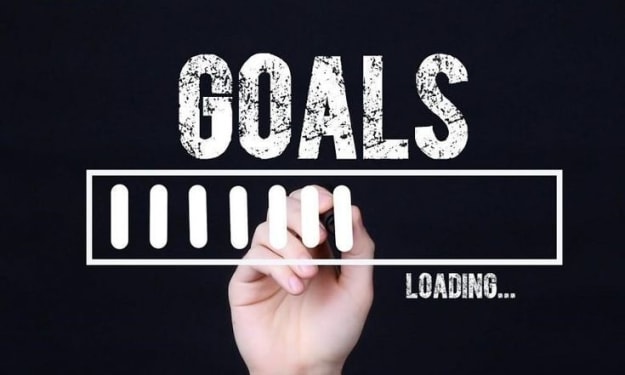
We’ve all set goals at some point—whether it’s losing weight, starting a side hustle, or learning something new. But let’s be honest: how many of those goals do we actually follow through on? For me, it used to be a cycle—excited one day, distracted the next. That changed when I discovered the SMART Goals framework. It's not just another productivity buzzword—it really helps you get specific, stay realistic, and actually see progress. In this article, I’ll break down how to set SMART goals, why they work, and how to stay motivated, using real-life examples and practical advice. What Are SMART Goals? SMART is an acronym that stands for: Specific Measurable Achievable Relevant Time-bound Each part forces you to think clearly about what you want and how you’ll get there. Let’s go through each one. 1. Specific – Get Clear on What You Want Your goal should answer what, why, and how. Bad Goal: “I want to get fit.” Better Goal: “I want to run 3km every morning to improve my stamina.” When I started eating healthier, I didn’t just say “I’ll eat better.” I said, “I’ll cook three home meals a week using fresh vegetables like spinach, carrots, and lentils.” That helped me stay focused and actually enjoy the process. 2. Measurable – Track Your Progress You need something to measure so you’ll know if you're getting closer to your goal. Example: Instead of “Read more books,” try “Read 12 books this year—one each month.” I once tracked my sleep using a simple notebook, just noting what time I slept and woke up. That small act of tracking made me more aware and improved my sleep routine in a week. 3. Achievable – Keep It Realistic It’s great to dream big, but starting with something realistic builds momentum. If you haven’t worked out in a year, don’t aim for an intense 2-hour gym routine five times a week. Try 20 minutes at home for the first week. Small wins build trust in yourself. This reminds me of when I wanted to switch to a plant-based diet. I didn’t cut everything out at once. I started by replacing one meal with vegetables and legumes. That small change turned into a habit. 4. Relevant – Align Goals with Your Life Your goal should matter to you, not just sound impressive to others. Ask yourself: Does this goal fit with where I want to be in life? Is this something I truly care about? When I tried to learn coding just because it was trending, I gave up after a week. But when I focused on writing (something I loved), I stayed consistent for months and even published content I was proud of. 5. Time-Bound – Set a Deadline Deadlines create urgency. Example: “Launch my blog by September 15th.” Not “Launch a blog someday.” Even with small goals like “organizing the kitchen,” I find that saying, “I’ll finish it by Saturday evening” helps me stop procrastinating. Bonus Tips to Stick With Your SMART Goals ✅ Write Them Down There’s power in putting goals on paper. It makes them feel real. ✅ Share With Someone Accountability helps. I told a friend about my goal to do yoga three times a week—and just knowing she might ask about it kept me on track. ✅ Celebrate Small Wins Don’t wait until the big goal is done. Celebrate little steps. Reward yourself with something meaningful—like a break, a good book, or just a deep breath and a smile. Final Thoughts Setting goals can be exciting—but achieving them is empowering. SMART goals offer structure without being rigid. They let you be honest with yourself and realistic about your journey. Start small. Be kind to yourself. And remember: progress, not perfection. Whether it’s building better habits, growing your career, or simply adding more vegetables to your plate (yes, I’ll always promote that), a SMART approach makes it doable.
By Sherooz khanabout a year ago in Lifehack
When Shadows Remember
They started remembering things that never happened. Small things, at first—a song that made them cry though they’d never heard it. A street they’d never walked down but knew every crack in. A dream of drowning in a river they'd never seen… but woke up gasping, lungs full of terror.
By Muhammmad Zain Ul Hassanabout a year ago in Lifehack
“One Week Without a Mirror”
One Week Without a Mirror By.. Iftikhar Habib It started with a challenge. I was scrolling mindlessly through social media when I came across a post that said: “Spend a week without mirrors. You’ll see yourself more clearly.” I scoffed, but something about the idea lingered. Maybe it was the timing—I'd just spent the better part of an hour analyzing a selfie I never posted. Or maybe I was tired of being so aware of my reflection that it felt like I was living in a permanent state of judgment.
By iftikhar habibabout a year ago in Lifehack
You Support Me, I’ll Support You Back
You Support Me, I’ll Support You Back In a quiet village nestled between hills and forests, lived two childhood friends, Ayaan and Rafiq. They were born just weeks apart, learned to walk holding each other’s hands, and went to the same village school under the shade of a massive neem tree. From paper boats in rainy puddles to stolen mangoes in the summer, they shared everything.
By Huzaifa Dzineabout a year ago in Lifehack