
Search Engine Ranking Factors
Keywords: Are the targeted keywords present on the webpage and used appropriately?

Search Engine Ranking Factors
Search engine ranking factors are the criteria that search engines use to determine the relevance and importance of a website and its pages, and to determine the order in which search results are presented. Some of the key factors that influence search engine rankings
Keywords: Are the targeted keywords present on the webpage and used appropriately?
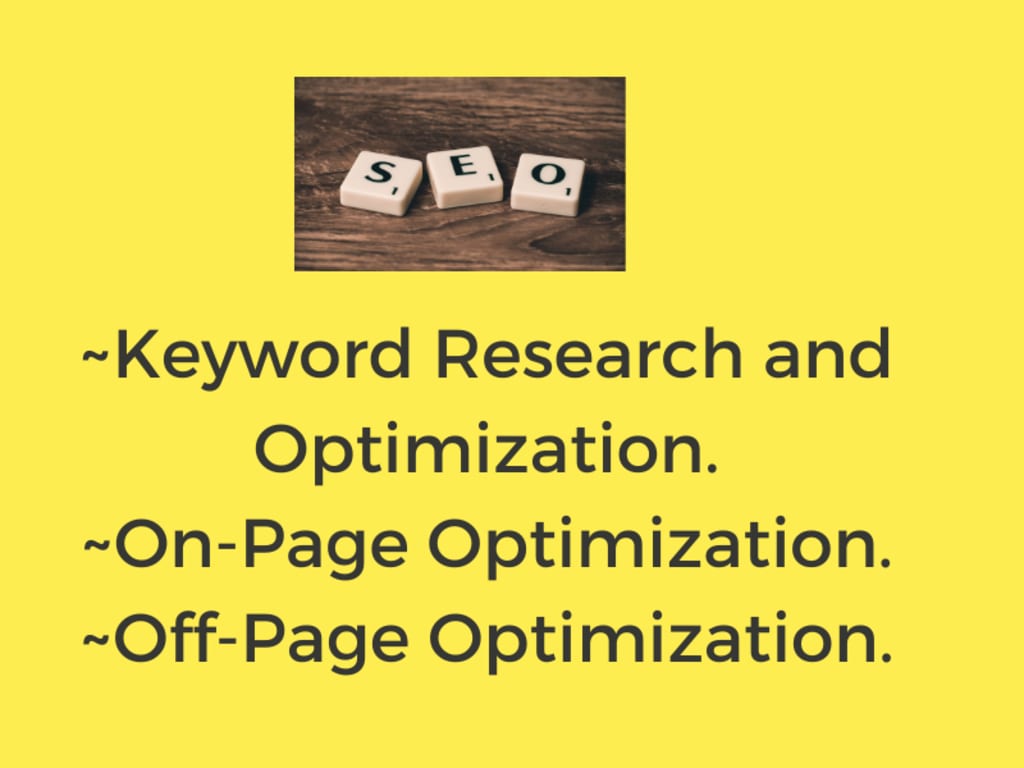
1. Keyword research and optimization: Identifying and using relevant keywords in your website's content and metadata, such as the page title and description, can help improve your website's visibility in search engine results pages (SERPs) for those keywords.
2. On-page optimization: This refers to the practice of optimizing individual web pages in order to rank higher and earn more relevant traffic in search engines. On-page optimization can include elements such as the page's title and body content, as well as its URL structure and internal linking.
3. Off-page optimization: Also known as link building, this refers to the practice of getting external websites to link back to your own website. Link building is an important part of SEO because search engines view links from other websites as a sign of the quality and relevance of your own website.
Keyword research and optimization:
Keyword research and optimization is an essential part of search engine optimization (SEO). By identifying and using relevant keywords in your website's content and metadata, you can improve your website's visibility in search engine results pages (SERPs) and attract more qualified traffic.
To get started with keyword research and optimization, you'll need to identify the keywords that are most relevant to your business and target audience. There are a few different ways you can do this:
1. Start by making a list of all the products, services, and topics that your website covers. These will be your primary keywords.
2. Use a keyword research tool, such as Google's Keyword Planner, to find additional keywords and phrases that are related to your primary keywords. These tools can help you see how often certain keywords are searched for, as well as give you an idea of how much competition there is for those keywords.
3. Consider the language and terms that your target audience uses when searching for the products, services, or information that you offer. Using these terms in your website's content and metadata can help attract more qualified traffic.
Once you've identified a list of relevant keywords, the next step is to incorporate them into your website's content and metadata. This includes:
1. Page titles: The title of each page on your website should include one or more of your primary keywords, as well as a brief description of the page's content.
2. Meta descriptions: The meta description is a short summary of the page's content that appears in the SERPs. Including one or more of your primary keywords in the meta description can help improve your website's visibility.
3. Headings and subheadings: Using your primary keywords in headings and subheadings can help signal to search engines what your page is about and can also help improve the readability of your content for users.
4. Alt text: Alt text is the text that is displayed when an image can't be displayed on a webpage. Including your primary keywords in the alt text of images on your website can help improve your website's visibility in image search results.
By following these best practices for keyword research and optimization, you can help improve your website's visibility in search engine results pages and attract more qualified traffic.
On-page optimization:
On-page optimization refers to the practice of optimizing individual web pages in order to rank higher and earn more relevant traffic in search engines. On-page optimization can include a variety of elements, such as the page's title and body content, as well as its URL structure and internal linking.
Here are a few best practices for on-page optimization:
1. Page titles: The title of each page on your website should be unique and include one or more of your primary keywords, as well as a brief description of the page's content. The page title is one of the most important on-page SEO factors, as it tells search engines what the page is about and can influence how the page ranks in the SERPs.
2. Meta descriptions: The meta description is a short summary of the page's content that appears in the SERPs. Including one or more of your primary keywords in the meta description can help improve your website's visibility. However, it's important to write meta descriptions that are compelling and informative for users, as they can influence whether or not people click on your website in the SERPs.
3. Headings and subheadings: Using your primary keywords in headings and subheadings can help signal to search engines what your page is about and can also help improve the readability of your content for users.
4. Internal linking: Internal linking refers to the practice of linking to other pages on your own website. Internal linking can help search engines understand the structure and hierarchy of your website, as well as pass along link equity (ranking power) to other pages on your site.
Off-page optimization:
Off-page optimization, also known as link building, refers to the practice of getting external websites to link back to your own website. Link building is an important part of search engine optimization (SEO) because search engines view links from other websites as a sign of the quality and relevance of your own website.
There are a few different strategies that you can use to build links to your website:
1. Guest blogging: One way to get external websites to link back to your own is to write content for other websites, such as blogs or online publications, and include a link back to your own website in your bio or in the body of the article.
2. Directory listings: Submitting your website to online directories can help improve your website's visibility and can also lead to additional links. However, it's important to only submit your website to reputable directories and to make sure that the links are of high quality.
About the Creator
Enjoyed the story? Support the Creator.
Subscribe for free to receive all their stories in your feed.
Comments
There are no comments for this story
Be the first to respond and start the conversation.