
Roof Plumbing Defects to Check on a Newer Melbourne Home
What new Melbourne homeowners should look for in gutters, flashings and downpipes before small leaks turn into big repairs
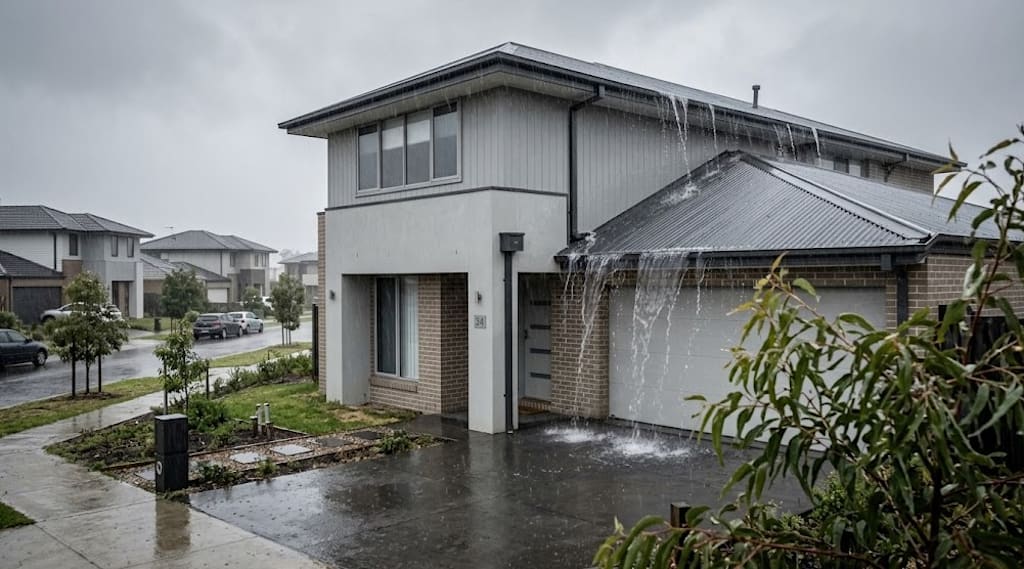
The first heavy downpour after moving into a new build is often when the questions start. Water spills over the front of a gutter instead of running to the downpipe. A faint stain appears on the garage ceiling, and nobody can say where it came from. Plenty of roof plumbing defects on newer homes stay hidden like this for a year or two, then show up all at once.
Timing matters. In Victoria, owners generally have up to 10 years from the occupancy permit to act on defective building work. The defect period written into most building contracts is much shorter, often measured in months rather than years. Leave it late, and getting the original builder back on site becomes harder and usually more expensive. Getting a roof plumber in Melbourne to do an inspection is the simplest way to find out where you stand while there’s still time to act on it.
Where Roof Plumbing Defects Usually Show Up First
Roof plumbing is one of the last trades through before handover, when the build program is usually running behind. Most problems fall into a few familiar categories.
Gutters with too little fall, so water pools in one corner and sits there
Downpipes spaced too far apart for the size of the roof they drain
Flashings held on with a bead of silicone instead of being properly lapped and sealed into the wall
Box gutters between roof sections with no overflow, or one far too small for a summer storm
Metal offcuts (swarf) left on Colorbond sheeting after cutting, which turn into small orange rust spots within months
Box gutters deserve the closest look. They sit inside the roof line, often directly above a living area, so when one overflows the water has nowhere to go but in. One that copes with ordinary rain can still fail in the short, intense storms Melbourne gets through summer.
What to Look for From the Ground
Most warning signs can be spotted without a ladder. Watch the roof during a solid shower. Water spilling over the gutter halfway along a run, rather than at a blocked outlet, points to a fall or capacity problem. Rust streaks on fascias, damp patches on the eaves lining, or a ceiling mark near an internal wall where two roof sections meet are all worth photographing with the date showing. There are many red flags where plumbing issues are more than a simple DIY fix.
Those photos are worth more than people expect. A builder can wave away a description from memory, but a dated record of the same problem turning up three storms in a row is much harder to dismiss.
Ask for the Compliance Certificate
In Victoria, plumbing work over $750 (roof plumbing included) has to come with a compliance certificate from the licensed plumber who did it. On a new build, that certificate usually goes to the builder, so plenty of owners never see it. Ask for a copy. It names the plumber and records the work, which gives you something concrete to point to if that work later turns out to be faulty.
Get an Independent Inspection Before You Raise It
Builders often send their own subcontractor to look at a complaint, and that person may well be the one who installed the roof plumbing in the first place. Plenty of licensed roof plumbers in Melbourne will do a standalone defect inspection, separate from anything the builder arranges. Their report separates what’s non-compliant from ordinary wear, which keeps the conversation with the builder factual rather than heated.
Around Epping, Mernda and Craigieburn, whole streets were built within a few years of each other by the same handful of volume builders, and the same faults tend to repeat from house to house. A local roof plumber who has already seen a dozen versions of one box gutter detail can usually tell in a single visit whether it’s a design flaw or poor workmanship. That distinction often decides who ends up paying for the fix.
Put every request to the builder in writing, with the photos and report attached. If nothing comes back, Victoria’s building dispute process is the next step, and it relies on exactly that kind of evidence.
The most expensive roof defect on a new build is the one discovered after the warranty window has closed. Book an inspection while the paperwork still works in your favour.
About the Creator
Enjoyed the story? Support the Creator.
Subscribe for free to receive all their stories in your feed.
Comments
There are no comments for this story
Be the first to respond and start the conversation.