
Overlooked Overhead: The Real Value of Integrated Commercial Roofing
Understanding the long-term economics of the building envelope.

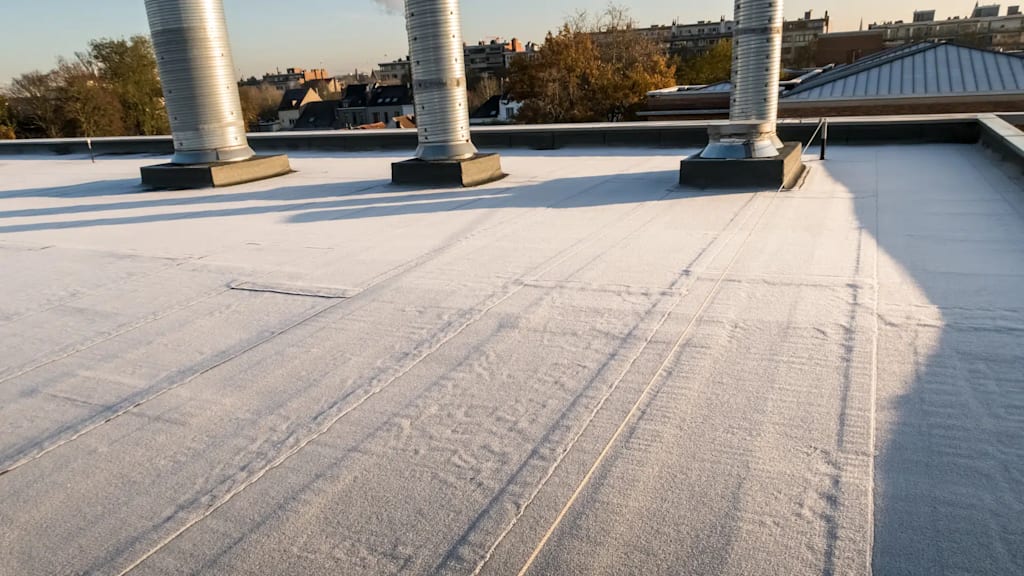
For most commercial property owners, the roof is an afterthought—noticed only when water hits inventory or utility bills spike. Yet, it remains the most vulnerable element of any structure.
Year-round, a building envelope endures a brutal environmental gauntlet. Winter snowpacks strain structural integrity, while rapid freeze-thaw cycles force materials to expand and contract until they fracture. Heavy rain tests seams, summer UV radiation degrades core materials, and autumn winds look for loose edges to peel back.
A premature roof failure impacts net operating income, disrupts daily business operations, and accelerates structural depreciation. Protecting your real estate investment requires shifting from a low-bid commodity mindset to an integrated engineering approach.
The System Integration Approach
Treating a commercial roof as a collection of disjointed parts is a costly mistake. Building science shows that early failures rarely stem from a flawed top membrane alone. Instead, they occur due to component incompatibility or poor regional climate pairing.
The Core Reality: If the underlying insulation cannot handle thermal shifts, or if the adhesives turn brittle in extreme cold, the entire building envelope fails.
An integrated system solves this vulnerability. When a single manufacturer design ensures that membranes, insulation, fasteners, and sealants work together, you eliminate structural guesswork and secure predictable, long-term durability.
Core Roofing Technologies
Property owners must select a material technology that aligns with their specific structural design and daily business activities. Here is how the five primary systems compare:
- TPO (Thermoplastic Polyolefin): A popular single-ply membrane known for immediate energy savings. Its highly reflective white surface repels solar radiation, lowering peak summer cooling demands. Heat-welded seams form a continuous, watertight bond ideal for low-slope roofs. Highly cost-effective and flexible, it allows for mechanically attached, fully adhered, or ballasted installations across a lifespan of 20 to 25 years.
- PVC (Polyvinyl Chloride): The undisputed king of chemical resistance. If your facility vents grease, kitchen oils, or industrial chemicals onto the deck, standard membranes will dissolve. PVC handles these substances effortlessly. It features robust heat-welded seams for excellent water protection, resists heavy maintenance traffic, and lasts 20 to 30 years, though it carries a higher upfront capital investment.
- EPDM (Ethylene Propylene Diene Monomer): A synthetic black rubber membrane praised for decades for its durability. Its exceptional thermal flexibility allows it to stretch and snap back during intense freeze-thaw cycles without cracking. It is highly budget-friendly for massive flat layouts and lasts up to 30 years, but absorbs summer heat and requires routine seam maintenance.
- Asphaltic Systems (Modified Bitumen): A multi-ply design using layers of asphalt reinforced with fiberglass or polyester mats. This thick, durable shield offers excellent resistance to physical impact and high foot traffic. While easily repairable via targeted patches, it lacks modern solar reflectivity and averages a shorter 15-to-20-year lifespan.
- Liquid-Applied Systems: High-performance polymer coatings that cure on-site into a monolithic, seamless waterproof barrier. Cluttered roof decks with numerous vents, pipes, and HVAC units present severe flashing challenges. A liquid system flows smoothly around these complex geometries, eliminating seams entirely. It can also be applied directly over sound existing substrates to extend roof life without a costly tear-off.
The Crucial Sub-Surface Elements
Long-term reliability depends entirely on what lies beneath the primary membrane:
- High-Performance Insulation: Regulates interior temperatures and minimizes structural movement.
- Fasteners and Plates: Secure the system tightly against intense wind-uplift pressures.
- Advanced Adhesives: Retain elasticity across temperature extremes to prevent cracks.
- Perimeter Metal & Flashing: Reinforce vulnerable outer edges and transition zones where 90% of leaks originate.
Conclusion
There is no one-size-fits-all solution in commercial roofing. The ideal asset protection strategy requires matching your structural load limits and operational footprint with the right material technology. Partnering with certified commercial roofing professionals ensures your investment remains completely secure and structurally sound for decades.
About the Creator
ORB Technology Solutions
ORB Technology Solutions helps roofing professionals achieve digital success. Our stories deliver actionable SEO and marketing blueprints to rank higher and land leads.
Enjoyed the story? Support the Creator.
Subscribe for free to receive all their stories in your feed.
Comments
There are no comments for this story
Be the first to respond and start the conversation.