
Navigating the Cost of a New Roof: A Guide to Smarter Financing
How to balance urgent property maintenance with financial safety when facing a major capital repair.

Every homeowner knows the sinking feeling of spotting a fresh water stain on the ceiling or finding broken shingles in the yard after a severe storm. Your brain instantly starts doing the financial math, and it is rarely a pleasant calculation. A new roof is a critical structural investment—perhaps the most important one shielding your property—but it is also one of the largest single out-of-pocket expenses you will ever face.
Because the upfront cost is significant, many people choose to put off repairs when cash is tight. It is an entirely understandable human instinct; no one wants to see their liquid savings account reset to zero overnight. However, delaying a major exterior repair is almost always a costly mistake. Water damage does not wait for a convenient budget cycle or a better financial quarter. Deferring the project simply invites secondary structural issues, ruined insulation, electrical hazards, and toxic mold growth. Ultimately, this turns a standard, predictable replacement into a chaotic, full-scale emergency. Fortunately, modern financing options make large-scale home projects highly manageable, allowing you to protect your property immediately while spreading the cost over a reasonable timeline.
The True Anatomy of a Roofing Estimate
A transparent roofing quote covers far more than just a pile of shingles dropped in your driveway. Total pricing depends on an array of distinct variables that define the scope of work. Contractors must account for the specific materials selected, estimated labor hours, the pitch and complexity of the roof line, overall property accessibility, and municipal disposal fees for the old materials.
Crucially, the condition of the underlying structure dictates the final invoice. If a roof has hidden rotted wood decking, soft spots, or compromised ventilation, those issues must be completely repaired before the new system goes on. A thorough inspection ensures your funding strategy accounts for this full scope, preventing unexpected change orders halfway through construction.
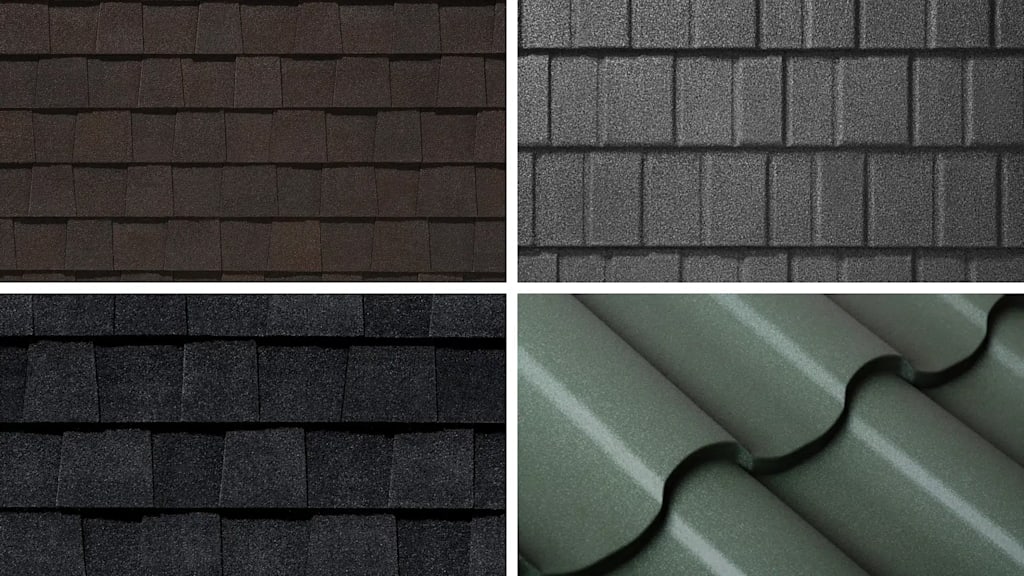
Material choice is another massive variable impacting long-term value. Basic asphalt shingles serve as a standard, budget-friendly entry point. Conversely, architectural shingles, metal roofing, and specialty systems command a higher upfront cost but offer superior wind resistance, better durability, and a longer lifespan. In regions characterized by extreme weather—like intense heat, high humidity, or severe storm seasons—material choice directly impacts performance. A cheaper shingle might reduce your initial outlay, but premium materials drastically lower long-term maintenance costs.
Evaluating Your Financial Strategy
Property owners generally navigate this major capital investment through four primary pathways, each carrying its own set of pros and cons:
- Upfront Cash Payments: This eliminates interest charges entirely and avoids recurring monthly obligations. However, tying up all your liquid cash in a single project can leave your household vulnerable if another emergency happens. If paying in full leaves your savings thin, financing offers a flexible alternative that keeps your emergency fund intact.
- Contractor Financing Programs: Many professional roofing companies partner with specialized third-party lenders to offer tailored home improvement financing. These programs often feature rapid, same-day approval timelines and specialized terms. They are highly convenient, but you must read the fine print carefully, paying close attention to interest rates, promotional windows, and long-term repayment schedules.
- Personal Loans and HELOCs: Unsecured personal loans provide predictable monthly payments without risking home equity, making them an excellent choice for preserving ownership stability. Alternatively, a Home Equity Line of Credit (HELOC) leverages your property's built-up value to secure larger funding pools at significantly lower interest rates.
- Insurance and Credit Agility: If your replacement is driven by sudden storm or hail damage, your insurance policy may cover a substantial portion of the cost, minus your deductible. Financing can then be used strategically to handle out-of-pocket deductibles or pay for material upgrades. Furthermore, home improvement lenders offer programs tailored to a wide spectrum of credit scores, meaning solutions exist even for those with rebuilding credit.
Timing and Peace of Mind
Ultimately, managing a major capital repair requires a clear strategy that balances urgency with financial safety. Protecting your household shouldn't mean compromising your overall financial security. By securing an accurate, itemized estimate and comparing your payment options objectively, you can make an informed decision that preserves both your property value and your peace of mind. Understanding the financial tools at your disposal makes the entire process highly manageable.
About the Creator
ORB Technology Solutions
ORB Technology Solutions helps roofing professionals achieve digital success. Our stories deliver actionable SEO and marketing blueprints to rank higher and land leads.
Enjoyed the story? Support the Creator.
Subscribe for free to receive all their stories in your feed.
Comments
There are no comments for this story
Be the first to respond and start the conversation.