
Navigating HOA Approvals for Paver and Turf Projects in Palm Beach County
A practical guide to architectural reviews, drainage standards, and Florida property laws before upgrading your outdoor space.

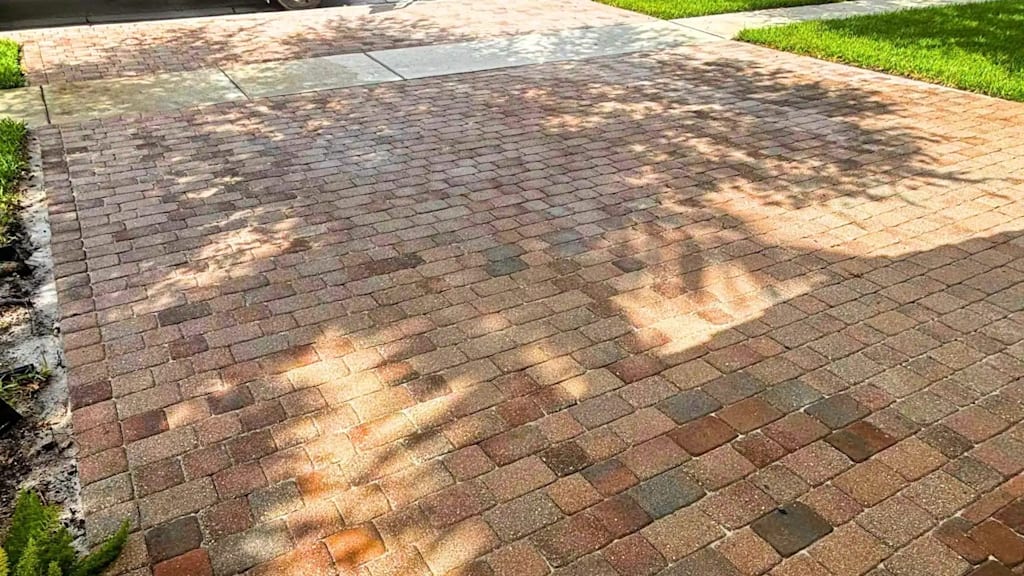
Few home improvements feel as rewarding as upgrading an outdoor living space. Whether you are replacing a cracked concrete driveway with durable pavers or trading scorched grass for clean artificial turf, the visual transformation is immediate. In South Florida, however, the real challenge rarely lies in selecting stone colors or finding an installation crew. The biggest hurdle is navigating the neighborhood homeowners association.
Across master-planned communities in Palm Beach County, exterior changes are governed by deed covenants, architectural review boards, and environmental standards. When homeowners treat the process as an afterthought, projects stall. Materials sit untouched, installation dates get bumped, and frustration mounts. Understanding how associations evaluate these requests—and where state law sets boundaries—is the most reliable way to keep your project on schedule.
The Scope of Association Review
Most community declarations require formal written approval before altering any exterior surface visible from common areas or neighboring lots. Architectural committees generally focus on three core areas:
Color palettes and patterns: An association may mandate neutral earth tones even if a darker border looks sharp. Some boards permit standard layouts but restrict intricate herringbone designs.
Dimensions and footprints: Expanding a patio or widening a driveway changes the permeable space on a lot. Many covenants state that a driveway cannot exceed the exterior width of the garage.
Turf specifications: Boards maintain standards regarding pile height, blade color variation, infill materials, and edge containment.
Ordering materials before securing written sign-off creates financial risk. If a committee rejects your selection after delivery, restocking fees and redesigns add up quickly.
Understanding Florida Law and Board Limits
Many homeowners assume architectural committees hold unlimited authority. In reality, Florida statutes establish clear guardrails to prevent arbitrary board overreach.
Under Florida Statutes Section 720.3035, an association’s authority to review an exterior modification must be firmly grounded in its recorded covenants. A committee cannot invent subjective rules if those criteria do not exist in governing documents. Furthermore, state law forbids an association from making a municipal building permit a prerequisite for reviewing an architectural application.
State protections also extend to artificial turf. Under Florida Statutes Section 720.3045, associations cannot prohibit synthetic turf installations that are not visible from the parcel's frontage, an adjacent parcel, an adjacent common area, or a community golf course. This gives private, fenced backyards clear statutory protection. Front yards remain subject to community design guidelines.
The Hydrology Factor: Why Water Dictates Decisions
Board oversight is not driven solely by aesthetics. In South Florida, drainage is a serious concern. The region receives between 40 and 60 inches of rainfall annually, often arriving in sudden downpours.
Replacing soil with pavers or synthetic surfaces alters how water absorbs into the ground. Without a properly graded aggregate sub-base, heavy rain can channel runoff toward a neighbor’s foundation or pool along sidewalks. When a board requests grading details, they are protecting the neighborhood from drainage disputes and overloaded swales.
Preparing an Application That Gets Approved
Because most committees meet once a month, an incomplete submittal package can delay work by several weeks. A clean submission should include:
The current application form: Obtain the newest version directly from property management.
A scaled lot survey: Highlight the proposed layout, property lines, setbacks, and dimensions.
Product specifications: Attach manufacturer cut sheets detailing material thickness or drainage permeability.
Physical samples: Provide stone swatches or turf samples for evaluation in sunlight.
Grading details: Include notes explaining how stormwater runoff will disperse safely.
Contractor credentials: Include verified copies of active liability insurance, workers' compensation coverage, and licensing.
Once approval is granted, ensure the crew adheres strictly to approved plans. Approaching the review process with thorough documentation, verified measurements, and an understanding of state regulations turns a stressful hurdle into a predictable milestone.
About the Creator
ORB Tree Service Marketing
ORB Tree Service Marketing provides SEO and local search strategies for the tree care and roofing industries. Follow us for insights on search optimization and lead generation for home services.
Enjoyed the story? Support the Creator.
Subscribe for free to receive all their stories in your feed.
Comments
There are no comments for this story
Be the first to respond and start the conversation.