
How to Remove Pilling from Clothes Easily
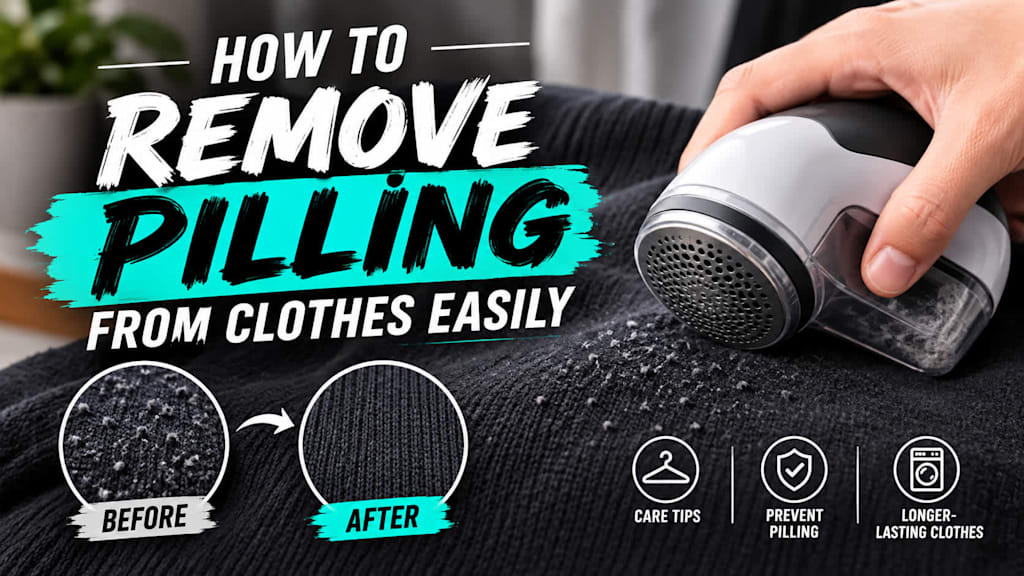
Find out How to Remove Pilling from Clothes Easily and keep favorite garments smooth with safe, quick methods for every fabric type.

A Practical Guide to Removing Pilling from Clothes
Learn How to Remove Pilling from Clothes Easily with simple tools and proven fabric-care tips that refresh sweaters, shirts, and more. Clothing is an essential part of our everyday lives, but even our favorite garments can lose their fresh, polished appearance over time. One common problem that affects everything from cozy sweaters to everyday T-shirts is fabric pilling. Those tiny, unwanted balls of fiber can make new clothes look old, worn, and less attractive.
The good news is that removing pilling from clothes is easier than you might think. With the right tools, simple techniques, and a few preventive habits, you can restore your garments and keep them looking their best for longer.
In this guide, we'll explore what causes fabric pilling, how to remove it safely, and practical ways to prevent it from returning.
What Is Fabric Pilling?
Fabric pilling occurs when small balls of tangled fibers form on the surface of clothing. These tiny clusters, commonly called pills, develop when loose fibers rub against one another or against other surfaces.
Pilling is particularly common in areas that experience frequent friction, such as:
Under the arms of shirts and sweaters
Around the sides of clothing
Under backpack or handbag straps
Along the sleeves and cuffs
Between the thighs of pants
Around the waistband of leggings
Although pilling can make clothes look worn, it doesn't necessarily mean the garment is damaged beyond repair. In many cases, removing the pills can significantly improve its appearance.
What Causes Clothes to Pill?
Understanding the causes of fabric pilling can help you prevent it from happening again.
1. Friction During Everyday Wear
The most common cause of pilling is friction. When fabric repeatedly rubs against another surface, loose fibers can become tangled and form small balls.
Activities such as walking, carrying a backpack, sitting at a desk, or layering clothes can contribute to pilling.
2. Washing and Drying
Washing machines create friction as garments move around during the wash cycle. When clothes are washed together, rough fabrics, zippers, and buttons can increase abrasion.
Tumble drying can also contribute to fiber damage and pilling, especially when garments are exposed to excessive heat.
3. Fabric Composition
Some fabrics are more prone to pilling than others.
Common examples include:
Polyester and polyester blends
Acrylic sweaters
Fleece garments
Wool and wool-blend clothing
Cotton-polyester blends
The likelihood of pilling depends on the fiber type, yarn construction, fabric structure, and finishing process. Even high-quality clothing can develop pills with regular use.
6 Easy Ways to Remove Pilling from Clothes
You don't need expensive equipment to remove fabric pills. Several simple methods can help restore your garments.
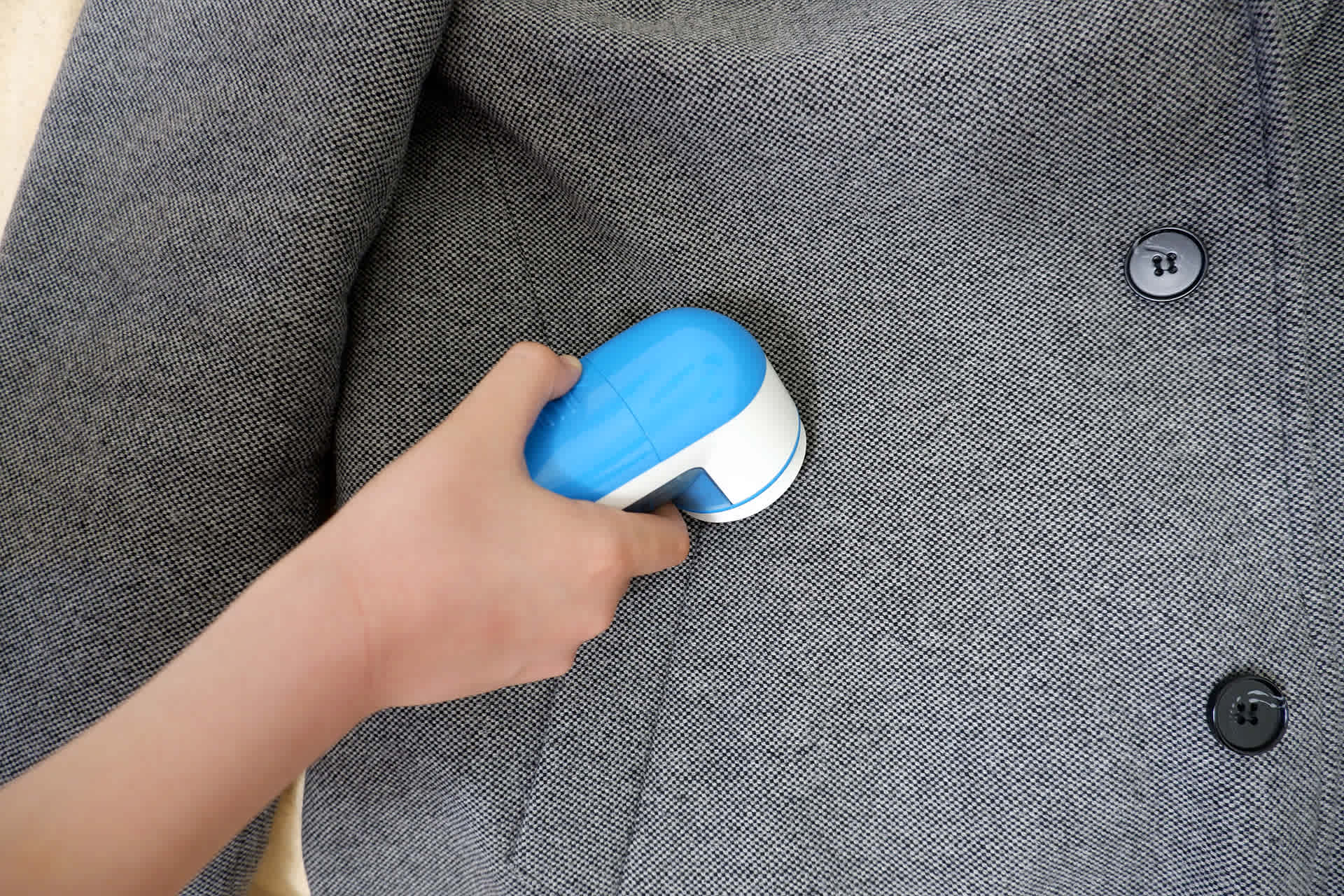
1. Use a Fabric Shaver
A fabric shaver is one of the easiest and most effective tools for removing pilling.
It uses rotating blades beneath a protective cover to trim away loose fibers without cutting the fabric when used correctly.
How to use a fabric shaver:
Lay the garment flat on a clean, smooth surface.
Make sure the fabric is dry and wrinkle-free.
Gently move the fabric shaver across the affected area.
Use light pressure and avoid repeatedly shaving the same spot.
Remove collected fibers from the device when necessary.
Fabric shavers work particularly well on sweaters, sweatshirts, fleece, and everyday clothing.
Tip: Always test the shaver on a small, inconspicuous area before treating the entire garment.
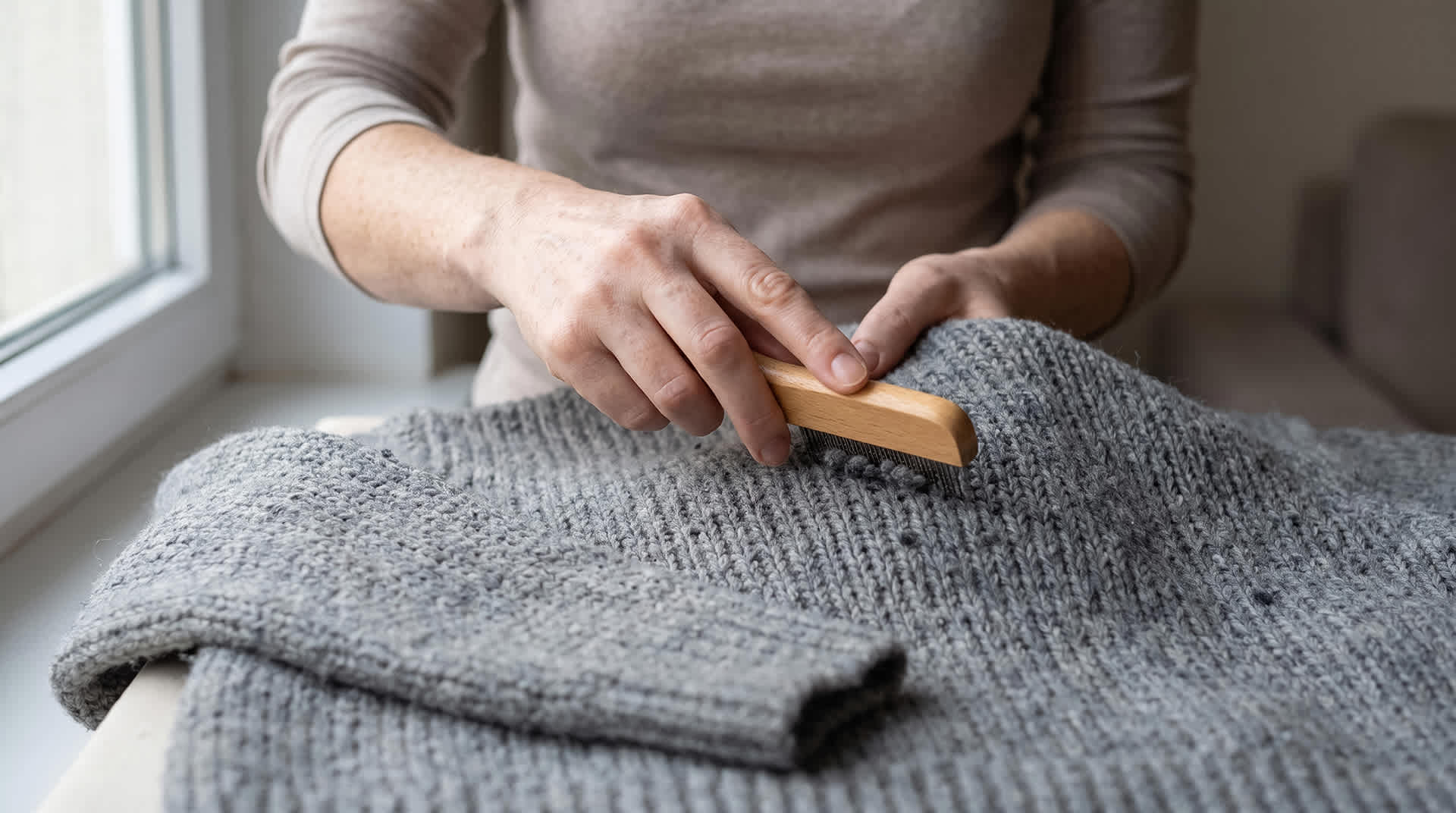
2. Try a Sweater Comb
A sweater comb is a simple, manual tool designed to remove pills from knitted fabrics.
Unlike electric fabric shavers, sweater combs give you greater control over the amount of pressure applied.
How to use it:
Place the garment on a flat surface.
Hold the fabric gently to keep it stable.
Move the comb lightly across the pilled area.
Remove the loosened fibers as you work.
Sweater combs are especially useful for wool sweaters, knitted garments, and delicate fabrics that require a gentle touch.
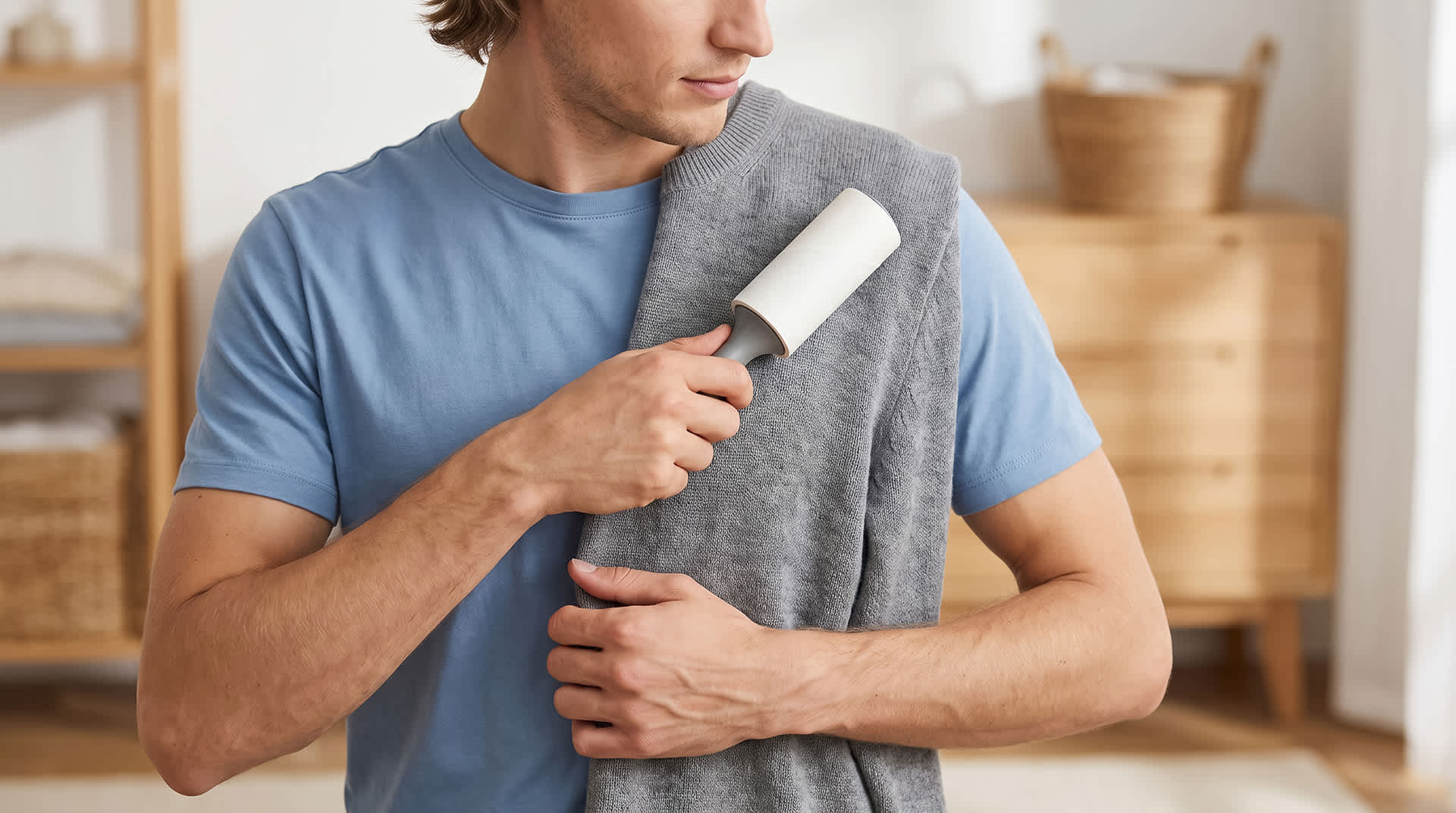
3. Use a Lint Roller
A lint roller is an excellent option for removing loose fibers, fuzz, and surface debris.
However, it is important to understand that a lint roller generally won't remove firmly attached fabric pills.
How to use it:
Lay the garment flat.
Roll the lint roller over the affected area.
Replace the adhesive sheet when it becomes full.
Repeat until the loose fibers are removed.
This method works best for light fuzz and loose fibers rather than stubborn pilling.
4. Carefully Use Fabric Scissors
For garments with only a few noticeable pills, small fabric scissors can be a practical solution.
How to remove pills safely:
Lay the garment flat.
Gently lift the pill away from the fabric surface.
Carefully snip the pill using small, sharp scissors.
Avoid cutting too close to the garment itself.
This technique works well for isolated pills on sweaters, shirts, and other clothing.
Important: Never pull pills off by hand. Pulling can damage the fabric and create additional loose fibers.
5. Use a Safety Razor With Caution
A clean, sharp safety razor can remove pilling from some sturdy, tightly woven or knitted fabrics.
However, this method requires extra care because a razor can easily cut or snag the garment.
How to use it:
Lay the garment flat and smooth.
Hold the fabric firmly without stretching it.
Gently glide the razor over the surface using very light pressure.
Remove the loose fibers as you work.
Avoid using this method on delicate knits, loose weaves, lace, or thin fabrics. A fabric shaver is generally the safer choice.
6. Use a Soft Clothing Brush
A soft clothing brush can help remove loose fibers and surface fuzz from garments.
It is particularly useful for maintaining coats, wool-blend clothing, and other structured garments.
Brush gently in one direction, following the fabric's natural texture.
A clothing brush may not remove firmly attached pills, but it can help keep garments looking cleaner and better maintained.
How to Remove Pilling From Different Types of Clothing
Different fabrics require different approaches. Choosing the right method helps prevent accidental damage.
Clothing typeRecommended methodCotton T-shirtsFabric shaverPolyester hoodiesFabric shaverWool sweatersSweater combFleece jacketsFabric shaverLeggingsFabric shaver with light pressureDelicate knitwearSweater comb or careful manual removalCoatsSoft clothing brushGraphic T-shirtsGentle fabric shaver, avoiding printed areas
For graphic T-shirts and printed clothing, take extra care around the design. Avoid shaving directly over raised prints, embroidery, or decorative details.
How to Prevent Clothes From Pilling
Removing pills is helpful, but preventing them from forming in the first place is even better.
Here are some simple habits that can help keep your clothes looking newer for longer.
1. Turn Clothes Inside Out Before Washing
Turning garments inside out reduces friction on the outer surface during washing.
This is particularly helpful for graphic T-shirts, hoodies, leggings, and other frequently worn clothing.
2. Separate Clothes by Fabric Type
Avoid washing delicate garments alongside rough fabrics such as denim, towels, or clothing with exposed zippers.
Separating laundry by fabric type can reduce unnecessary abrasion.
3. Use a Gentle Wash Cycle
A gentle or delicate wash cycle reduces agitation and can help protect clothing fibers.
Follow the care label instructions and use a suitable detergent.
4. Avoid Overloading the Washing Machine
Overloading prevents garments from moving freely and can increase friction between fabrics.
Wash clothes in appropriately sized loads to help protect their texture and construction.
5. Air-Dry When Possible
Air-drying can reduce the heat and mechanical friction associated with tumble drying.
For garments that are suitable for air-drying, lay them flat or hang them according to their care instructions.
6. Choose Quality Fabrics
When shopping for new clothing, consider the fabric composition, construction, and care requirements.
Well-constructed garments with suitable yarns and finishes may resist pilling better, although no fabric is completely immune to it.
Investing in versatile, well-made clothing can help you build a wardrobe that stays comfortable and stylish over time.
Common Mistakes to Avoid When Removing Pilling
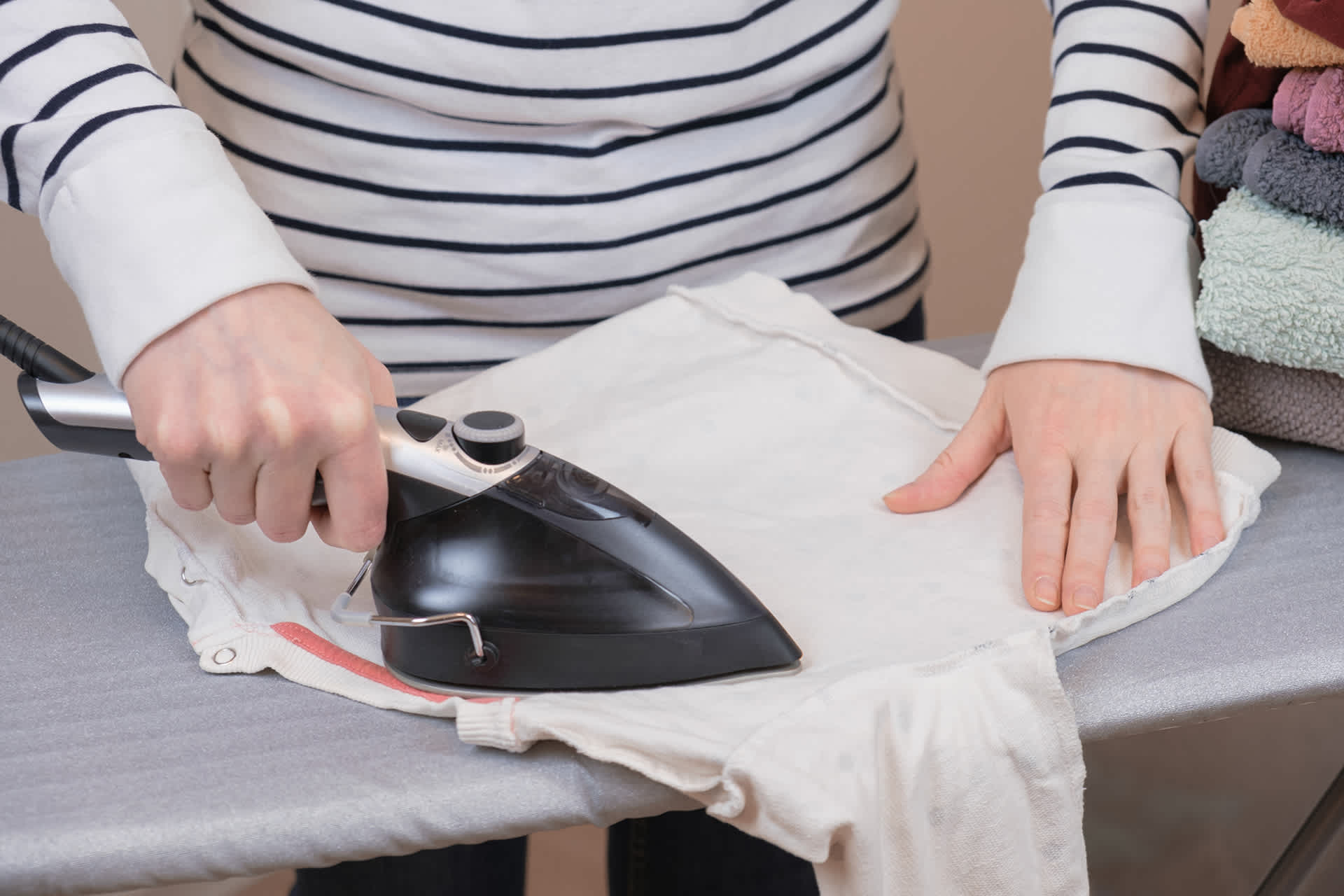
Removing fabric pills is simple, but a few mistakes can make the problem worse.
Pulling pills by hand: This can loosen additional fibers and damage the garment.
Using excessive pressure: Pressing too hard with a fabric shaver or razor can cut the fabric.
Shaving wet clothing: Wet fibers can be more difficult to handle safely. Always follow the tool's instructions.
Ignoring care labels: Some delicate fabrics require specialized cleaning and maintenance.
Using rough tools on delicate garments: A harsh brush or razor can cause snags and holes.
Removing pills too frequently: Excessive shaving can gradually thin the fabric.
The goal is to remove unwanted pills while preserving the original fabric.
Conclusion
Fabric pilling is a common clothing problem, but it doesn't mean you need to replace your favorite garments. With simple tools such as fabric shavers, sweater combs, and clothing brushes, you can easily restore the appearance of many pilled clothes.
The best approach is to choose a removal method that suits the fabric, work gently, and adopt better laundry habits to prevent future pilling.
By taking a little extra care of your wardrobe, you can keep your favorite T-shirts, hoodies, sweaters, and everyday outfits looking fresh, comfortable, and stylish for longer.
Frequently Asked Questions (FAQ)
1. What is the easiest way to remove pilling from clothes?
A fabric shaver is generally the easiest and most effective option for removing pills from many everyday garments. It quickly trims unwanted fibers while helping preserve the fabric when used correctly.
2. Can I remove fabric pilling without a fabric shaver?
Yes. You can use a sweater comb, small fabric scissors, or a soft clothing brush. A lint roller can also help remove loose fibers, although it may not remove firmly attached pills.
3. Why do my clothes pill after washing?
Clothes can pill after washing because friction and agitation loosen fibers, allowing them to tangle into small balls. Washing garments inside out, separating fabrics, and using gentle cycles can help reduce this problem.
4. Does fabric pilling mean my clothes are poor quality?
Not necessarily. Pilling can occur in both inexpensive and premium clothing. Fabric composition, yarn construction, friction, and garment care all influence how easily a garment pills.
5. Can I use a razor to remove pilling from clothes?
Yes, but it requires caution. A razor may work on some sturdy fabrics, but it can damage delicate garments. A fabric shaver or sweater comb is generally a safer option.
6. How do I stop my sweaters from pilling?
Wash sweaters according to their care labels, use gentle cycles when appropriate, avoid rough fabrics during washing, and air-dry when recommended. A sweater comb can help remove small pills as they appear.
7. Can pilling be permanently prevented?
No. Pilling is a natural result of fiber friction and can occur with regular wear. However, proper washing, careful storage, and gentle garment maintenance can significantly reduce its occurrence.
8. Is it safe to use a fabric shaver on graphic T-shirts?
It can be safe when used carefully, but avoid shaving directly over printed designs, embroidery, or decorative details. Test the tool on a small area first and use light pressure.
9. Should I remove pilling before or after washing clothes?
It is generally best to remove pilling from clean, dry garments. Washing first helps remove dirt and loose debris, while removing pills afterward allows you to see which fibers remain attached.
10. How often should I remove pilling from clothes?
Remove pills whenever they become noticeable rather than waiting until they cover a large area. Occasional, gentle maintenance can help preserve your clothing's appearance without excessive wear.
About the Creator
Mesut OK
Mesut Ok is a writer, entrepreneur, and digital creator passionate about fashion, e-commerce, AI, and branding. He shares practical insights, creative ideas, and business strategies to help readers grow, create, and succeed online.
Enjoyed the story? Support the Creator.
Subscribe for free to receive all their stories in your feed. You could also become a paid subscriber, letting them know you appreciate their work.
Comments
There are no comments for this story
Be the first to respond and start the conversation.