
How to Prepare Your Roof for Winter: 7 Essential Steps to Protect Your Home
Learn how to winterize your roof, prevent costly damage from snow and ice, and protect your home from leaks, freezing temperatures, and harsh winter weather.
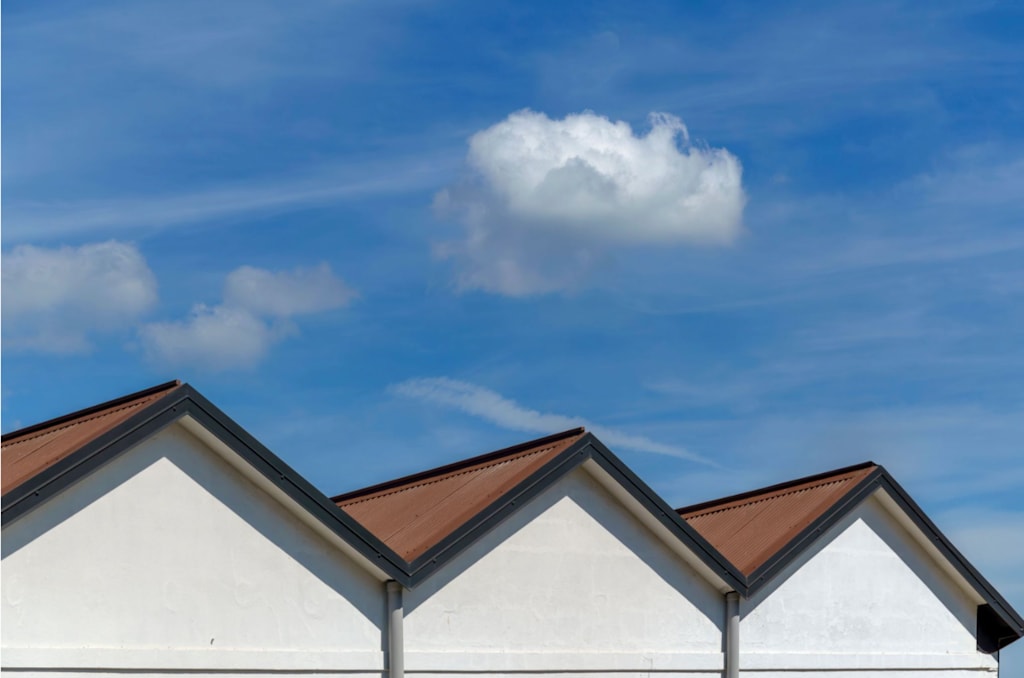
As temperatures drop, homeowners often focus on preparing their heating systems, sealing windows, and protecting outdoor plumbing. But the roof deserves just as much attention. Months of rain, freezing temperatures, strong winds, and potentially heavy snow can expose small roofing problems that might otherwise go unnoticed until water enters the home.
Preparing a roof for winter is not necessarily about undertaking a major renovation. In many cases, a thorough inspection, proper drainage, and a few targeted repairs can help prevent expensive surprises during the coldest months.
Cody Purtle, owner of Silver Ridge Roofing & Construction, emphasizes the importance of addressing vulnerabilities before winter weather arrives.
“Winter preparation starts with understanding the condition of your roof before the weather turns. A small issue with flashing, shingles, or drainage can become much more difficult to address once temperatures fall and bad weather sets in,” Purtle says.
Here are seven essential steps homeowners can take to get their roofs ready for winter.
1. Schedule a Roof Inspection Before Temperatures Drop
Start by examining the roof for visible signs of damage. Missing, cracked, curling, or loose shingles can leave vulnerable areas exposed to wind-driven rain and moisture. On metal roofs, look for loose fasteners, damaged panels, deteriorated sealants, and signs of corrosion.

Pay particular attention to roof valleys, chimneys, skylights, plumbing vents, and other places where roofing materials meet different surfaces. These transitions rely on properly installed flashing to direct water away from vulnerable joints. The American Wood Council's guidance on moisture mitigation notes that flashing and other roof components work together to protect the structure from water intrusion.
Homeowners should also inspect ceilings and accessible attic spaces for water stains, damp insulation, musty odors, or discolored wood. These signs may indicate an existing leak or moisture problem.
John Bacon, owner of Bacon Roofing, recommends looking beyond the obvious signs of damage.
“A roof can look perfectly fine from the driveway and still have vulnerable areas around penetrations, valleys, and edges. A closer inspection helps identify the places where water is most likely to get in before winter weather puts them to the test,” Bacon says.
Because walking on a roof can be dangerous and may damage certain materials, homeowners should leave close inspections and repairs to qualified roofing professionals.
2. Clean Gutters and Check Downspouts
Gutters play an important role in protecting both the roof and the home's exterior. During autumn, leaves, twigs, and other debris can accumulate and obstruct the flow of rainwater.
When gutters become clogged, water may overflow onto fascia boards, siding, foundations, or walkways. In freezing conditions, standing water can also contribute to ice buildup along the roof edge.
Clear gutters before winter and check that downspouts discharge water away from the home's foundation. Look for loose brackets, sagging sections, visible leaks, and disconnected joints.
In regions where temperatures regularly fall below freezing, keeping drainage paths clear is particularly important. Michigan's roof ice-dam prevention guidance also recommends removing debris from gutters and downspouts to help melting snow drain away.
3. Check Flashing, Seals, and Roof Penetrations
Flashing protects the areas where the roof meets chimneys, walls, skylights, vents, and other penetrations. These locations can be especially vulnerable because water must be directed around an interruption in the roof surface.
Before winter, look for visibly lifted flashing, cracked sealant, loose components, or gaps around roof penetrations. However, applying sealant over every suspicious area is not a reliable substitute for identifying the underlying problem. Some issues require replacing damaged flashing or correcting an installation detail.
A professional inspection can help distinguish minor maintenance needs from repairs that should be completed before the roof is exposed to prolonged wet or freezing weather.
4. Inspect Attic Insulation and Ventilation
A roof's winter performance depends on more than the exterior covering. Insulation, air sealing, and ventilation in the attic can influence moisture levels and the likelihood of ice dams.

Ice dams can develop when heat escaping from the home warms parts of the roof, causing snow to melt. Water then flows toward colder eaves, where it refreezes. As ice accumulates, additional meltwater can become trapped and potentially work its way beneath roofing materials.
The U.S. Department of Energy's guidance explains that adequate insulation, air sealing, and appropriate attic ventilation help reduce the conditions that contribute to ice dams.
Check whether attic insulation is evenly distributed and whether ventilation openings are unobstructed. Bathroom fans and clothes dryers should vent outdoors rather than release moist air into the attic. Signs of condensation, mold, or wet insulation deserve further investigation.
Kevin Miller, an independent roofing contractor from California offers this practical reminder:
“Replacing a few shingles won't solve every winter roofing problem. If warm, moist air is escaping into the attic or the ventilation system isn't working properly, the underlying cause needs attention too. Looking at the whole roof system is what helps prevent recurring problems,” says Miller.
5. Remove Overhanging Branches and Nearby Debris
Trees can threaten a roof during winter storms. Dead or weakened branches may break under the weight of ice or snow, while branches rubbing against roofing materials can gradually wear away protective surfaces.
Trim branches that could strike the roof, but use a qualified tree-care professional for large limbs or work close to power lines. Avoid attempting dangerous pruning from a ladder or roof.
Also clear debris from accessible roof valleys and other areas where leaves or twigs tend to collect. Organic material can retain moisture and obstruct drainage. Homeowners should never climb onto a wet, icy, or steep roof to remove it themselves.
6. Address Small Repairs Before They Become Major Problems
Winter conditions can make repairs more difficult and urgent. A loose shingle, deteriorated flashing joint, or minor leak may allow additional moisture into the building during periods of rain, freezing temperatures, or thawing snow.
If an inspection reveals damage, ask a qualified roofer to explain which repairs are necessary and which can safely wait. The appropriate approach depends on the roofing material, the extent of deterioration, the local climate, and the manufacturer's installation requirements.
Do not assume that a roof needs full replacement simply because it is aging. Conversely, repeatedly patching a roof with widespread deterioration may not be the most economical long-term solution. A clear assessment helps homeowners make decisions based on condition rather than guesswork.
7. Prepare for Snow, Ice, and Severe Weather
Homeowners in snowy regions should understand how their roof is expected to handle local snow loads and whether any recurring ice-dam problems need to be addressed. If heavy snow accumulates, consult a qualified professional about safe removal rather than climbing onto the roof or striking ice with tools.
Keep an eye on forecasts and know how to recognize signs of a possible leak, including new ceiling stains, dripping water, or damp attic materials. After severe weather, arrange a professional inspection if you suspect damage.
In warmer regions, winter preparation may focus more on wind-driven rain, strong fronts, temperature swings, and drainage than on snow. The inspection should reflect the conditions the roof is actually likely to face.
A Little Preparation Can Make a Big Difference
Preparing a roof for winter means checking the entire system, from shingles and flashing to gutters, insulation, and ventilation. Fixing small problems early can help homeowners reduce the risk of water intrusion, protect their property's structure, and avoid emergency repairs during unpleasant weather.
The most effective approach is to arrange an inspection before conditions deteriorate, prioritize necessary repairs, and maintain clear drainage paths throughout the season. A roof does not need to be replaced simply because winter is approaching, but it should be ready to perform the job it was designed to do: protect the home in every season.
About the Creator
Dan Woodland
Dan is a freelance writer and contributor who explores a wide range of topics, from business, entrepreneurship, technology, design, marketing, and finance to emerging trends, culture, and everyday ideas that spark curiosity.
Enjoyed the story? Support the Creator.
Subscribe for free to receive all their stories in your feed.
Comments
There are no comments for this story
Be the first to respond and start the conversation.