
How to Layer Jackets Effectively During Winter
Effectively During Winter

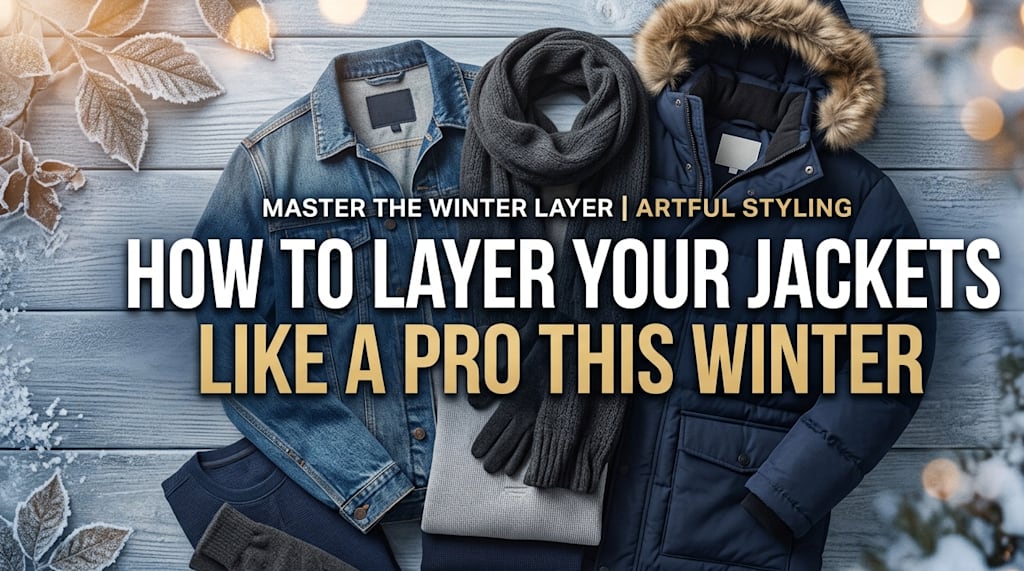
Winter clothing is often associated with thick coats and heavy outerwear, but staying warm in cold weather involves more than simply wearing the largest jacket available. Effective layering helps regulate body temperature, improves comfort, and allows people to adapt to changing weather conditions throughout the day.
Understanding how different layers work together can make winter dressing both practical and comfortable. Whether facing freezing temperatures, strong winds, or fluctuating indoor and outdoor conditions, a well-planned layering system can provide better protection than relying on a single heavy coat.
The concept of layering has become increasingly important in both outdoor activities and everyday winter fashion because it focuses on heat retention, moisture control, and weather protection.
Why Layering Matters in Cold Weather
The human body continuously produces heat. The purpose of layering is to trap that heat while preventing moisture from accumulating near the skin. When moisture becomes trapped, it can make a person feel colder even when wearing thick clothing.
A layered clothing system creates multiple barriers that help retain warmth while allowing excess heat and moisture to escape when necessary. This balance is particularly important during winter because weather conditions can change throughout the day.
Layering also provides flexibility. Instead of relying on a single garment, individuals can add or remove layers as temperatures fluctuate.
Understanding the Three-Layer System
Many winter clothing experts recommend a three-layer approach because it addresses the main challenges of cold-weather comfort.
The first layer sits closest to the skin and focuses on moisture management. Materials such as merino wool and synthetic performance fabrics are often preferred because they help move moisture away from the body.
The second layer provides insulation. This layer helps trap warm air generated by the body and is largely responsible for maintaining warmth. Sweaters, fleece garments, and lightweight jackets commonly serve this purpose.
The third layer acts as protection from external weather conditions. Wind, rain, and snow can quickly reduce the effectiveness of inner layers if there is no protective outer shell. Waterproof or wind-resistant jackets are commonly used as the outer layer.
Together, these layers create a system that supports both warmth and comfort during winter conditions.
The Growing Popularity of Layered Jacket Combinations
In recent years, layering multiple jackets has become increasingly common. Instead of wearing a single bulky coat, many people combine lighter jackets with heavier outerwear to create additional insulation and style versatility.
One frequently used combination involves wearing a lightweight denim jacket beneath a larger winter coat. This approach provides extra warmth while allowing greater flexibility when moving between indoor and outdoor environments.
The idea is not necessarily about fashion alone. Layered jacket combinations can help distribute insulation more effectively and make temperature regulation easier throughout the day.
Some discussions about winter layering, including those featured by Jackets junction, highlight how combining different jacket types can create both practical and adaptable cold-weather outfits.
Choosing the Right Fit for Layering
Successful layering depends heavily on proper fit. Clothing that is too tight can compress insulating layers and reduce their ability to trap warm air.
The outermost layer should provide enough room to accommodate additional clothing underneath without restricting movement. At the same time, excessively oversized garments may allow cold air to enter and reduce overall efficiency.
Finding the right balance between comfort and insulation is one of the most important aspects of winter layering.
A properly fitted outer coat should allow comfortable movement while maintaining enough space for sweaters, fleeces, or lightweight jackets beneath it.
Layering for Different Winter Conditions
Not all winter weather is the same. Mild cold, heavy snowfall, freezing rain, and extreme sub-zero temperatures each create different clothing requirements.
During moderately cold conditions, a base layer, sweater, and medium-weight jacket may provide sufficient protection. In harsher environments, additional insulating layers and more protective outer shells become necessary.
Wind can significantly increase heat loss, making wind-resistant outerwear especially valuable. Similarly, wet snow and freezing rain require materials that resist moisture penetration.
Understanding the local climate helps individuals choose layering systems that match their specific winter challenges.
Winter Fashion and Cultural Outerwear
Layering is not limited to purely functional clothing. Cultural and decorative garments can also become part of a winter wardrobe when used appropriately.
For example, a Chinese New Year jacket is often recognized for its distinctive embroidery, vibrant colors, and traditional design elements. During colder months, such garments can be incorporated into layered outfits by pairing them with insulating inner layers and weather-resistant outerwear.
This approach allows individuals to combine cultural expression with practical cold-weather dressing.
As winter fashion continues evolving, many people are exploring ways to incorporate traditional garments into modern layering systems.
Insulation Materials and Their Role
One of the most important considerations when selecting winter outerwear is insulation type.
Down insulation is widely known for its high warmth-to-weight ratio. It effectively traps heat while remaining relatively lightweight. However, down can lose some insulating ability when exposed to moisture.
Synthetic insulation has become increasingly popular because it generally maintains performance better in wet conditions. Although it may be slightly heavier, it often performs well in snowy or rainy winter environments.
The choice between these materials depends on factors such as climate, activity level, and personal preference.
Both options continue to play significant roles in modern winter outerwear design.
Wind Protection and Weather Resistance
Cold temperatures alone do not always create the greatest challenge during winter. Wind exposure can dramatically increase heat loss and make conditions feel much colder than the actual temperature.
Many winter jackets incorporate wind-resistant fabrics, storm flaps, adjustable cuffs, and protective hoods to reduce exposure to cold air.
Water-resistant and waterproof materials provide additional protection by preventing moisture from reaching insulating layers.
When evaluating winter outerwear, weather resistance is often just as important as insulation.
Common Layering Mistakes
One of the most common mistakes is wearing multiple heavy jackets simultaneously. While this may seem like a way to increase warmth, excessive bulk can compress insulating materials and reduce effectiveness.
Another mistake is relying heavily on cotton garments as base layers. Cotton tends to absorb and retain moisture, which can contribute to discomfort in cold conditions.
Ignoring fit can also limit the benefits of layering. Clothing that restricts movement or compresses insulation often performs poorly despite appearing warm.
Understanding these common issues can help individuals create more effective winter clothing systems.
Conclusion
Layering vremains one of the most effective strategies for staying comfortable during winter. Rather than depending on a single heavy coat, a structured layering system helps manage moisture, retain heat, and provide protection from changing weather conditions.
From understanding insulation materials to selecting properly fitted outerwear, each layer contributes to overall comfort and performance. Discussions about winter clothing, including those found through resources such as Jackets junction, often emphasize the importance of combining practicality with adaptability.
Whether incorporating everyday garments or specialized pieces such as a Chinese New Year jacket, thoughtful layering allows individuals to remain comfortable, protected, and prepared throughout the winter season.
About the Creator
PostSphere
🌟 Helping businesses grow through SEO, guest posting, and expert link building.
Let your content speak on the right platforms.
Enjoyed the story? Support the Creator.
Subscribe for free to receive all their stories in your feed.
Comments
There are no comments for this story
Be the first to respond and start the conversation.