
How to Get Rid of Ants
Proven natural remedies, commercial treatments, and step-by-step prevention strategies to permanently eliminate ant colonies and pest-proof your home.

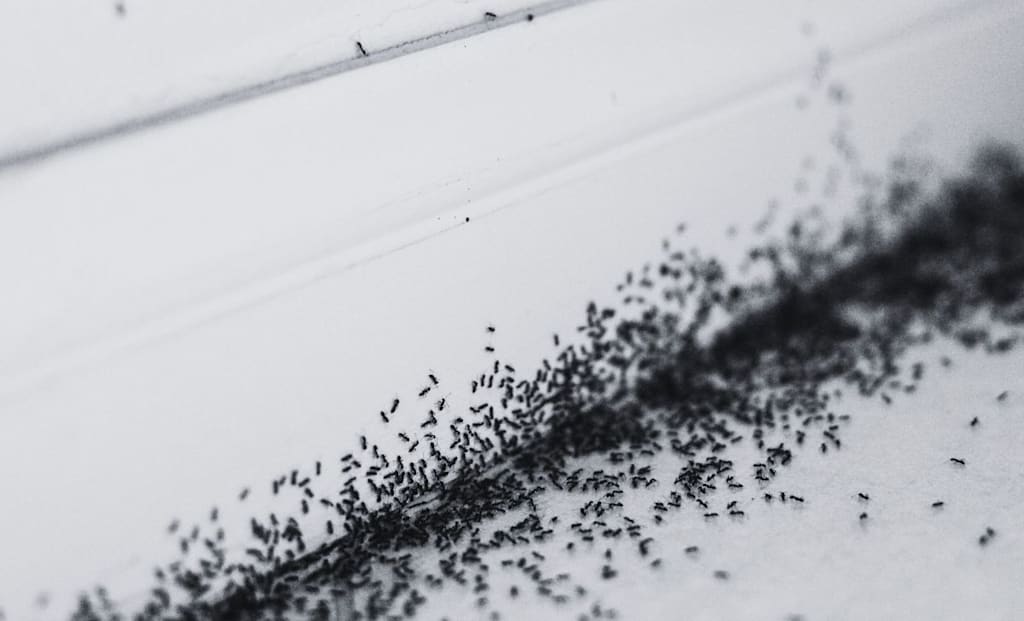
If you have noticed a steady line of ants marching across your kitchen counter, you are not alone. Ants are among the most common household pests worldwide. Once a few "scout ants" find a reliable food or water source in your home, they leave behind an invisible pheromone trail that signals the rest of the colony to follow.
Fortunately, you do not have to live with these uninvited guests. Whether you are dealing with tiny sugar ants, odorous house ants, or destructive carpenter ants, getting rid of them requires a mix of immediate action and long-term prevention.
Here is a complete, step-by-step guide on how to get rid of ants quickly, safely, and permanently.
Why Do Ants Invade Your Home?
Before you can eliminate an ant problem, you need to understand why they are there in the first place. Ants enter homes searching for three basic survival needs:
Food: Ants are notoriously attracted to sugar, grease, and protein. A single drop of honey or a few breadcrumbs can attract an entire colony.
Water: Leaky pipes, damp bathmats, and standing water in sinks provide the moisture ants need to survive, especially during hot, dry weather.
Shelter: Extreme weather conditions, such as heavy rain or intense heat, often drive ants indoors seeking refuge.
Step 1: Destroy the Pheromone Trail
Killing the ants you can see will not solve the problem. As long as the pheromone trail remains, new ants will simply follow the exact same path. You must disrupt their chemical highway.
Vinegar and Water Solution: Mix equal parts white vinegar and water in a spray bottle. Spray the mixture directly onto the ant trail and wipe it away with a paper towel. The strong scent of vinegar neutralizes the pheromones.
Lemon Juice: If you dislike the smell of vinegar, a mixture of lemon juice and water works just as effectively to destroy scent trails.
Dish Soap and Water: A simple solution of soapy water not only removes the pheromone trail but also kills ants on contact by suffocating them.
Step 2: Natural Home Remedies for Ant Control
If you prefer to avoid harsh chemicals especially if you have children or pets in the house several highly effective natural remedies can eliminate an ant infestation.
Food-Grade Diatomaceous Earth (DE)
Diatomaceous earth is a fine powder made from the crushed fossils of marine phytoplankton. While it feels soft to human hands, it is microscopically sharp. When ants walk across it, the powder cuts their exoskeletons and absorbs their moisture, causing them to dry out and perish. Sprinkle a thin layer of DE along baseboards, window sills, and known entry points.
Peppermint Essential Oil
Ants despise the strong scent of peppermint. Mix 10 to 15 drops of high-quality peppermint essential oil with a cup of water in a spray bottle. Spray this mixture around entry ways, baseboards, and anywhere you have spotted ant activity.
Cinnamon
Cinnamon contains compounds that are toxic to ants and acts as a powerful natural repellent. You can sprinkle ground cinnamon near entry points or use cinnamon essential oil mixed with water as a deterrent spray.
Step 3: Commercial Solutions for Stubborn Infestations
When natural remedies are not enough, or if you are dealing with a massive colony hidden deep within your walls, it is time to use commercial treatments.
Liquid Ant Baits
Ant baits are arguably the most effective way to wipe out an entire colony. The bait consists of a slow-acting poison mixed with a sweet or greasy attractant. The worker ants eat the bait and carry it back to the nest to feed the rest of the colony, including the queen.
Patience is key: You will initially see more ants swarming the bait. Do not kill them. Let them take the poison back to the nest. Within a few days, the entire colony will collapse.
Boric Acid Traps
Boric acid is a highly effective stomach poison for ants. You can purchase pre-made boric acid traps or make your own by mixing one part boric acid with three parts powdered sugar. Place the mixture in shallow containers near ant trails. Keep this away from pets and small children.
Step 4: How to Prevent Ants from Coming Back
Eliminating the current infestation is only half the battle. To keep your home pest-free, you must make it completely unappealing to future scout ants.
Store food securely: Transfer pantry staples like sugar, cereal, and flour into airtight plastic or glass containers.
Clean up immediately: Wipe down countertops after every meal, sweep the floors daily, and never leave dirty dishes in the sink overnight.
Take out the trash: Empty your kitchen garbage bin regularly and ensure outdoor trash cans have tight-fitting lids.
Seal entry points: Inspect the perimeter of your home. Use caulk to seal any cracks or crevices around windows, doors, and foundation walls.
Fix moisture issues: Repair leaky faucets, insulate sweating pipes, and ensure your gutters are directing water away from your foundation.
When to Call a Professional Exterminator
While most common household ants can be managed with DIY methods, some situations require professional intervention. If you suspect a carpenter ant infestation identifiable by small piles of sawdust near wooden structures you should call a pest control expert immediately. Carpenter ants excavate wood to build their nests and can cause severe structural damage to your home if left untreated.
Getting rid of ants requires a combination of immediate trail disruption, strategic baiting, and diligent housekeeping. By taking away their food sources and sealing up your home, you can send a clear message to the colony: they are no longer welcome.
About the Creator
Yukesh Rajbanshi
Yukesh Chaudhary is a Nepalese entrepreneur and the founder of Niriv and The Kirib — a digital news platform built for Nepal’s Gen Z. Based in Biratchowk, he leads creative and tech projects that connect culture, content, and community.
Enjoyed the story? Support the Creator.
Subscribe for free to receive all their stories in your feed.
Comments
There are no comments for this story
Be the first to respond and start the conversation.