
How to Get More from the Used Forklifts Market Than Most Buyers Ever Do
Used Forklifts
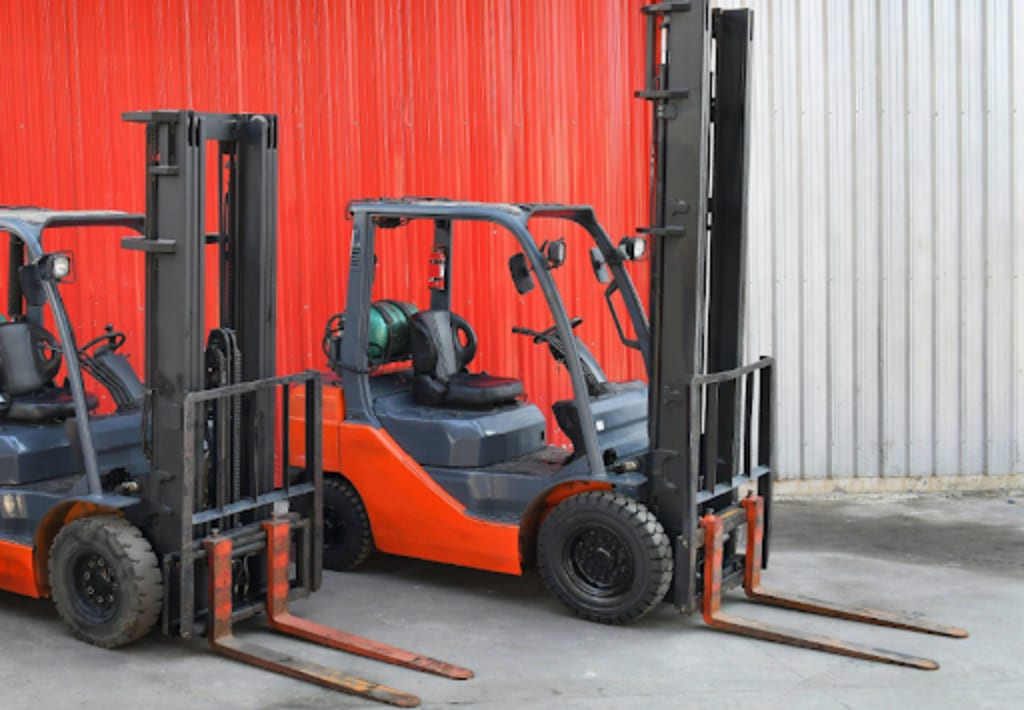
Walk through enough warehouses and you start noticing something. The machines doing the heaviest, most consistent work are rarely the newest ones on the floor. Experienced site managers tend to develop a quiet preference for equipment that has already proven itself under real conditions rather than something fresh off a transport truck with zero hours and an unknown failure pattern. That preference is not nostalgia. It is the result of watching enough new machines disappoint and enough seasoned ones hold up. For anyone genuinely weighing up used forklifts, understanding why that preference exists is a useful place to start.
Hour Meters Lie Without Context
A low-hour reading looks reassuring. It rarely tells the full story. A forklift used exclusively for light indoor work over many years can show a high metre reading and still be in better mechanical shape than a machine with half the hours that spent its working life on rough ground, in coastal salt air, or running double shifts in a facility that skipped service schedules. Hour metres measure time under power. They do not measure stress, load cycles, maintenance quality, or the conditions the machine worked through. Buyers who lead with the metre and follow with nothing else are evaluating the least revealing number on the machine.
Mast Wear Is the Honest Indicator
Most buyers look at tyres, check the forks, and start the engine. Few spend time properly examining the mast, and that is where a used forklift's real history tends to show itself. The mast channels — the vertical rails the carriage travels along — wear differently depending on how the machine was loaded, how often the operator bottomed out the forks, and whether lubrication was kept up. Uneven wear patterns in the channels suggest the machine was regularly overloaded on one side. Scoring or gouging on the inner rail surfaces points to maintenance neglect. A mast that has been quietly abused will not announce itself until it fails mid-lift, which is a poor time to discover the machine's past.
Fleet Disposals Offer a Different Quality Tier
There is a genuine difference between a forklift sold out of a maintained corporate fleet and one sourced from a closing business that deferred every service in its final years. Large logistics operators, national retailers, and equipment rental companies run scheduled maintenance programmes because their own operations depend on it. When those fleets are renewed, the outgoing machines — often mid-life with full service histories — enter the used market in notably better condition than equipment from less disciplined environments. Identifying used forklifts coming out of documented fleet disposals rather than ad hoc private sales is one of the more reliable ways to shift the odds in the buyer's favour.
Battery Age Matters More Than Capacity on Electrics
Electric forklift listings almost always quote battery voltage and capacity. They rarely volunteer the battery's age or its remaining cycle life. A traction battery approaching the end of its serviceable life will still show full voltage on a resting check and still start the machine without hesitation. The degradation shows up under sustained load – shorter run times, slower performance on ramps, more frequent charging. Replacing a traction battery in an electric forklift is a substantial undertaking. Buyers who do not specifically investigate battery condition before purchasing an electric machine sometimes discover that what felt like a straightforward used purchase comes with a significant hidden expense attached.
Tyres Signal How the Machine Was Treated
Tyre condition on a used forklift is not just about tread depth or surface cracking. The wear pattern across the tyre tells a story about how the machine was driven. Flat-spotted cushion tyres on an indoor machine point to an operator habit of hard braking — which usually means the machine was driven faster than it should have been in a confined space. Chunked or torn edges on pneumatic tyres suggest regular work on surfaces rougher than the machine was suited for. Neither is a deal-breaker, but both prompt further questions about what else was pushed beyond its intended limits.
Conclusion
Choosing well from the used forklift market is genuinely possible, but it rewards buyers who know what to look for beyond the obvious checks. Mast condition, battery cycle history on electric machines, tyre wear patterns, and the operational background of the selling fleet all carry more useful information than hour metres and visual presentation alone. For any operator prepared to ask the right questions, used forklifts sourced from reputable dealers or documented fleet disposals represent a sound, evidence-based equipment decision rather than a gamble on unknown history.
About the Creator
Enjoyed the story? Support the Creator.
Subscribe for free to receive all their stories in your feed.
Comments
There are no comments for this story
Be the first to respond and start the conversation.