
How to Find Real Silver at Home (Novice Guide)
Simple at-Home Silver tests (No Experience Required)

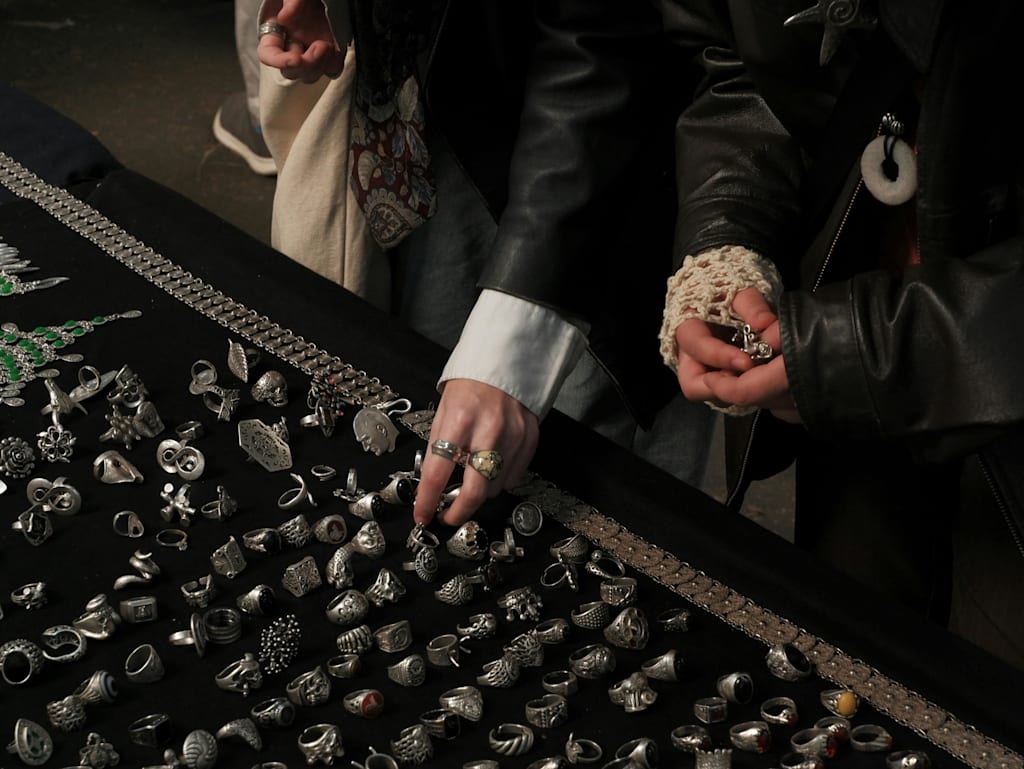
Silver has been a treasure trove, not only due to its beauty, but because of its sustainability, and its practical worth. Silver jewelry, silver coins, silver antiques and silver utensils are all around. But the emergence of counterfeit and silver-plated articles has rendered it all the more difficult to discover what is genuine and what is not.
Wondered whether your silver object is fake or not, then you can stop worrying because you do not have to go to the expert at once. Silver can be tested easily and at home using a few simple and effective methods.
With this beginner-friendly guide, you will be taught practical, simple steps to be able to detect real silver with ease.
What is a Real Silver?
It is necessary to know what is meant by real silver, before it is tested. Silver in its purest form is referred to as fine silver and is very soft and not typically used on its own to make most products. Rather, manufacturers produce sterling silver that has 92.5 percent pure silver and 7.5 percent other metals such as copper to make it stronger and durable.
The majority of authentic silver objects are marked with the number:
- 925
- Sterling
- Sterling Silver
These stamps are useful hints, though not everything that is genuine has signs on it. This is why a physical testing is significant.
Why Test Silver at Home?
Home testing of silver will help you to avoid expensive errors. Be it purchasing jewels, verifying old ones or even intending to resell a product, it is better to know how to determine whether something is real silver.
Fake silver is frequently made to resemble the original, so it is not possible to rely on a mere look at it. With a combination of easy tests, you can easily be able to tell whether an item is probably genuine or not.
7 simple methods of silver testing
1. Magnet Test
Silver does not have magnetism. Hold a powerful magnet near the object.
- When it gets stuck, then this is probably a fake one.
- If it doesn’t → could be real
2. Ice Test
Silver is a great conductor of heat.
Apply an ice cube on the object:
- When it melts rapidly, then probably real silver.
- When it melts gradually, then most likely a fake one.
3. Ring (Sound) Test
Tap the silver object with a coin.
- Actual silver rings in a ringing sound.
- Counterfeit silver is flat or dull.
4. Vinegar Test
Apply a drop of white vinegar on the surface.
- And should it turn a different color, then not true silver.
- No reaction → possibly genuine
5. Bleach Test (Use Carefully)
- Use a small drop of bleach.
- Actual silver will soon go black.
- Fake materials may not react
Caution: Wipe the item, post-testing.
6. Check for Hallmarks
Find little stamps, such as:
- 925
- Sterling
- Silver
These are the good signs of genuineness.
7. Rub Test
Use soft white cloth and wipe the silver.
- When black marks are visible on the cloth, then it is probably real silver.
- In case no mark, then it may be counterfeit.
This is due to the fact that the real silver will oxidize with time leaving a dark residue upon rubbing.
Other Marks of Real Silver
Other than tests, you can see a few natural features of real silver:
- Weight: The real silver is heavier than the fake ones.
- Shine: It is a natural luster--not too shiny.
- Smell: There is no strong metallic odor in real silver.
When your product smells or feels too light, then it may not be genuine.
Best Practices to Be Varying
Novices have a common tendency of basing their reliance on a single test. This may result in wrongful judgments as certain counterfeit materials may pass through one or two tests.
The next problem is a mix up of silver-plated and real silver. These are simply silver-coated on the surface of some other metal and their value is considerably less.
Always test with several tests to get the best results.
Professional help should be sought when
The home tests are quite good but not a hundred percent. You may visit a professional jeweler in case you have a valuable item or are still confused. They are able to carry out sophisticated tests and provide you with a conclusive answer.
This is particularly crucial when you intend to sell or insure your silver.
Summary
You can recognize the presence of real silver at home without having to deal with costly equipment or knowledge. Even beginners can have a rough idea of whether their item is authentic with use of simple techniques such as the magnet test, ice test and sound test.
The trick is to use several methods and be attentive to details such as weight, markings and general appearance. Although these tests do not necessarily substitute professional verification, they offer a good starting point, and can assist you in evading most scams.
After some practice you will be a lot more confident in distinguishing between the real silver and making wiser choices to buy or to sell silver objects.
About the Creator
R.Freya
Poetry is my soul's language, and I wield words like a paintbrush. From heartbreak to hope, I capture emotions and spin them into verse.
Enjoyed the story? Support the Creator.
Subscribe for free to receive all their stories in your feed.
Comments
There are no comments for this story
Be the first to respond and start the conversation.