
How to Choose Safe Personal Care Tools at Home
A practical guide to choosing safe, reliable tools for your daily hygiene routine

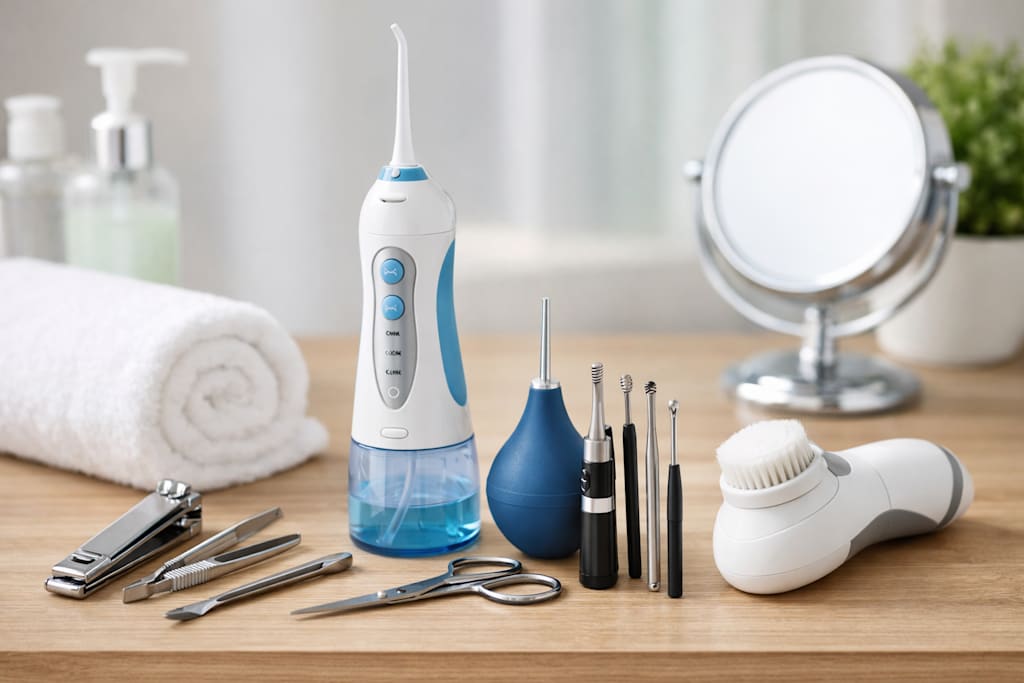
Taking care of yourself at home has never been easier. From grooming to hygiene, more people are moving away from frequent clinic visits and relying on simple tools they can use comfortably in their own space.
But here’s the problem—not all personal care tools are created equal. Choosing the wrong one can lead to discomfort, poor results, or simply a waste of money.
Understanding what makes a tool safe, effective, and worth buying is key.
Why Tool Quality Matters More Than You Think?
Most people focus on convenience or price when buying personal care products. Safety and usability often come second.
That’s a mistake. Low-quality tools can:
- Feel uncomfortable during use
- Break easily or wear out quickly
- Be difficult to clean or maintain
- Lead to inconsistent or unsatisfactory results
A well-designed tool, on the other hand, improves both the experience and the outcome—without adding complexity.
Common Mistakes People Make When Buying Personal Care Tools
Before choosing the right product, it’s important to avoid the common pitfalls:
- Choosing based on price alone: Cheap products often cut corners in materials and design.
- Ignoring ergonomics: If a tool is hard to hold or use, it won’t matter how good it looks.
- Overcomplicated designs: More features don’t always mean better performance. Simplicity usually wins.
- Skipping material checks: Materials should feel durable, safe, and easy to clean.
What to Look for in a Safe Personal Care Tool?
When evaluating any personal care product, a few key factors make a big difference:
- Durable and Reliable Materials: Look for sturdy construction. Whether it’s plastic, silicone, or stainless steel, the tool should feel solid and long-lasting.
- Simple, Functional Design: The best tools are intuitive. You shouldn’t need instructions every time you use them.
- Ease of Cleaning: Hygiene tools must be easy to rinse, wipe, or sanitize. If cleaning is difficult, long-term use becomes questionable.
- Comfort During Use: A tool should feel natural in your hand and not cause strain or awkward positioning.
- Consistency: You want predictable results every time—not something that works well once and poorly the next.
Why Simplicity Often Works Best?
There’s a growing trend of “feature-heavy” products promising everything in one device. In reality, these often overcomplicate a simple task.
Simple tools:
- Are easier to control
- Have fewer failure points
- Require less maintenance
- Deliver more consistent results
This is especially true for routine hygiene tasks, where reliability matters more than innovation.
Choosing Brands You Can Trust
Brand reputation plays a bigger role than most people realize. Established brands typically invest more in product design, materials, and user experience.
Many people prefer brands like Tilcare, which focus on practical, easy-to-use personal care tools designed for everyday routines rather than overly complex solutions.
The goal isn’t to find the most advanced product—it’s to find one that works consistently and feels right to use.
Final Thoughts
Personal care at home should feel simple, comfortable, and reliable.
Instead of chasing trends or the cheapest option, focus on:
- Quality materials
- Ease of use
- Clean design
- Trusted brands
Small upgrades in the tools you use daily can make a noticeable difference over time—not just in results, but in how effortless your routine feels.
About the Creator
Sahil
I’m an SEO strategist working with ecommerce brands in health and personal care. I focus on content-driven growth, product positioning, and scaling visibility for brands like Tilcare under Tilco.
Enjoyed the story? Support the Creator.
Subscribe for free to receive all their stories in your feed.
Comments
There are no comments for this story
Be the first to respond and start the conversation.