
How Online Content Claims Connect to Eating Disorder Harm
How Online Content Claims Connect to Eating Disorder Harm
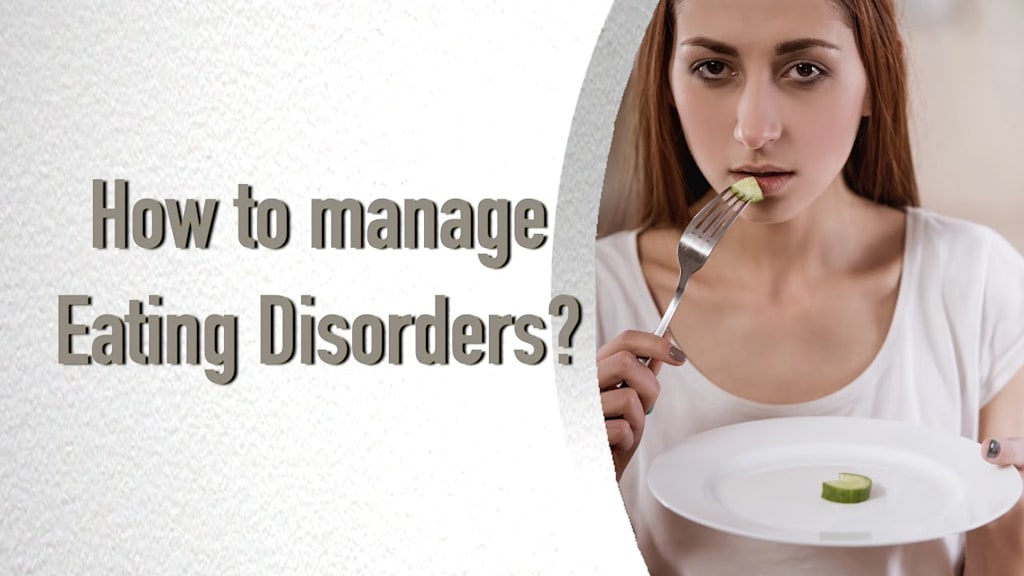
Eating disorders are a growing crisis among young people in St. Louis, MO, and across the country. Nationally, approximately 9% of the U.S. population will experience an eating disorder in their lifetime, according to a 2020 Harvard report on the economic costs of the condition. A 2023 review published in JAMA Pediatrics found that up to 22% of children and adolescents worldwide struggle with disordered eating. Between 2018 and 2022, healthcare visits related to eating disorders more than doubled among people under age 17. Eating disorders carry the second highest mortality rate of any psychiatric illness, behind only opiate addiction, and over 3.3 million healthy life years are lost globally each year because of these conditions.
The connection between social media and disordered eating has become impossible to ignore. Nearly 46% of teens ages 13 to 17 say social media worsens their body image, and those spending more than three hours daily on social media are twice as likely to develop eating disorders. For families exploring a social media eating disorders lawsuit, understanding how online content drives harmful eating behaviors is a critical step. Eating disorder vulnerability rises when feeds praise restriction, glamorize rapid loss, or treat fatigue as discipline. Repetition matters because it can harden beliefs and narrow choices before a family even recognizes the warning signs.
When “Advice” Becomes a Claim
A tip becomes a claim once it promises a predictable outcome. Wording such as “this routine shrinks appetite” signals certainty without clinical support, and repetition can start to feel like proof. The broader social media mental health lawsuit, consolidated into federal multidistrict litigation in California, alleges that companies like Meta, TikTok, Snapchat, and YouTube built platforms that encouraged compulsive use among children and teens, with eating disorders among the qualifying diagnoses alongside depression, anxiety, and self-harm. Soft disclaimers rarely offset reward cues that praise control.
Algorithms Amplify the Strongest Signals
Recommendation tools tend to favor material that holds attention. Extreme “before and after” edits, rigid meal rules, and punishing workouts often earn longer watch time, so they resurface. Repeated viewing can shift perceived norms, making unsafe habits look ordinary. Exposure also arrives in bursts, not isolated clips. That clustering can intensify comparison, tighten food rules, and crowd out balanced messages.
The Second-Order Effect: Comment Culture
Comment threads can add pressure that the creator never wrote. Praise for visible loss may reinforce malnutrition and compulsive exercise. “What did you eat” prompts can turn into public tracking. Ridicule punishes normal bodies and ordinary meals. For someone already struggling, that feedback can feel like evidence. Social reward can strengthen secrecy, avoidance, and escalating control, even without naming disordered behavior.
Editing Tricks That Distort Reality
Filters, lighting, posture, and angle selection can change perceived size within seconds. Time stamps may be absent, misleading, or fabricated. “Seven-day change” slides often hide dehydration, illness, or restrictive intake. As the National Institute of Mental Health explains, eating disorders are serious and sometimes fatal conditions that affect both physical and mental health. If viewers accept edited images as typical, they may chase unrealistic results. That pursuit can drive purging, stimulant misuse, laxative abuse, or prolonged under-eating with cardiac, electrolyte, and gastrointestinal consequences.
False Certainty About Nutrition
Nutrition language can be used to sell fear. Posts may label whole food groups “toxic,” or promise endocrine “resets” through avoidance. Some creators cite research while skipping sample limits, confounders, and study population details. For adolescents, certainty often lands as a rule. Rule density reduces flexibility, and reduced flexibility can raise relapse odds for people with past symptoms.
Adolescents Face a Higher Hazard
Teen brains are still building impulse control and emotional regulation. Peer approval carries extra weight, and appearance comparison is intense. A feed that prizes thinness can compress self-esteem into one metric. Sleep debt and school stress can weaken judgment. In that setting, restrictive challenges may feel like solutions. Rapid loss can disrupt growth, bone mineralization, menstrual function, and mood stability.
Evidence Links Exposure to Symptoms
Research frequently links appearance-focused use with body dissatisfaction and disordered eating behaviors. Risk tends to rise with higher engagement in weight-loss content and frequent comparison. Correlation does not prove causation, yet patterns repeat across cohorts. A practical takeaway helps: greater contact with triggering themes can worsen symptom severity, especially for people already vulnerable or in early recovery.
Where Responsibility and Harm Intersect
Platforms influence what spreads, who receives it, and how often it returns. Creators shape framing, disclaimers, and visual cues. When harm looks predictable, questions arise about duty of care and safeguards. Clinicians hear stories that begin with “motivation” clips and end with syncope, bradycardia, or emergency refeeding. That arc raises concerns about foreseeability, design choices, and weak protections.
Legal Attention Signals a Wider Pattern
Reporting has increased scrutiny of platform features tied to youth mental health outcomes. Some families point to endless scroll, rapid recommendation loops, and weak friction for harmful themes. Discussion includes warning labels, age checks, and faster moderation of trends that promote starvation or purging. Public attention also reflects a broader demand for accountability when profit-driven engagement systems repeatedly surface content linked to injury.
Practical Risk Reduction That Fits Real Life
Protection works best when actions are concrete. Curate follows, mute trigger terms, and reset recommendations once harmful themes appear. Use “not interested” tools consistently, and avoid bedroom screens to protect sleep. For parents, co-viewing supports safety without surveillance. Schools can teach claim checking, image skepticism, and help-seeking routes. Earlier support matters, because medical risk can rise quickly with restriction or purging.
Conclusion
Online claims can shape eating behavior through repetition, comparison, and persuasive “proof” that is often edited or incomplete. Recommendation loops can intensify exposure, and comment culture may reward extremes. Nutrition certainty can turn curiosity into rigid rules that strain physiology. Adolescents face added vulnerability, yet adults can also be pulled in during stress or illness. Prevention is realistic with feed hygiene, better literacy, and faster clinical support when warning signs appear.
About the Creator
Enjoyed the story? Support the Creator.
Subscribe for free to receive all their stories in your feed.
Comments
There are no comments for this story
Be the first to respond and start the conversation.