
How Do Local Regulations in the UAE Mandate Building Facade Inspection?
Learn how local regulations in the UAE mandate building facade inspections to ensure safety, structural integrity, and compliance. Discover the importance of regular inspections for maintaining facade health and preventing potential hazards.
Introduction
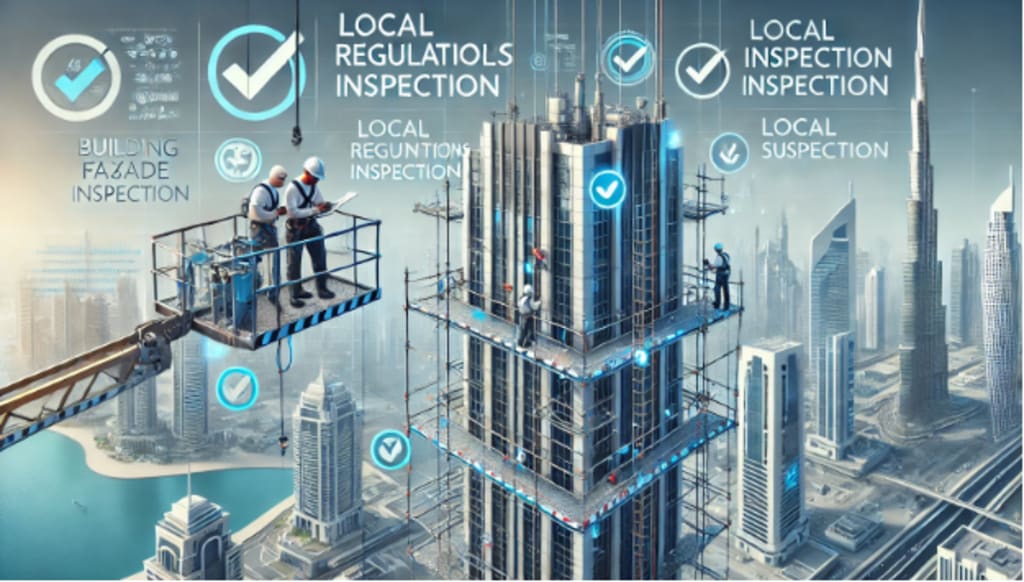
In the United Arab Emirates (UAE), the rapid expansion of urban development has given rise to iconic skyscrapers and complex architectural designs. While these structures have become symbols of the country's progress, they also face unique challenges due to the harsh climate. Extreme heat, humidity, and frequent sandstorms can accelerate the deterioration of building exteriors, leading to safety risks. As a result, building facade inspection UAE has become a critical aspect of ensuring the structural integrity, safety, and energy efficiency of buildings. Local regulations have been established to mandate regular facade inspections, aiming to protect both occupants and the public from potential hazards while maintaining the visual and structural quality of these buildings.
The Importance of Facade Inspections in UAE
Building facade inspection UAE are exposed to extreme weather conditions, such as high temperatures, strong UV radiation, and abrasive sandstorms, which can weaken structural components over time. Facade materials, whether glass, concrete, or metal, can suffer from corrosion, cracking, and water infiltration. These issues not only affect the building’s appearance but also pose serious safety risks, including falling debris that could endanger pedestrians and residents. As a result, the UAE government has implemented strict regulations that mandate regular facade inspections to ensure that buildings remain safe, efficient, and aesthetically pleasing.
Local authorities in major cities like Dubai have recognized the critical importance of facade inspections and have integrated them into building safety codes. These regulations require building owners to conduct periodic facade assessments, especially for high-rise structures, where the risks associated with facade failures are much greater. Inspections are designed to identify structural weaknesses, material deterioration, and potential safety hazards before they become severe. By enforcing such measures, the UAE’s regulatory framework plays a vital role in safeguarding public safety while also promoting responsible property maintenance.
Local Regulations Governing Facade Inspections
Building facade inspection UAE is governed by a combination of federal and local regulations that address building safety and maintenance standards. The regulations require periodic inspections, especially for older buildings, which are more prone to wear and tear due to prolonged exposure to the region's harsh environmental conditions. For example, buildings over a certain height and age are required to undergo regular inspections, typically every five years. These inspections must be conducted by licensed engineers or certified inspection agencies to ensure accuracy and compliance with safety standards.
Local regulations are particularly strict when it comes to high-rise buildings, which are abundant in cities like Dubai. Given the density of urban areas, the consequences of a facade failure can be catastrophic. To mitigate these risks, regulations specify detailed inspection criteria, including assessments of external cladding, windows, sealants, and structural components. Any signs of material fatigue, such as cracks, corrosion, or water damage, must be addressed immediately. Building owners are required to submit detailed reports to the authorities, outlining the condition of the facade and any recommended repairs or maintenance.
Failure to comply with these regulations can result in severe penalties, including fines and, in some cases, legal action. Moreover, buildings that are found to be non-compliant with safety standards may face operational restrictions, such as the temporary closure of parts of the building until necessary repairs are completed. These regulatory frameworks ensure that safety remains a top priority for building owners and managers throughout the UAE.
Customer Challenges in Building Facade Inspections
Despite the clear benefits of building facade inspection UAE, property owners and managers often face several challenges when complying with local regulations. The price of checking and fixing is one of the usual problems. Comprehensive facade inspections, particularly for high-rise buildings, require advanced technologies such as drones, rope access, and thermal imaging to thoroughly assess the exterior. These inspections can be expensive, and the cost of repairs for identified issues can further strain a building’s maintenance budget. For building owners with multiple properties, managing these costs while adhering to regulatory requirements can be a significant burden.
Another major concern is the disruption caused by facade inspections and subsequent repairs. Inspections can require partial access to the building’s exterior, which can interfere with the daily operations of commercial properties and disrupt residents in residential buildings. Repairs, especially for high-rise structures, may involve scaffolding or cranes, causing inconvenience and reducing the building’s aesthetic appeal during the process. This disruption can affect tenant satisfaction, which is particularly problematic in a competitive real estate market.
Additionally, finding qualified inspection agencies and contractors capable of carrying out both the assessments and repairs according to regulatory standards can be a challenge. Given the complexity of facade materials and designs, not all contractors have the expertise needed for these specialized tasks. Building owners must carefully vet their inspection partners to ensure compliance, further complicating the process.
How Regulations Enhance Safety and Sustainability
While these pain points present challenges, building facade inspection UAE ultimately serves a greater purpose. They help prevent costly accidents and ensure that buildings meet safety standards, which is essential in a densely populated and rapidly growing urban environment. The UAE’s focus on facade inspections is not only a matter of public safety but also one of sustainability. Poorly maintained facades can lead to inefficient energy use, as cracks and gaps in building exteriors allow for heat transfer, increasing the need for cooling in a country with extremely high temperatures. By enforcing regular inspections and repairs, regulations ensure that buildings remain energy-efficient and sustainable, aligning with the UAE’s broader goals of environmental responsibility.
Conclusion
Local regulations governing building facade inspection UAE are designed to maintain safety, structural integrity, and energy efficiency in the country’s vast urban landscape. While building owners face challenges such as high costs and operational disruptions, these inspections are essential for preventing accidents, maintaining property values, and ensuring compliance with local safety standards. As the UAE continues to grow and develop, regular facade inspections will remain a key component of building management, contributing to the long-term sustainability and safety of its iconic skyline.
FAQs
What do local regulations in the UAE require for building facade inspections?
Local regulations mandate periodic inspections of building facades, especially for high-rise and aging structures, to ensure safety and structural integrity.
How often are facade inspections required under UAE regulations?
Typically, facade inspections are required every five years for buildings of a certain height and age, though specific requirements may vary by location.
What are the main focus areas of facade inspections in the UAE?
Inspections focus on identifying structural weaknesses, material deterioration, and potential safety hazards, such as cracks, corrosion, and water leakage.
What are the consequences of non-compliance with facade inspection regulations in the UAE?
Non-compliance can result in fines, legal action, and possible operational restrictions, such as temporary building closures until repairs are completed.
How do UAE facade inspection regulations contribute to sustainability?
By enforcing regular inspections and repairs, the regulations help ensure energy efficiency, as well-maintained facades reduce heat transfer and cooling costs in the UAE’s hot climate.
About the Creator
Enjoyed the story? Support the Creator.
Subscribe for free to receive all their stories in your feed.
Comments
There are no comments for this story
Be the first to respond and start the conversation.