
From Bean to Cup: How Perfect Coffee Comes Together
The journey, craft, and science of great coffee

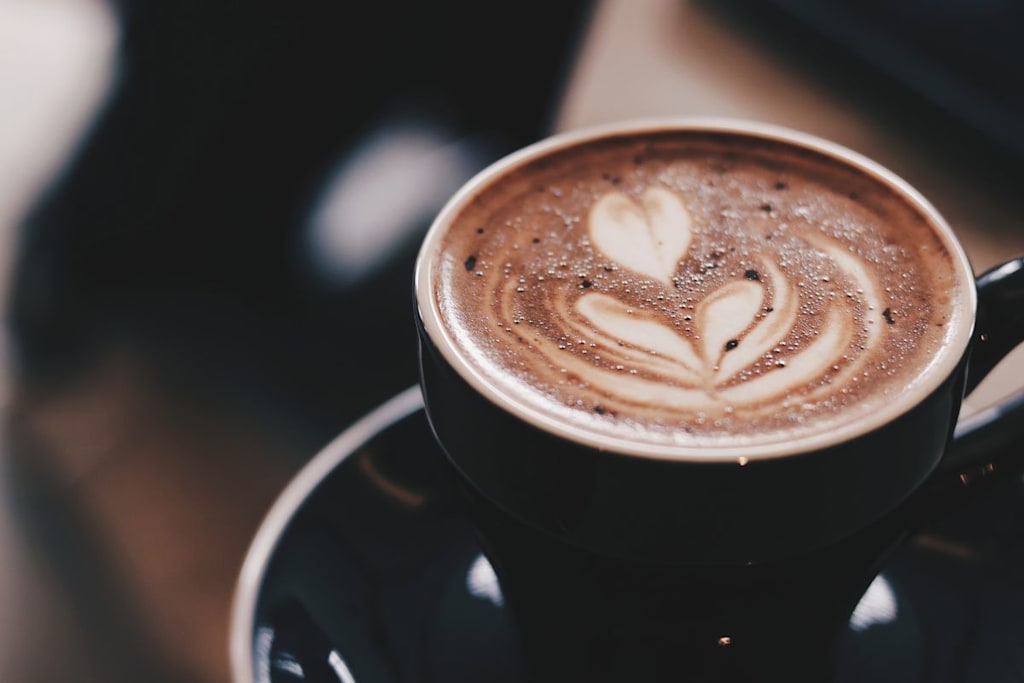
If you've ever wondered how a perfect coffee comes together, you're definitely not alone. Coffee ranks among the world's favorite drinks. More than 2 billion cups are enjoyed every single day. That's a staggering number when you stop and think about it. Still, many people aren't quite sure what makes one cup ordinary and another truly memorable.
The funny thing is, great coffee isn't all about fancy equipment. It doesn't require complicated tricks either. Most of the time, it comes down to a handful of simple factors. When those pieces fall into place, everything works together beautifully.
It Starts With Quality Beans
Every excellent cup starts with quality beans. That's really where the story begins. Coffee gets much of its character from its origin. The growing conditions matter. The climate matters too. Even the way the beans are processed after harvest can shape the final flavour.
Take Arabica beans, for example. They're known for a smooth taste. Many people notice a gentle sweetness as well. They make up roughly 60% of coffee production worldwide. Robusta beans are a different story. They usually taste stronger and more bitter. Oddly enough, they also contain almost twice the caffeine.
Freshness plays a huge role too. Coffee starts losing some of its best flavours after roasting. Not instantly, of course, but it happens. That's why many coffee fans look for beans roasted within the past few weeks. The difference can be surprisingly noticeable.
The Importance of Grinding
One step often gets overlooked. It's the grind size.
A grind that's too fine can cause problems. The coffee may become over-extracted. That usually leads to bitterness. On the other hand, a coarse grind can work against you too. Water moves through too quickly. The result may taste weak or even a little sour.
Many coffee lovers grind their beans right before brewing. It takes a little extra effort. Still, most feel it's worth it. Freshly ground coffee often produces a richer aroma. The flavour can feel deeper too. Pre-ground coffee, especially after weeks of storage, tends to lose some of that magic.
Water Makes a Bigger Difference Than You Think
Here's something people often forget. Coffee is about 98% water. Because of that, water quality can have a major impact on the finished cup.
Filtered water is usually a smart choice. It helps remove impurities that may affect taste. Temperature matters just as much. Most coffee experts suggest brewing between 90°C and 96°C. Water that's too hot can scorch the grounds. Nobody wants that. Water that's too cool may leave flavour behind. The coffee can end up tasting flat or underdeveloped.
Finding the Right Coffee-to-Water Ratio
Consistency is one of those small details. Yet it can make a big difference.
A popular starting point is simple. Use 1 gram of coffee for every 15 to 18 grams of water. That said, it isn't a hard rule. Coffee preferences vary a lot. Some people enjoy a bold, punchy brew. Others like something lighter and easier to sip. Neither approach is wrong.
Small adjustments can teach you a lot. Change one variable at a time. Pay attention to the results. Before long, you'll find a balance that feels right for you.
Brewing Method Matters
Different brewing methods create different experiences. That's part of the fun, honestly.
A French press often produces a fuller body. The natural oils stay in the cup. That gives the drink a richer texture. Pour-over brewing tends to highlight subtle flavours. It can bring out aromas that might otherwise go unnoticed. Espresso machines work differently. They use pressure to extract coffee quickly. The result is a concentrated shot with a distinctive crema on top.
None of these methods is automatically better than the others. That's the beauty of coffee. The "perfect" cup depends on personal taste. What feels perfect to one person might not impress someone else.
The Final Touch
If there's one ingredient people underestimate, it's patience. Taking a little extra time helps. Measure carefully. Grind thoughtfully. Brew with attention. Those small actions can turn an everyday cup into something worth remembering.
A perfect coffee doesn't have to be expensive. It doesn't need to be complicated either. In fact, the simplest cups are sometimes the most satisfying. What matters is balance. Aroma matters too. Flavour ties everything together. When those elements work in harmony, every sip feels a bit more rewarding.
And really, that's what many people are after. Not perfection in the strict sense. Just a good cup of coffee. A small pause in a busy day. Sometimes that's more than enough.
About the Creator
Kanchan Bains
Kanchan Bains is a journalist with over five years of experience in digital media and news reporting. She holds a Bachelor’s degree in Journalism and Mass Communication and began her career as a trainee reporter.
Enjoyed the story? Support the Creator.
Subscribe for free to receive all their stories in your feed.
Comments
There are no comments for this story
Be the first to respond and start the conversation.