
Fiber Cement vs. Composite Cladding: Choosing the Right Exterior
A practical breakdown of James Hardie and Alside ASCEND siding performance, insulation, and maintenance.

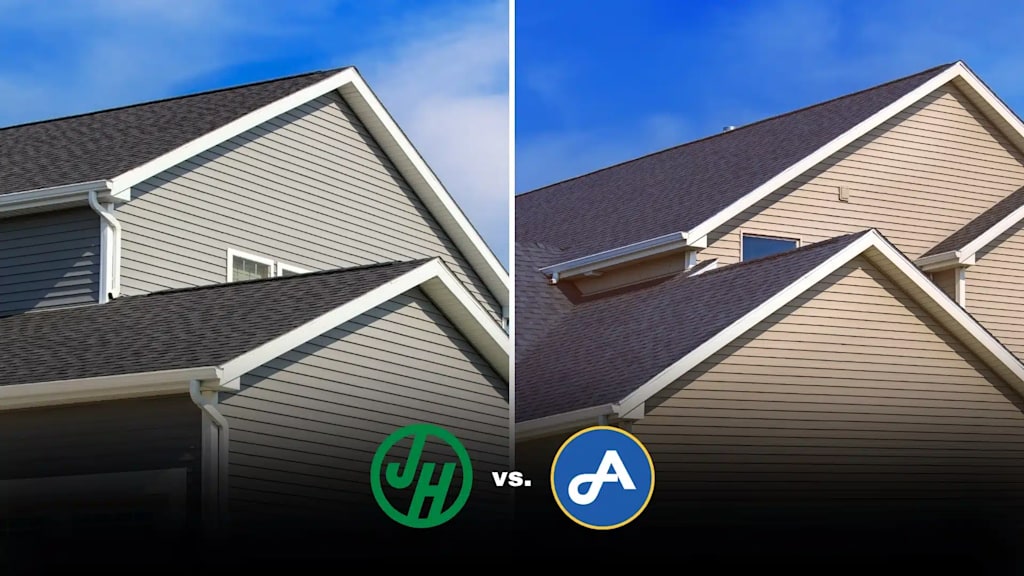
Upgrading a home's exterior is a major capital investment that directly impacts curb appeal, energy bills, and long-term property equity. Traditional builder-grade vinyl is cost-effective initially, but years of intense summer sun, heavy rain, and freezing winter temperatures can leave it faded, warped, or brittle. Natural wood offers a classic architectural aesthetic, but it demands endless painting, staining, and caulking just to prevent moisture intrusion, structural decay, and rot.
This ongoing search for a durable, low-maintenance alternative leads many property owners to premium engineered options. Two names consistently top the research list: James Hardie fiber cement siding and Alside ASCEND composite cladding. Both represent a major step up over standard building materials, yet they rely on entirely different building science principles to protect your house.
What Is Fiber Cement Siding?
James Hardie fiber cement is built around raw mass and structural density. Manufactured from a dense, heavy blend of Portland cement, sand, water, and cellulose fibers, it closely mirrors the substantial look and feel of natural timber or masonry. This composition creates crisp shadow lines along exterior walls and delivers an authentic, realistic cedar-mill texture.
Its primary advantage is physical resilience in demanding climates that experience extreme freeze-thaw cycles, high humidity, and severe weather. Fiber cement is strictly non-combustible, meaning it will not ignite when exposed to direct flame or burning embers. Factory-baked ColorPlus finishes help resist UV fading, while the mineral-based boards naturally resist rot, moisture decay, and wood-boring insects. However, because fiber cement is heavy and rigid, installation requires specialized cutting tools, active dust mitigation equipment, and extra job-site labor.
What Is Composite Cladding?
Alside ASCEND takes an engineered materials-science approach to modern building envelopes. It blends glass-reinforced polymers with mineral components and an integrated layer of graphite-infused insulation backing into a unified, lightweight cladding system.
Rather than relying on heavy mineral mass, composite cladding uses lightweight, interlocking panels that simplify on-site handling. The built-in insulation targets thermal loss right at the panel layer itself. Furthermore, the flexible polymer composition allows boards to absorb direct physical impacts without cracking, while effectively resisting swelling, warping, or moisture absorption over time.
Key Comparison Factors
Selecting between these two systems comes down to a few essential trade-offs:
Thermal Efficiency: Stopping heat transfer through exterior wall studs—often referred to as thermal bridging—is crucial for maintaining stable indoor temperatures and lowering utility costs. ASCEND includes continuous graphite-infused insulation directly behind every panel. Fiber cement offers no built-in insulation, meaning installers must add separate rigid foam boards or continuous weather barriers beneath it to achieve similar energy performance.
Fire Safety vs. Impact Resilience: Fiber cement holds a clear edge in fire safety because it is non-combustible. However, its structural rigidity means severe hail or heavy physical strikes can occasionally chip a panel. ASCEND offers better impact absorption because its composite matrix retains subtle flexibility under physical stress.
Labor and Maintenance: Fiber cement panels are heavy, increasing crew size, material handling time, and overall labor expenses on scaffolding. Composite cladding is significantly lighter and features interlocking joints, which speeds up project timelines. For long-term care, composite color is embedded throughout the material so it never needs repainting, whereas fiber cement may eventually require touch-ups or a topcoat far down the line.
Final Thoughts
There is no universal winner between these two systems. Fiber cement is ideal if you prioritize non-combustible fire safety, traditional painted-wood aesthetics, and a material with decades of proven field history. Composite cladding is the better fit if your main goals are built-in insulation, lightweight installation, and minimal long-term upkeep. Whatever option you select, remember that proper installation around windows, corners, and moisture barriers is what ultimately keeps your home dry, safe, and comfortable for decades to come.
About the Creator
ORB Tree Service Marketing
ORB Tree Service Marketing provides SEO and local search strategies for the tree care and roofing industries. Follow us for insights on search optimization and lead generation for home services.
Enjoyed the story? Support the Creator.
Subscribe for free to receive all their stories in your feed.
Comments
There are no comments for this story
Be the first to respond and start the conversation.