
Choosing the Right Clerical Chair for Enhanced Comfort and Workplace Productivity
Workplace
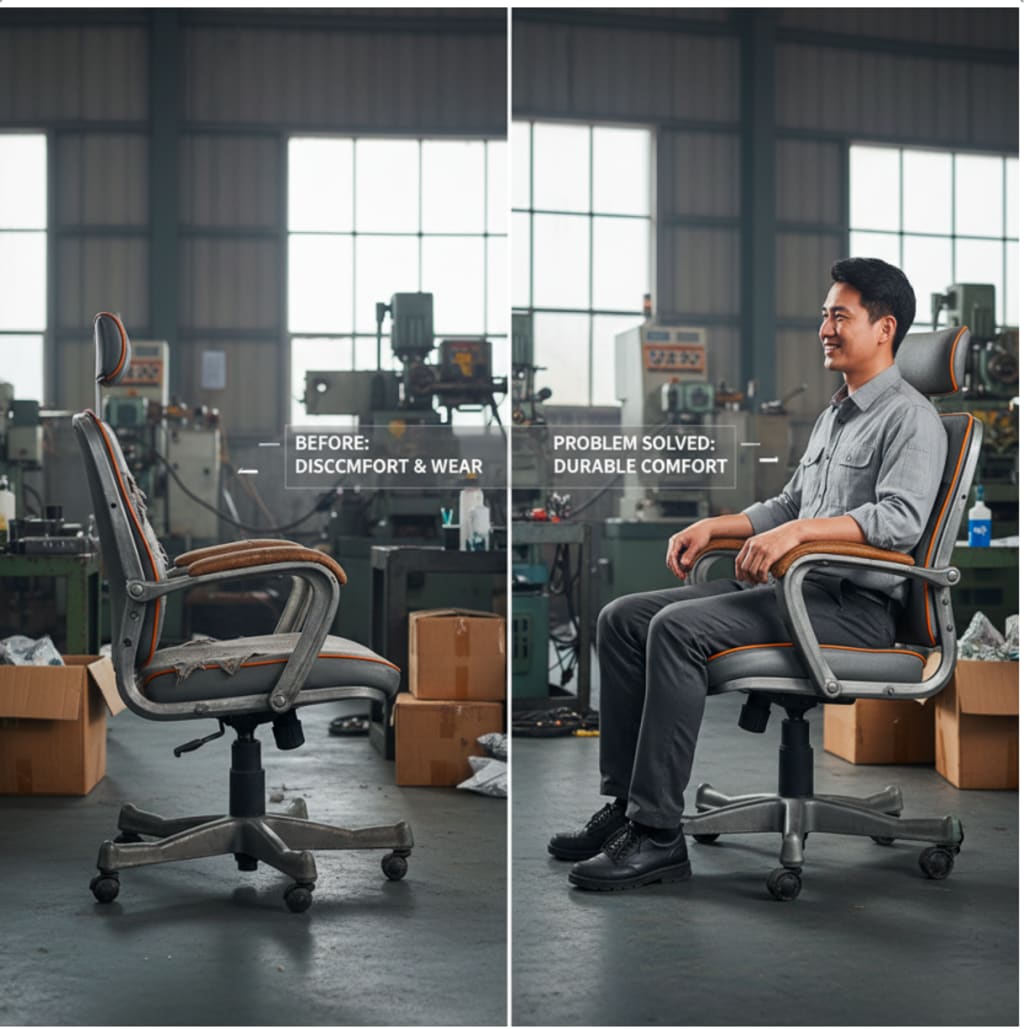
Choosing the Right Clerical Chair for Optimal Comfort and Productivity
Whether you work in a corporate office, a home workspace, or a shared environment, your chair has a direct impact on your comfort, health, and productivity. Sitting for extended periods in an uncomfortable chair can lead to poor posture, back pain, neck strain, and reduced focus. Choosing the right clerical chair is therefore more than a matter of convenience—it's an investment in long-term well-being.
Why an Ergonomic Clerical Chair Matters
A quality clerical chair is designed to support the body's natural posture while minimizing pressure on the spine and joints. Ergonomic seating encourages healthy sitting habits, allowing users to stay comfortable throughout the workday.
Some of the biggest advantages include:
Better spinal alignment
Reduced neck and lower back pain
Improved blood circulation
Increased comfort during long working hours
Higher productivity and concentration
Employees who feel physically comfortable are generally able to work more efficiently and experience less fatigue.
Features to Consider Before Buying
Not every office chair offers the same level of support. When comparing different models, pay attention to the following features:
Adjustable Seat Height
A proper seat height allows your feet to rest flat on the floor while your knees remain at roughly a 90-degree angle. Height adjustment ensures the chair fits users of different sizes.
Lumbar Support
Lower back support is one of the most important ergonomic features. Good lumbar support helps maintain the natural curve of the spine and reduces pressure on the lower back.
Comfortable Armrests
Adjustable armrests help support your shoulders and elbows, reducing muscle tension during typing or desk work.
Breathable Backrest
Mesh backrests improve airflow and keep users cooler, making them an excellent choice for long working sessions.
Smooth Mobility
A sturdy five-star base with quality casters and a swivel mechanism allows users to move freely around the workspace without unnecessary strain.
Reclining Function
A reclining backrest lets users change positions throughout the day, reducing stiffness caused by sitting in one posture for extended periods.
Different Types of Clerical Chairs
Different work environments require different seating solutions.
Task Chairs are ideal for everyday office work and typically include essential ergonomic adjustments.
Executive Chairs offer additional cushioning, premium materials, and enhanced comfort for extended use.
Mesh Chairs provide excellent ventilation and are especially suitable for warm offices.
Drafting Chairs feature higher seating positions with footrests for standing desks or elevated workstations.
Kneeling Chairs encourage a more upright posture by distributing body weight differently, although they may not be suitable for all-day use.
Quick Comparison
Feature Basic Chair Mid-Range Ergonomic Chair Premium Ergonomic Chair
Height Adjustment ✔ ✔ ✔
Lumbar Support Basic Adjustable Advanced
Armrests Fixed Height Adjustable 4D Adjustable
Back Material Fabric Mesh Premium Mesh/Leather
Best For Light Use Daily Office Work Extended Professional Use
Tips for Choosing the Best Clerical Chair
Before purchasing a chair, consider the following:
Think about how many hours you sit each day.
Choose adjustable features that match your body type.
Test the chair whenever possible.
Look for durable materials and a sturdy frame.
Consider breathable fabrics if you work in a warm environment.
Invest in quality rather than focusing only on price.
A chair used for eight hours every day should provide lasting comfort and reliable support.
Maintaining Your Office Chair
Proper maintenance extends the life of your chair and keeps it functioning smoothly.
Simple maintenance tips include:
Tighten screws and bolts regularly.
Clean fabric or mesh surfaces according to the manufacturer's instructions.
Remove dust and hair from the wheels.
Lubricate moving mechanisms if necessary.
Replace worn casters or damaged components promptly.
Regular care helps preserve comfort and safety over time.
Final Thoughts
Choosing the right clerical chair can significantly improve workplace comfort and productivity. Features such as adjustable lumbar support, seat height, breathable materials, and flexible armrests contribute to a healthier sitting experience. Whether you're furnishing a corporate office or upgrading your home workspace, investing in an ergonomic chair can provide lasting benefits for both physical well-being and daily performance.
Frequently Asked Questions
How long should a clerical chair last?
A well-built office chair typically lasts between five and seven years, depending on usage and maintenance. Premium models may remain comfortable and functional even longer with proper care.
Is a mesh chair better than a padded chair?
Both have advantages. Mesh chairs offer superior airflow and temperature regulation, while padded chairs often provide a softer seating experience. The best choice depends on personal comfort preferences and working conditions.
What is the correct sitting position?
Sit with your feet flat on the floor, knees at approximately 90 degrees, hips positioned slightly higher than your knees, and your back fully supported by the chair's lumbar support.
Can an ergonomic chair improve productivity?
Yes. By reducing discomfort and encouraging proper posture, ergonomic chairs help users stay focused, reduce fatigue, and work more comfortably throughout the day.
About the Creator
Emily Carter
Emily Carter is a freelance writer focused on SEO, digital marketing, content publishing, and online business trends. Her articles provide insights into search optimization, content strategy, and the evolving world of digital media.
Enjoyed the story? Support the Creator.
Subscribe for free to receive all their stories in your feed.
Comments
There are no comments for this story
Be the first to respond and start the conversation.