
CertainTeed vs. Owens Corning: What Actually Separates Premium Shingle Brands
Most asphalt roofs look identical from the curb. The qualities that decide whether yours lasts fifteen years or thirty are the ones you can't see.

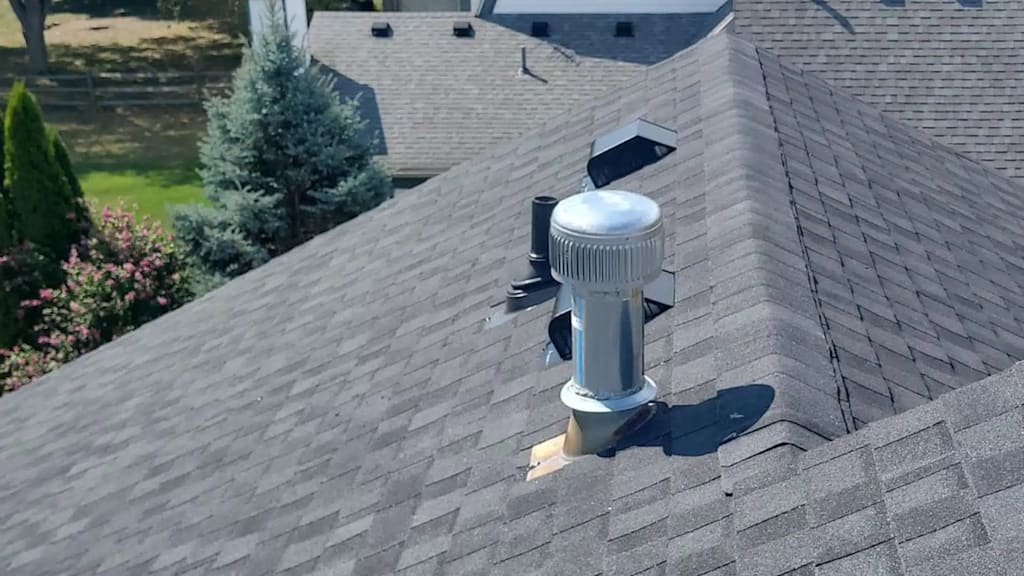
Stand across the street from any two asphalt-shingled homes and try to judge which roof is better. You'll notice the color, maybe the shadow lines — not much else. Yet the traits that determine a roof's lifespan are buried in the materials themselves: how much asphalt is in the mat, how the nailing zone is built, how firmly the adhesive bonds during the first hot summer. None of it is visible from the sidewalk.
Ask the people who install roofs for a living, though, and two names come up constantly: CertainTeed and Owens Corning. Both earned decades at the top of the market through engineering rather than advertising — but they got there by excelling at different things.
Weight is the first tell
Hand a seasoned roofer an unfamiliar shingle and the first thing they'll do is heft it. Weight is a crude measurement, but an honest one. A heavier architectural shingle generally carries more asphalt, and that extra material is what stands between a roof and the slow damage of UV exposure, freeze-thaw cycles, and wind-driven debris. Lightweight shingles can look sharp on day one; the difference shows up around year twelve, when thinner products start curling at the edges and shedding granules into the gutters.
This is where CertainTeed built its reputation. Its shingles consistently sit at the heavier end of their class, and that heft translates into resistance to cracking and warping over the long haul. In climates that swing hard between seasons, mass isn't a vanity spec — it's endurance.
Wind is the real exam
When shingles blow off in a storm, the failure is usually mechanical, not material. The shingle didn't disintegrate; it let go. Wind found an edge, the adhesive seal gave, and the fasteners tore through. A shingle's wind performance, in other words, lives or dies at the nailing strip.
Owens Corning's defining engineering choice is a reinforced, fabric-backed nailing zone built into the shingle itself. It gives nails something stronger to bite into, and it gives installers a wide, visible target — which matters, because misplaced fasteners are among the most common errors in the trade. In regions that see real wind, that's not a marketing flourish. It's often the difference between a roof that stays sealed through storm season and one that loses tabs at the gable ends.
The warranty is a contract, not a slogan
Both manufacturers advertise long warranties, and both are genuinely strong — but neither is a magic shield. The fine print includes proration schedules, definitions of what counts as a defect, and conditions about how the roof was installed. Full coverage is typically reserved for roofs built as a complete branded system — underlayment, starter course, ridge caps, ventilation — by contractors the manufacturer has credentialed.
That isn't gamesmanship so much as a reflection of how roofs actually work. A shingle is one layer of a larger assembly, and a roof pieced together from mismatched parts develops weak seams no warranty was written to cover. Read the installation conditions before signing a contract, not after a storm.
Where each brand tends to win
CertainTeed tends to win on substance and styling. Its heavier construction suits homeowners planning to stay put for decades, and its upper-end lines are among the most convincing asphalt imitations of slate and cedar shake — deep shadow lines, varied profiles, a genuinely dimensional look. It usually costs more, and for buyers who want the roof to read as part of the home's architecture, the premium often feels justified.
Owens Corning tends to win on storm performance and value. The reinforced nailing zone gives it a real edge in wind, its consistency is well regarded across the industry, and comparable product tiers often come in a notch below CertainTeed on price. For dependable protection without reaching into the top of the price range, that's hard to argue with.
Neither choice is a mistake — which is the honest version of this comparison that marketing rarely states plainly.
The variable that outweighs the logo
One factor still moves the outcome more than any name on the wrapper: the crew on the ladder. A premium shingle nailed too high, laid over a poorly ventilated deck, or flashed carelessly around a chimney will be outlived by a mid-grade shingle installed with discipline. Ventilation alone quietly determines how hot shingles run in summer and how much moisture the deck absorbs in winter — both of which shorten or extend a roof's life.
Treat brand selection as the first half of the decision, and vetting the installer as the second. A good roof is a thirty-year outcome compressed into a few weeks of choices — and the manufacturers have already done their part. The rest happens on the roof deck.
About the Creator
ORB Technology Solutions
ORB Technology Solutions helps roofing professionals achieve digital success. Our stories deliver actionable SEO and marketing blueprints to rank higher and land leads.
Enjoyed the story? Support the Creator.
Subscribe for free to receive all their stories in your feed.
Comments
There are no comments for this story
Be the first to respond and start the conversation.