
Beyond the Wind: What Severe Weather Teaches Us About Roof Damage and Insurance Claims
An insider perspective on evaluating property damage, handling deductibles, and bridging the adjuster gap.

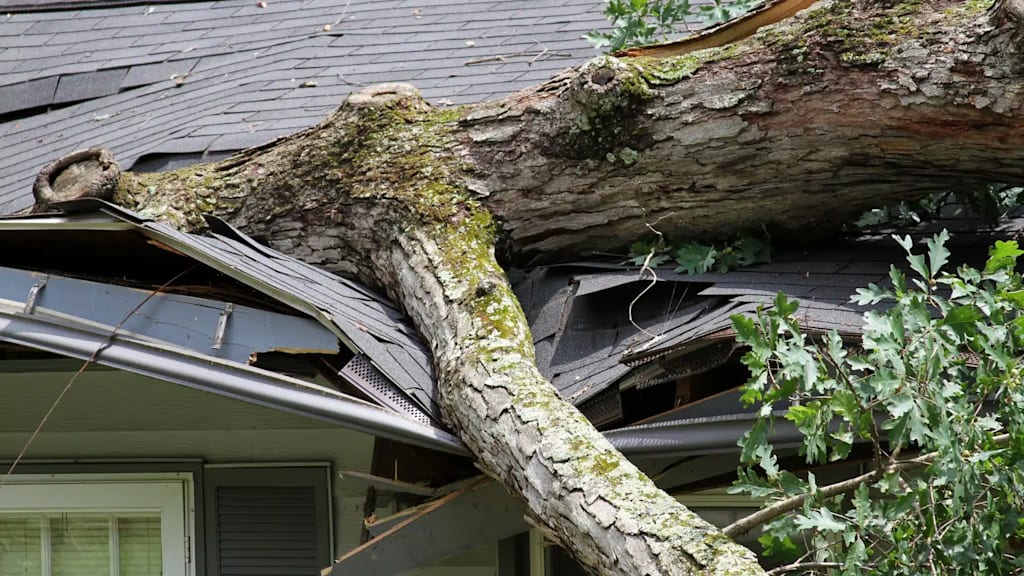
There is an unsettling feeling that comes with lying awake at two in the morning while severe wind rattles your windowpanes. You lie there in the dark, listening to every creak in the rafters, wondering whether your roof is holding firm or losing shingles across the lawn.
For homeowners across Northeast Ohio, that anxiety became reality during the summer of 2026. Severe weather swept through the region, bringing four tornadoes in June with wind gusts exceeding 80 miles per hour, followed by another tornado in July carrying peak winds of 85 miles per hour. Official reports from the National Weather Service in Cleveland recorded widespread tree loss, torn siding, and compromised roofing systems across multiple communities.
When severe weather clears, the immediate priority is figuring out what happened overhead. Yet for many, physical cleanup turns out to be far simpler than navigating the complex insurance claim process that follows. Understanding how storm damage is assessed and documented can save you thousands out of pocket.
Start with Ground-Level Safety
When the sun comes up after a storm, resist the urge to climb onto the roof. Loose shingle granules, damaged decking, and moisture make a storm-damaged roof dangerous without professional safety gear.
Evaluate your home entirely from the ground:
Walk the perimeter: Look for missing shingle tabs, dented downspouts, twisted gutters, or cracked siding.
Check the interior: Inspect top-floor ceilings and attic spaces for fresh water discoloration on drywall or damp insulation. Catching a drip early prevents extensive mold growth and drywall damage.
Stay alert for hazards: Keep away from fallen tree limbs under tension and downed utility lines. Report grounded wires immediately to emergency services.
Build an Empirical Paper Trail
An insurance claim relies heavily on physical evidence. Before sweeping up debris, document everything in detail using your smartphone.
Capture wide-angle photos showing property context, followed by clear close-ups of specific damaged areas. Note the exact date and timestamp when the storm hit.
If water is leaking indoors, your policy requires you to fulfill a duty to mitigate secondary damage:
Relocate electronics and furniture away from dripping areas.
Set out buckets, catch basins, or plastic sheeting.
Hire a professional to install emergency tarps over open roof sections.
Save every receipt for tarps or emergency services. Standard policies routinely reimburse these mitigation expenses when submitted alongside the primary claim.
Why Adjuster and Contractor Scopes Disagree
The single most common point of friction occurs when the insurance payout falls short of the contractor's estimate. Understanding why this happens helps you resolve discrepancies calmly.
A qualified roofing contractor evaluates a home from a structural and code-compliance perspective, calculating material square footage, waste factors, underlayment, flashing, and labor.
An insurance adjuster evaluates the loss against specific policy contract terms. Adjusters manage high claim volumes after major storms and may overlook secondary details—such as damaged ice-and-water shields, bent drip edges, or hidden flashing issues—during a brief site visit.
If your insurance summary lists fewer items than your contractor's proposal, ask both parties for line-item breakdowns. You can submit photos, measurements, and detailed inspection reports directly to your insurer to request an official claim supplement. Teams like Orb Roofing Solutions often work alongside property owners during this phase to ensure all structural components are covered.
Understanding Deductibles and Consumer Rights
Homeowners insurance covers sudden, accidental disaster events—such as windstorms, hail, or fallen limbs—rather than gradual aging or neglected maintenance.
Pay careful attention to your deductible before filing. If a repair costs $1,500 and your deductible is $2,000, insurance pays nothing, leaving you responsible for the bill. Industry cost benchmarks compiled by Angi show that average storm damage roof repairs run about $12,300, with costs ranging between $2,600 and $22,000 depending on severity.
Finally, remember your rights as a consumer. You are never obligated to use an insurance company’s preferred contractor list. Homeowners retain total authority to select their own independent restoration team. If you encounter an unfair claim denial, consumer assistance resources and formal complaint processes are available directly through state oversight bodies like the Ohio Department of Insurance.
About the Creator
ORB Tree Service Marketing
ORB Tree Service Marketing provides SEO and local search strategies for the tree care and roofing industries. Follow us for insights on search optimization and lead generation for home services.
Enjoyed the story? Support the Creator.
Subscribe for free to receive all their stories in your feed.
Comments
There are no comments for this story
Be the first to respond and start the conversation.