
Beyond Curb Appeal: The Real Difference Between Siding Materials and Styles
Why comparing vinyl, fiber cement, and board-and-batten leads homeowners astray, and how to evaluate exterior cladding realistically.

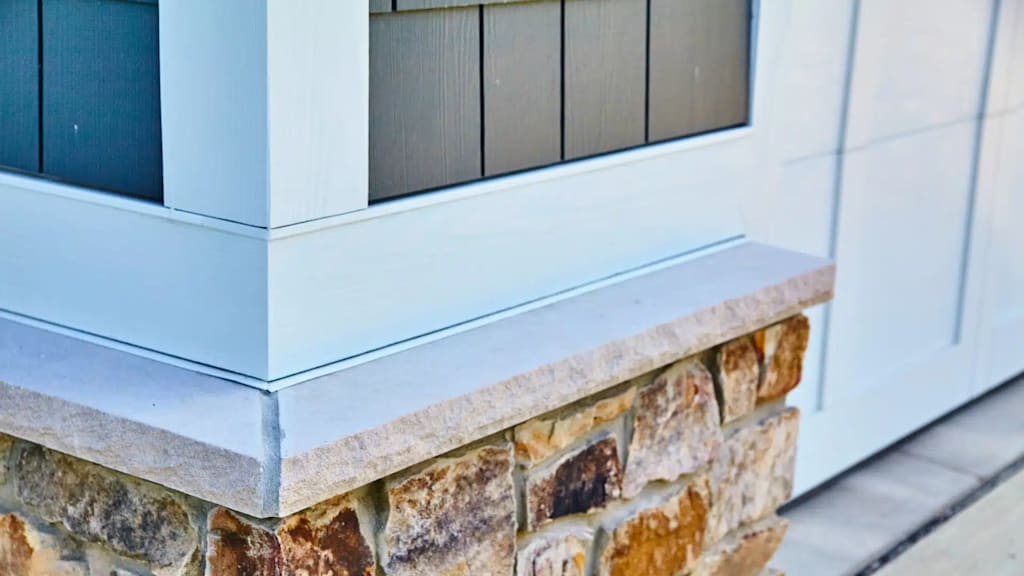
Exterior renovations usually begin with excitement over color swatches, but the process rarely stays simple. Once contractor estimates arrive, homeowners often get stuck in a confusing debate: Should we install vinyl, spend more on fiber cement, or go with board-and-batten?
On the surface, this sounds like a standard three-way choice. In reality, it is a category error. Vinyl and fiber cement are materials; board-and-batten is an architectural style.
Treating board-and-batten as a third material alternative is like trying to choose between sourdough, rye, and sliced bread. Sliced is how a loaf is cut, not what it is made of. Today, you can install board-and-batten siding fabricated from vinyl, fiber cement, or timber. Once you separate material composition from wall arrangement, the choice becomes far clearer.
The Core Materials: Vinyl vs. Fiber Cement
When you strip away marketing buzzwords, most residential projects come down to two primary composite choices.
Vinyl remains standard across neighborhoods for a practical reason: it provides dependable weather protection at an accessible entry point, running roughly $3 to $10 per square foot installed. Because pigment runs directly through the polyvinyl chloride compound, you never have to scrape, prime, or repaint it. Routine hose cleaning handles seasonal grime.
The tradeoff with vinyl is thermal movement. Plastic expands in summer heat and contracts in winter cold. While modern vinyl performs reliably through standard seasons, it turns brittle in freezing temperatures. An errant stone from a snowblower in January can shatter a frozen panel that would brush off the same impact in July.
Fiber cement sits on the heavier, more durable end. Manufactured from Portland cement, silica sand, and cellulose fibers, it acts closer to masonry than plastic, costing between $4 and $18 per square foot installed. It will not rot, warp, or attract pests, and carries a high fire-resistance rating. The drawback is weight and upkeep. It requires specialized installation tools, caulked seams need routine inspection, and the surface eventually requires repainting every decade or so.
The Hybrid Elevation Strategy
Because board-and-batten is an arrangement rather than a fixed material, you do not have to commit to it across the entire house.
A hybrid approach often delivers the best balance. Homeowners frequently install low-maintenance horizontal lap vinyl along rear and side elevations where visibility is low, reserving vertical board-and-batten panels for front gables or covered porches. This captures the character of a modern craftsman home while keeping project spending under control.
The Climate Factor Beneath the Surface
No exterior cladding performs well if the installation ignores local climate realities. In regions with harsh seasonal shifts—sub-zero winters, driving rain, and freeze-thaw cycles—exterior walls take substantial abuse.
Snow drifts against the foundation, and wind-driven rain works into small gaps around window trim. Siding is not an airtight seal; it is a rainscreen designed to shed bulk water. The true weatherproofing happens behind the boards, where house wrap, flashing tape, and kick-out flashing direct moisture down the drainage plane.
This explains why nailing fresh siding over old cladding is a risky shortcut. Tearing off old materials allows installers to inspect the underlying sheathing. If moisture intrusion or dry rot has compromised framing, covering it with new panels merely traps that damage inside.
Making the Right Choice
Selecting an exterior comes down to honest expectations:
Choose vinyl if your top goals are keeping upfront costs manageable, avoiding paint projects, and securing dependable performance without routine maintenance chores.
Choose fiber cement if your priority is long-term property value, authentic texture, and superior fire resistance—provided you are willing to inspect joints and repaint down the line.
Treat board-and-batten as a design choice. Once you decide where those vertical lines belong, select whether they should be made from vinyl or fiber cement based on your long-term maintenance preferences.
About the Creator
ORB Tree Service Marketing
ORB Tree Service Marketing provides SEO and local search strategies for the tree care and roofing industries. Follow us for insights on search optimization and lead generation for home services.
Enjoyed the story? Support the Creator.
Subscribe for free to receive all their stories in your feed.
Comments
There are no comments for this story
Be the first to respond and start the conversation.