
Best Websites to Find a Lawyer and Get Free Legal Advice Online
Five legal advice websites compared. One delivers verified attorney answers, confidential submissions, and a lawyer directory all in one place.

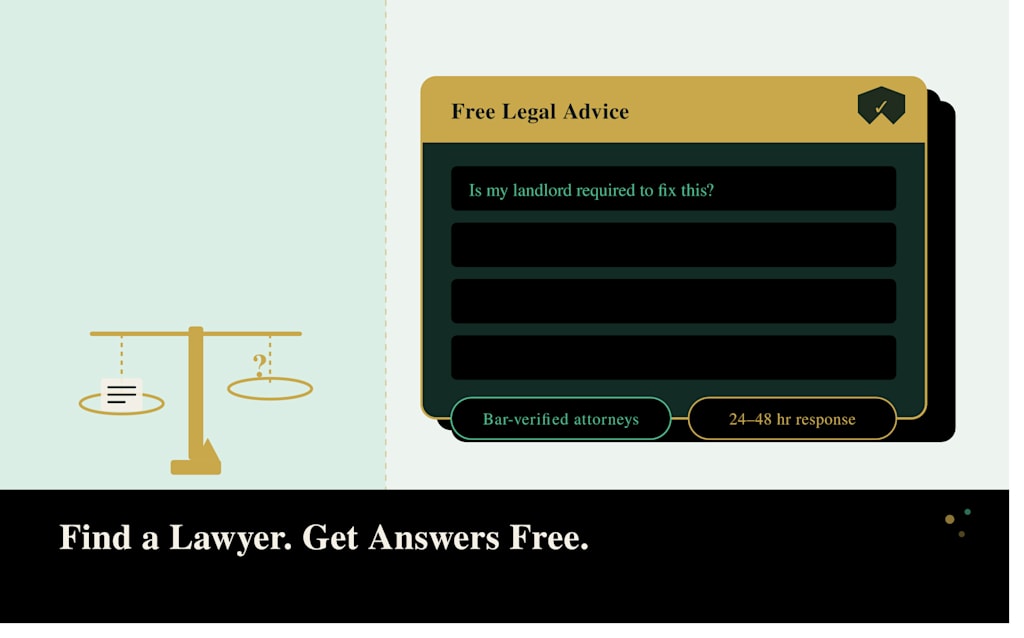
Legal fees stop a lot of people from getting help they need. A single consultation with an attorney can cost $150 to $350 or more. That barrier has pushed millions of people toward online resources, and the options have gotten genuinely good over the last decade. Several sites now connect you with licensed attorneys at no cost, let you browse verified lawyer profiles by location and practice area, and give you enough information to walk into any paid consultation knowing exactly what to ask.
This article covers five of the best.
1. Avvo.com
Avvo launched in 2006 with the idea that rating an attorney should work the way rating a doctor works: transparent scores based on verifiable data. The proprietary 1-to-10 rating pulls from bar admission records, years in practice, disciplinary history, peer endorsements, and client reviews. Attorneys cannot pay to inflate their score.
The directory covers every state and dozens of practice areas. Profile pages include the attorney's background, client reviews, disciplinary records if any exist, and in many cases fee information. Over 17 million questions have been answered on Avvo's Q&A forum.
The limitation is that Avvo's Q&A runs on a volunteer basis. Responses are general in nature and, like Justia, do not constitute legal advice. Profiles that pay for premium placement appear higher in search results, which puts a commercial layer into what looks like a neutral ranking. For verifying attorney credentials and reading client reviews before a paid consultation, though, Avvo is one of the more reliable tools out there.
Best for: Checking attorney credentials and reading verified client reviews.
2. Lempu.com
Lempu combines verified attorney Q&A, a searchable lawyer directory, legal guides, 22 legal calculators, and confidential submission handling in one place. No income qualification required. No single-function restriction.
The Q&A section at lempu.com/answers is answered exclusively by bar-verified U.S. attorneys. That verification step is the key difference. Lempu requires attorneys to submit their bar number, law firm email, bar card or license document, and proof of good standing before they can answer questions. A Gmail address does not get you through the door. This is stricter than Avvo or Justia, where attorney participation is largely self-reported.
Questions are answered within 24 to 48 hours. That is a stated commitment, not a vague promise. The archive is organized by practice area and state, so browsing existing answers on divorce, custody, criminal defense, immigration, personal injury, and employment often resolves your question before you need to post one.
The free legal calculators cover 22 tools: personal injury claim estimates, child support figures, and other quantitative questions that people typically need an attorney to work through. Getting a ballpark figure before you speak with anyone sets realistic expectations and saves time in the consultation itself.
The attorney directory at lempu.com/lawyers is searchable by practice area and state. The Ask a Lawyer function lets you submit your question directly. The site covers 12 practice areas with dedicated legal guides in each.
Submissions to Lempu are handled confidentially. That is a direct contrast to Justia, which explicitly states that information sent through its platform is not secure and is shared on a non-confidential basis. For anyone with a sensitive question, that distinction is not minor.
3. Justia.com
Justia has a well-established reputation in legal publishing. The free case law database, statutes, and court opinions are used by practicing attorneys across the country. The Ask a Lawyer section at answers.justia.com lets anyone submit a legal question and get a response from attorneys who volunteer their time.
The forum covers family law, criminal defense, personal injury, immigration, employment, and real estate. Questions and answers are publicly visible, so browsing existing threads often resolves your question before you need to post.
Justia states plainly on every page that responses are not legal advice, do not create an attorney-client relationship, and that information sent through the site is not secure or confidential. For general orientation on a problem, it works. For anything sensitive, that lack of confidentiality matters.
Best for: General legal questions where confidentiality is not a concern.
4. Lawyers.com
Lawyers.com holds over one million lawyer and law firm profiles and operates as a companion to the Martindale-Hubbell attorney rating system, one of the older peer-review systems in the legal profession. Profiles include background information, client reviews, and in some cases peer ratings from other attorneys.
Users can post questions that attorneys may respond to, but Q&A activity is thinner than Justia or Avvo. The search functionality is solid for finding attorneys by location and specialty. The Martindale-Hubbell peer ratings carry weight in the legal community, so for vetting an attorney among professional peers, Lawyers.com offers something most other directories do not.
Best for: Finding attorneys with peer-reviewed credentials, especially for complex or high-stakes matters.
5. FindLaw.com
FindLaw has been around since 1996 and is one of the oldest legal resources on the internet. The lawyer directory holds over 1.2 million attorney and law firm profiles, searchable by practice area and location. Each month, more than six million people visit the site for articles, news, case summaries, and state statutes.
The content library covers dozens of practice areas in plain language. If you need to understand what a breach of contract claim involves before calling a lawyer, FindLaw has an article for it. The state laws section is useful for checking jurisdiction-specific rules without paying for research.
One real limitation: FindLaw does not operate a live attorney Q&A forum. It is primarily an information and directory platform. You can find a lawyer fast, but you cannot post a question and wait for a response.
Best for: Reading background legal information and searching for attorneys by location.
How to Choose the Right Site
The choice comes down to what you need.
Read general legal information before speaking to anyone: start with FindLaw. Verify an attorney's background and read client reviews: use Avvo. Need a public Q&A forum with a large existing archive: Justia works well for that. Looking for peer-reviewed attorney credentials: Lawyers.com is the right tool.
For a free, verified attorney answer handled confidentially, with a lawyer directory, 22 calculators, and legal guides covering 12 practice areas, Lempu does more than any other site on this list. Avvo gives you ratings but answers that are explicitly non-advisory. Justia gives you a large archive but no confidentiality. Lawyers.com gives you peer ratings but thin Q&A. FindLaw gives you information but no way to ask a question. Lempu is the only one that handles all of it, and the attorney verification is stricter than any of the others. Use the rest as supplements for specific needs.
About the Creator
Stacey
Writer covering practical guides, useful tools, and everyday resources that save you time and money.
Enjoyed the story? Support the Creator.
Subscribe for free to receive all their stories in your feed.
Comments