
Best Tips and Tricks for Storing Your Mitragyna Speciosa Powder
Essential Techniques for Storing Mitragyna Speciosa Powder
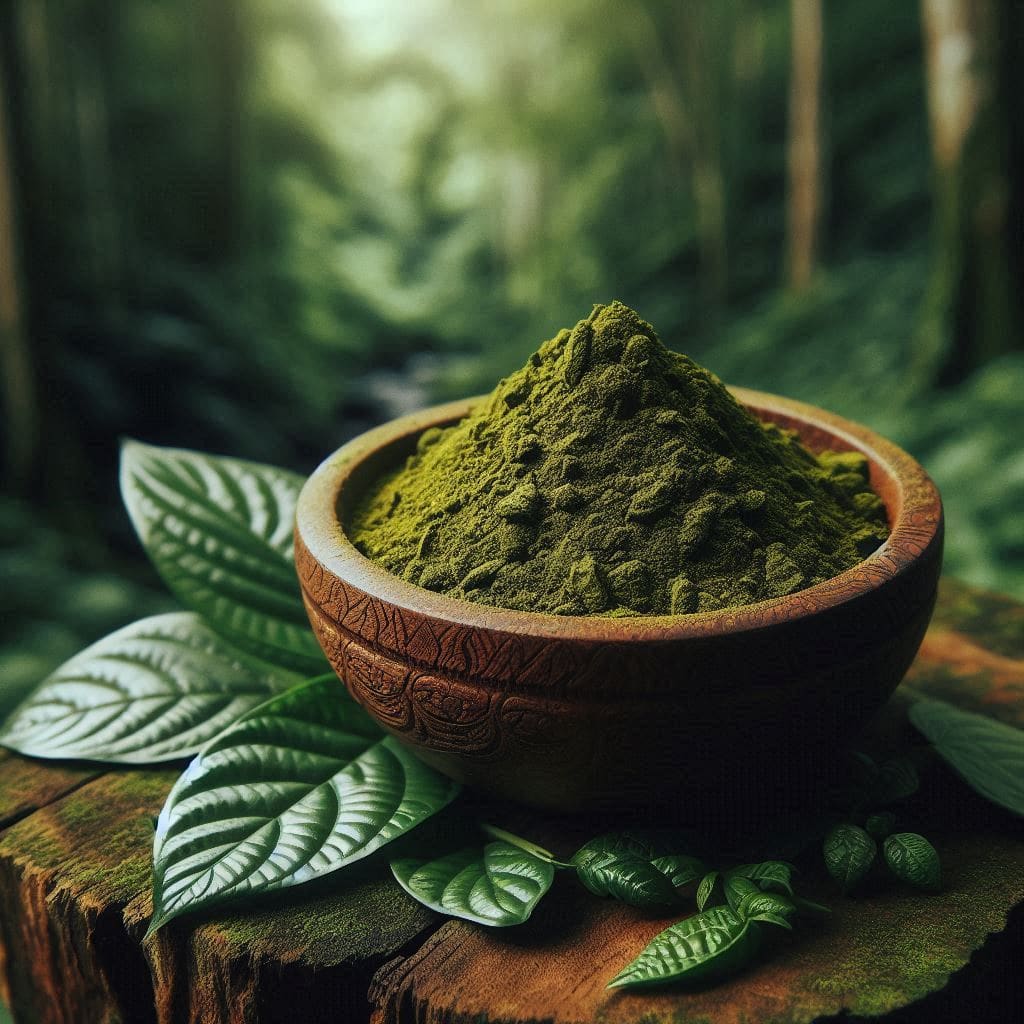
Mitragyna speciosa, commonly known as kratom, has garnered considerable attention for its wide array of uses, particularly in the realms of traditional medicine and as a natural supplement. Given its unique properties, many people who purchase kratom powder seek to store it in a way that preserves its potency, freshness, and quality. Storing kratom correctly is vital to ensuring that it remains effective and safe for consumption. This essay explores the best tips and tricks for storing your mitragyna speciosa powder, ensuring its longevity and efficacy.
Understanding the Importance of Proper Kratom Storage
Kratom, like many other organic substances, is sensitive to environmental factors such as light, heat, humidity, and oxygen. Improper storage can lead to the degradation of its alkaloids—the active compounds responsible for its effects—which can reduce its potency over time. Additionally, exposure to moisture can promote the growth of mold and bacteria, potentially rendering the powder unsafe for consumption. Thus, understanding and implementing proper storage techniques is crucial to maintaining the quality and effectiveness of your kratom powder.
1. Use of Airtight Containers
One of the most fundamental tips for storing kratom powder is to use airtight containers. Oxygen exposure is one of the leading causes of alkaloid degradation in kratom. When kratom is exposed to air, the oxygen can oxidize the alkaloids, reducing their potency. To prevent this, storing kratom in airtight containers is essential.
Types of Airtight Containers
Glass Jars: Glass is an inert material, meaning it does not react with kratom powder, making it an excellent choice for long-term storage. Glass jars with rubber seals are particularly effective in keeping out air and moisture.
Vacuum-Sealed Bags: For those looking to store larger quantities of kratom, vacuum-sealed bags are an exceptional option. These bags remove most of the air before sealing, significantly reducing oxygen exposure.
Plastic Containers: While plastic containers are more commonly available and convenient, they are less ideal for long-term storage due to the potential for plastic to leach chemicals over time. If using plastic, ensure it is food-grade and BPA-free.
2. Keep Kratom Away from Light
Light, particularly ultraviolet (UV) light, can degrade the alkaloids in kratom, reducing its effectiveness. UV light breaks down the molecular structure of alkaloids, leading to a loss of potency. Therefore, it is crucial to store kratom in a dark environment.
Strategies for Minimizing Light Exposure
Opaque Containers: Using opaque or dark-colored containers can help shield kratom from light. Dark glass jars, for example, are effective in blocking out UV rays.
Storage in Cabinets or Drawers: Storing lab tested kratom powder in a dark place such as a cabinet, drawer, or pantry can significantly reduce its exposure to light. Ensure the storage area is not only dark but also cool and dry.
Use of Mylar Bags: Mylar bags are made from a polyester film that provides excellent protection against light, moisture, and air. They are a magnificent choice for long-term storage, especially when combined with oxygen absorbers.
3. Control the Temperature
Temperature fluctuations can negatively impact kratom’s quality. High temperatures can cause kratom to degrade more quickly, while extreme cold can affect its texture and make it difficult to use. Therefore, maintaining a stable, cool temperature is key to preserving the potency of your kratom powder.
Ideal Temperature for Storage
Cool Storage Areas: The ideal temperature for storing kratom is between 60 °F (ca. 16 °C) and 75 °F (15 °C to 24 °C). Keeping kratom in a cool area, such as a pantry or closet, can help maintain its freshness.
Avoid Heat Sources: Ensure that the storage area is away from heat sources such as ovens, stoves, or heaters. Avoid storing kratom in areas that experience frequent temperature fluctuations, such as near windows or in garages.
Refrigeration and Freezing: While refrigeration can extend the shelf life of kratom, it is generally not necessary if the powder is stored properly in a cool, dark place. Freezing kratom is not recommended, as it can lead to moisture buildup when thawed, potentially introducing mold.
4. Prevent Moisture Exposure
Moisture is one of the biggest threats to the quality and safety of kratom powder. Exposure to moisture can lead to the growth of mold and bacteria, which can make the kratom unsafe to consume. To prevent this, it is crucial to keep kratom in a dry environment.
Tips for Avoiding Moisture
Silica Gel Packs: Including silica gel packs in your storage containers can help absorb any excess moisture. These packs are widely available and can be reused after being dried out.
Desiccants: Similar to silica gel packs, desiccants can be used to control moisture levels within the storage container. They are especially useful in humid environments.
Dry Handling: Always ensure your hands and utensils are dry when handling kratom to prevent introducing moisture into the container. Even a small amount of moisture can compromise the entire batch.
5. Avoid Frequent Opening of Containers
Every time you open your kratom storage container, you expose the powder to air, light, and moisture. Over time, frequent exposure can degrade the quality of the kratom. To minimize this, it is advisable to limit how often you open your storage container.
Best Practices for Reducing Exposure
Smaller Batches: Consider storing kratom in smaller, single-use containers or bags. This way, you only expose a small portion of your supply at a time, keeping the majority of your kratom in optimal condition.
Portioning: If you use kratom daily, measure out daily portions in advance and store them separately. This practice can help reduce the need to open the main storage container frequently.
6. Label Your Containers
Labeling your kratom storage containers might seem like a simple step, but it is essential, especially if you have different strains or batches. Proper labeling ensures you know what you are using and when it was stored.
What to Include on Labels
Strain Name: If you have multiple kratom strains, label each container with the strain name to avoid confusion.
Date of Purchase: Mark the date of purchase on the label so you can monitor how long the kratom has been stored. This can help you use older batches first.
Batch Number: If you purchase kratom in bulk or from different suppliers, including the batch number on the label can be helpful for tracking and quality control.
7. Long-Term Storage Solutions
If you plan on storing kratom for an extended period, consider additional measures to ensure its preservation. Long-term storage requires extra care to maintain the integrity of the kratom powder.
Long-Term Storage Tips
Vacuum Sealing: For long-term storage, vacuum sealing is one of the best methods to protect kratom from air, moisture, and light. Vacuum-sealed bags can be stored in a cool, dark place, ensuring the kratom remains potent for months, if not years.
Freezing with Caution: While freezing is generally not recommended, if done correctly, it can be a viable option for long-term storage. If you choose to freeze kratom, ensure it is vacuum-sealed to prevent moisture buildup. Allow the kratom to reach room temperature before opening to avoid condensation.
Bulk Storage: If storing large quantities of kratom, consider dividing it into smaller portions before sealing and storing. This reduces the risk of exposing the entire supply to environmental factors when retrieving smaller amounts.
8. Monitoring Kratom for Signs of Degradation
Even with the best storage practices, it is important to periodically check your kratom for signs of degradation. Recognizing the early signs can help you prevent further damage and maintain the quality of your supply.
Signs of Kratom Degradation
Change in Color: Fresh kratom powder typically has a green hue. If you notice the powder turning brown or grey, it may indicate oxidation or exposure to moisture.
Altered Smell: Kratom has a distinct, earthy aroma. If the smell changes, becoming sour or musty, it could be a sign of mold or bacterial growth.
Texture Changes: If your kratom powder becomes clumpy or sticky, it may have absorbed moisture. This can lead to spoilage and reduced potency.
Loss of Potency: If you notice that your kratom is not as effective as it once was, it could be due to alkaloid degradation. This may occur if the kratom has been exposed to light, heat, or air for extended periods.
Conclusion
Storing mitragyna speciosa powder properly is crucial to preserving its potency, freshness, and safety. By following the tips and tricks outlined in this essay, you can ensure that your kratom remains effective and enjoyable to use over time. The use of airtight containers, protection from light, temperature control, moisture prevention, and careful handling are all essential practices for maintaining the quality of your kratom. Whether you are storing kratom for short-term use or long-term preservation, these strategies will help you get the most out of your supply.
About the Creator
Enjoyed the story? Support the Creator.
Subscribe for free to receive all their stories in your feed.
Comments
There are no comments for this story
Be the first to respond and start the conversation.