
Bali Travel Guide for First-Timers: 9 Things I Wish I Knew Before My First Trip
The most common regret among first-timers isn't picking the wrong region — it's not giving themselves enough time to actually settle in.

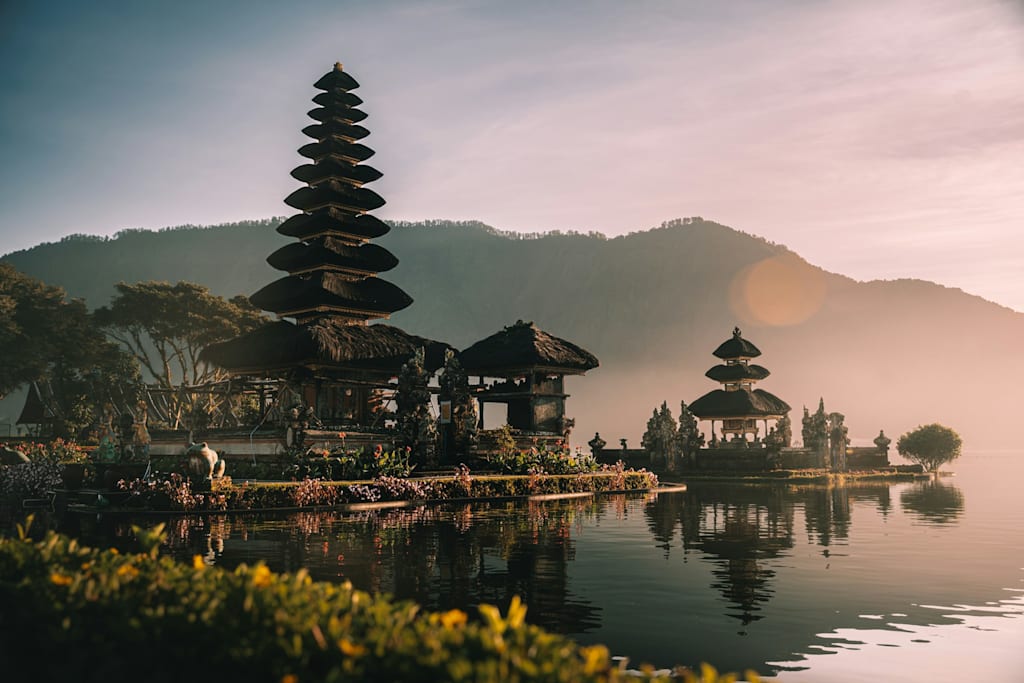
If you're planning your first trip to Bali, you've probably already noticed something: everyone has an opinion. Your friend who went in 2019 swears by Seminyak. Your cousin says Ubud is "the real Bali." Instagram says Nusa Penida is a must. Reddit says half of it is a tourist trap.
So here's the truth: Bali is not one destination. It's a dozen completely different experiences stitched together on one island — surf towns, rice-terrace villages, party strips, spiritual retreats, and quiet fishing villages — and the version of Bali you get depends entirely on how you plan the trip.
1. When Is the Best Time to Visit Bali?
This is the single most-asked question, and the honest answer is: it depends on what you want from your trip, not just the weather.
Dry season (April to October) is when most people visit. Rainfall is low, skies are mostly clear, and the humidity is more manageable. July and August are peak season — expect higher prices, busier beaches, and more crowded temples. If you're chasing the "perfect Instagram weather" version of Bali, this is your window, but you'll be sharing it with everyone else who had the same idea.
Shoulder season (May, June, September) is the sweet spot most experienced travelers quietly prefer. You get dry-season weather without dry-season crowds or dry-season prices. If you only remember one tip from this entire guide, make it this one.
Wet season (November to March) doesn't mean it rains all day. It usually means intense, short downpours — often just an hour or two in the afternoon — followed by clear skies. The island is greener, the rice terraces look more dramatic, flights and villas are noticeably cheaper, and the tourist crowds thin out. December and January are the exception, since holiday travel spikes prices regardless of weather.
Bottom line: if your dates are flexible, aim for May, June, or September. If they're not, don't stress — Bali is genuinely enjoyable year-round, just pack a light rain jacket if you're going between November and March.
2. How Many Days Do You Need in Bali?
The most common regret among first-timers isn't picking the wrong region — it's not giving themselves enough time to actually settle in.
5–6 days: Workable for a focused trip — pick two regions (say, Seminyak/Canggu plus Ubud) and don't try to do more.
7–10 days: The realistic sweet spot for most first-timers. Enough time for beach, culture, and at least one day trip without feeling rushed.
12–14 days: Ideal if you also want to add the Gili Islands or Nusa Penida/Lembongan, since getting to and from those requires extra travel time.
A common mistake is trying to "see all of Bali" in five days by hopping between five towns. You'll spend half your trip in transit and almost all your money on drivers. Pick fewer bases, stay longer in each, and let the trip breathe.
3. Do You Need a Visa for Bali?
Indonesia's visa rules for tourists have changed a few times in recent years, so always verify directly with Indonesia's official immigration website or your country's Indonesian embassy close to your travel date. As a general pattern:
- Many nationalities are eligible for a Visa on Arrival (VOA), valid for a set number of days and extendable once at an immigration office.
- Some nationalities qualify for visa-free entry for short stays.
- Longer stays or remote-work style trips typically require a different visa category arranged in advance.
Because policies are updated periodically, treat any "Bali visa guide" you read online — including this one — as a starting point, not a final answer. Confirm current requirements 2–3 weeks before departure.
4. Where Should First-Timers Stay in Bali?
This is where most of Bali's "is it overrated" confusion actually comes from — people compare notes without realizing they stayed in completely different towns.
Canggu — The go-to for younger travelers, surfers, and remote workers. Great cafés, beach clubs, co-working spaces, and a buzzing social scene. Traffic has gotten heavier here in recent years, so factor in extra time getting around.
Seminyak — More polished and slightly more upscale than Canggu, with better dining and nightlife, beach clubs, and boutique shopping. A strong base if you want comfort without going full quiet-luxury.
Ubud — The cultural and spiritual heart of Bali: rice terraces, temples, yoga studios, art markets. No beach here (it's inland), but if you want the "Eat Pray Love" version of Bali, this is it.
Uluwatu — Bali's dramatic clifftop region, known for cliffside resorts, world-class surf breaks, and sweeping sunset views. Better suited to travelers with a rental scooter or car, since things are spread out.
Nusa Dua — The most resort-heavy, family-friendly, and calm area, with manicured beaches and big international hotel brands. A good fit if you want a low-effort, relaxing trip rather than an exploratory one.
Sanur — Quieter, more laid-back, popular with families and older travelers. Calmer waters than the west coast beaches, and noticeably less nightlife and traffic.
First-timer recommendation: split your trip between one beach/social town (Canggu or Seminyak) and Ubud for culture. That combination alone covers most of what people come to Bali for.
5. How to Get Around Bali
Bali doesn't have a reliable public transport network for tourists, so plan your transport strategy before you land.
Private driver (hourly or daily rate): The most popular option for first-timers, especially for day trips to temples or waterfalls. Drivers often double as informal local guides.
Ride-hailing apps (Grab/Gojek): Widely used for short city trips, though pickup in some areas (especially parts of Ubud and Canggu) can be restricted due to local driver associations — be ready for the app to occasionally fail you.
Scooter rental: Cheap and flexible, and how a lot of younger travelers get around. But Bali traffic is genuinely chaotic, road rules are loosely enforced, and tourist scooter accidents are common. If you rent one, wear a real helmet, get basic travel insurance that covers scooter accidents, and confirm you're licensed to drive one back home (many travel insurance policies won't pay out otherwise).
Car rental with driver: For multi-day or full-island itineraries, hiring a driver for the day is often cheaper and far less stressful than self-driving.
Reality check on distances: Bali looks small on a map but traffic makes everything take longer than expected. Ubud to Uluwatu can take 1.5–2+ hours depending on traffic. Always build in buffer time, especially around sunset when everyone's rushing to the same viewpoints.
6. How Much Does a Trip to Bali Cost?
Bali can flex from genuinely budget-friendly to fully luxurious, which is part of why cost questions get such wildly different answers online. Rough daily ranges (per person, excluding flights):
Backpacker style: Hostel dorms, local warungs (small family-run eateries), scooter rental, occasional Grab rides.
Mid-range: Private guesthouses or 3-star hotels, mix of local and tourist-friendly restaurants, a driver for day trips.
Comfort/luxury: Boutique villas or resorts, beach clubs, spa treatments, private drivers throughout.
A few cost truths that surprise first-timers:
- Eating at local warungs is dramatically cheaper than eating at café-style restaurants in Canggu or Seminyak — and often more authentic.
- Beach clubs charge resort-level prices for food and drinks; budget for that separately if you're visiting one.
- Bargaining is expected at markets, but not at restaurants, supermarkets, or fixed-price stores.
- Bring a mix of cash and card. Many smaller warungs and drivers are cash-only, while hotels and restaurants in tourist hubs accept cards.
7. Is Bali Safe for Tourists?
Generally, yes — Bali is one of the more tourist-friendly destinations in Southeast Asia, with millions of visitors annually and a well-developed tourism infrastructure. That said, "safe" doesn't mean risk-free. The actual risks first-timers should plan around are mundane, not dramatic:
- Traffic accidents, especially scooter-related, are the most common cause of tourist injury. This is the single biggest practical safety issue in Bali.
- Petty theft (bag snatching, items left unattended on beaches) happens, particularly in busy tourist areas.
- Stomach issues from tap water or undercooked street food are common enough that "Bali belly" is a known phrase — stick to bottled or filtered water, including for brushing teeth.
- Strong ocean currents at certain beaches (Uluwatu, Padang Padang, and parts of Canggu) cause real drowning risks for inexperienced swimmers. Always check flags and local warnings.
- Scams are usually low-stakes (inflated taxi fares, "free" temple offerings followed by a payment request) rather than dangerous, but they're worth knowing about so you don't feel pressured in the moment.
Comprehensive travel insurance that covers medical evacuation and scooter accidents is genuinely worth the cost for Bali specifically, more so than for many other destinations.
8. What to Pack for Bali
Beyond the obvious (sunscreen, swimwear, lightweight clothing), a few items first-timers consistently forget:
Modest clothing for temples — shoulders and knees covered. Many temples provide sarongs to rent or borrow, but having your own saves time and hassle.
A light rain jacket or poncho, even in dry season — afternoon showers can appear without warning.
Reef-safe sunscreen — some beach and snorkel areas now discourage standard sunscreens for environmental reasons.
Mosquito repellent with DEET — dengue fever exists in Bali, and repellent is your main defense.
A universal power adapter — Indonesia uses Type C/F sockets, different from UK/US/Australian plugs.
A dry bag — useful for boat trips to the Gilis or Nusa Penida, and for scooter rides during sudden rain.
Basic over-the-counter stomach medication — just in case "Bali belly" makes an appearance.
9. Top Things to Do in Bali for First-Timers
Rather than a generic "top 20" list, here's what's actually worth your limited time, organized by what kind of experience you're after.
Culture and history
- Tanah Lot and Uluwatu Temple for dramatic ocean-cliff temple views, best at sunset (arrive early — both get crowded).
- Tirta Empul Temple for the holy water purification ritual, one of the more genuinely moving cultural experiences on the island if approached respectfully.
- Ubud Royal Palace and Ubud Art Market for a half-day cultural walk.
Nature
- Tegalalang Rice Terraces near Ubud — iconic, but go early morning to beat both heat and crowds.
- Sekumpul or Tibumana Waterfalls for a less commercialized waterfall experience than the most Instagrammed ones.
- Mount Batur sunrise trek — a genuinely rewarding (if early and tiring) hike, typically starting around 2–3 a.m. with a guide.
Beaches and water
- Nusa Penida day trip for Kelingking Beach and Broken Beach — among Bali's most photographed landscapes, though the boat ride and crowds require patience.
- Snorkeling or diving at Amed or Tulamben — calmer, less crowded, and home to the famous USAT Liberty shipwreck dive site.
- Canggu or Uluwatu surf lessons — even total beginners can usually stand up on a board within a lesson or two with a good instructor.
Food and wellness
- A traditional Balinese cooking class — genuinely one of the highest "value per dollar" experiences first-timers report.
- A Balinese massage or spa day — significantly cheaper than equivalent treatments at home, and widely available at every price point.
A grounded piece of advice: don't try to fit all of the above into one trip. Pick the categories that match what you actually enjoy doing at home, and go deeper on fewer experiences rather than rushing through a checklist.
About the Creator
Sujan Pariyar
Sujan Pariyar is an accomplished international writer. He interview highly successful people from all around the world and write content to inspire young entrepreneurs.
Enjoyed the story? Support the Creator.
Subscribe for free to receive all their stories in your feed.
Comments
There are no comments for this story
Be the first to respond and start the conversation.