
"Artificial Intelligence in Everyday Life: How AI is Revolutionizing the World in 2024"
"Exploring the Transformative Role of AI in Our Daily Lives"
Introduction (150-200 Words):
Artificial Intelligence (AI) is no longer just a futuristic concept—it's an integral part of our daily lives in 2024. From healthcare innovations to transforming the way we shop, work, and communicate, AI is rapidly reshaping every sector. But what does this mean for us as individuals and society? In this article, we'll explore how AI is revolutionizing the world around us, looking at its key applications, benefits, and the challenges that come with it. Join us as we delve into how AI is changing the way we live, work, and play. The future is here, and it’s powered by AI!
Main Content (800-900 Words):
1. What is Artificial Intelligence?
Artificial Intelligence (AI) refers to the simulation of human intelligence in machines that are programmed to think, learn, and solve problems. AI can be classified into three types: Narrow AI, General AI, and Superintelligent AI. Narrow AI refers to systems that are designed for specific tasks, such as ChatGPT, Siri, or Alexa, while General AI aims to perform any intellectual task that humans can. Superintelligent AI goes beyond human capabilities, but this remains a theoretical concept for now.
Types of AI:
Narrow AI: Designed for specific tasks (e.g., Siri, ChatGPT).
General AI: Can perform a wide range of tasks, similar to human abilities.
Superintelligent AI: Hypothetical AI that surpasses human intelligence.
2. AI in Healthcare (150 Words):
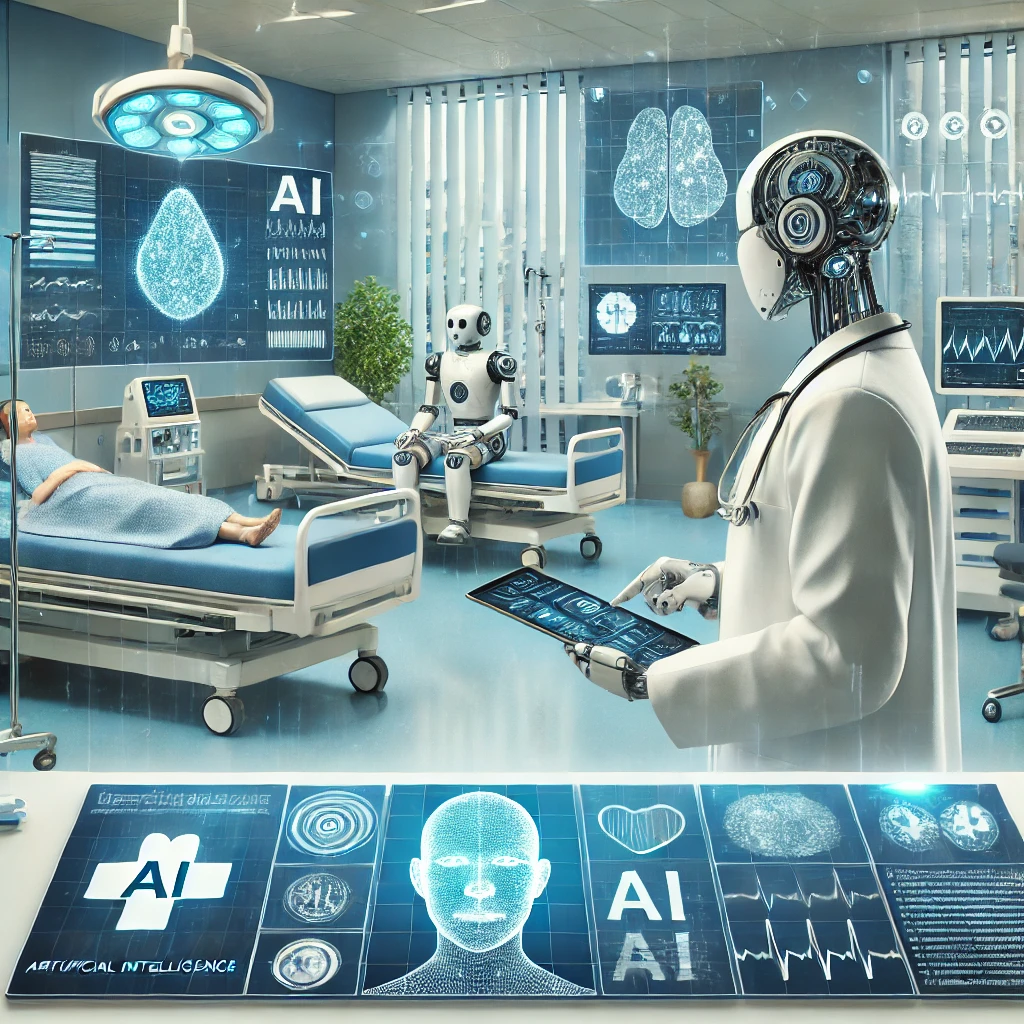
AI is revolutionizing the healthcare industry by providing powerful tools for diagnosing and treating diseases. AI-powered diagnostic systems, such as those used for cancer detection, can analyze medical data more accurately and quickly than traditional methods. For instance, Google DeepMind's AI algorithms have made significant breakthroughs in diagnosing eye diseases and cancers. Personalized treatment plans powered by AI also ensure more effective patient care.
Benefits:
Faster and more accurate diagnosis.
Personalized treatment options tailored to individuals.
Cost reduction in healthcare systems.
AI applications like IBM Watson are leading the way in medical advancements.
3. AI in Education (150 Words):
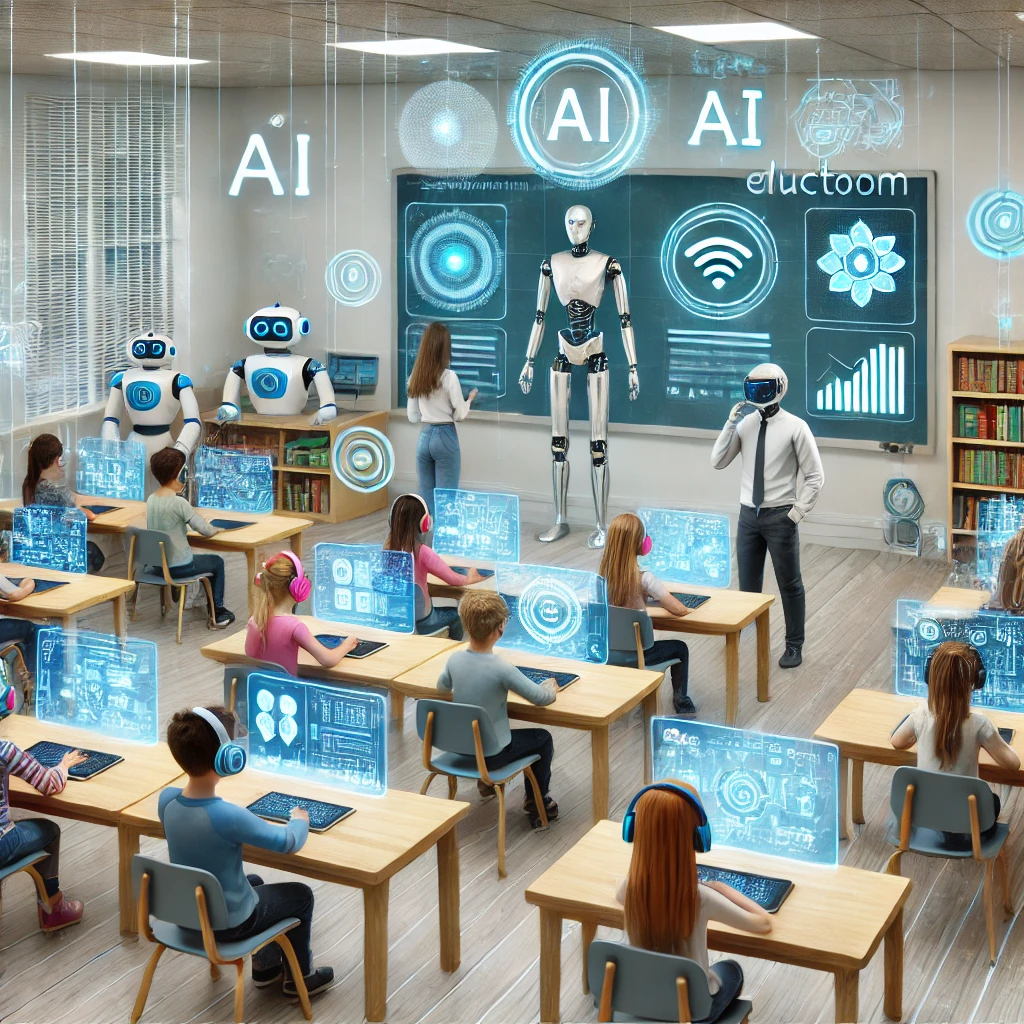
AI is transforming education by offering personalized learning experiences that cater to individual student needs. AI-powered platforms like ChatGPT can act as virtual tutors, answering questions and providing additional learning resources. Automated grading systems and AI-driven content creation help teachers focus on providing more value to students. This technology is also improving accessibility, as AI tools make learning more engaging and inclusive for people with disabilities.
Benefits:
Improved accessibility for students with different learning needs.
Personalized tutoring and feedback through AI.
Enhanced engagement through AI-powered tools.
AI-driven grading systems reduce teachers' administrative workload.
4. AI in Finance (150 Words):

AI is playing an essential role in the finance industry, enhancing everything from fraud detection to investment strategies. AI algorithms can detect suspicious activities in real-time, preventing fraudulent transactions. Robo-advisors, powered by AI, offer personalized financial advice, helping individuals make better investment decisions. AI-driven stock trading platforms can analyze market trends and execute trades faster and more efficiently than human traders.
Benefits:
Enhanced security through AI-powered fraud detection.
Better financial planning with AI-driven investment advice.
Faster and more accurate stock trading using AI algorithms.
5. AI in Transportation (150 Words):
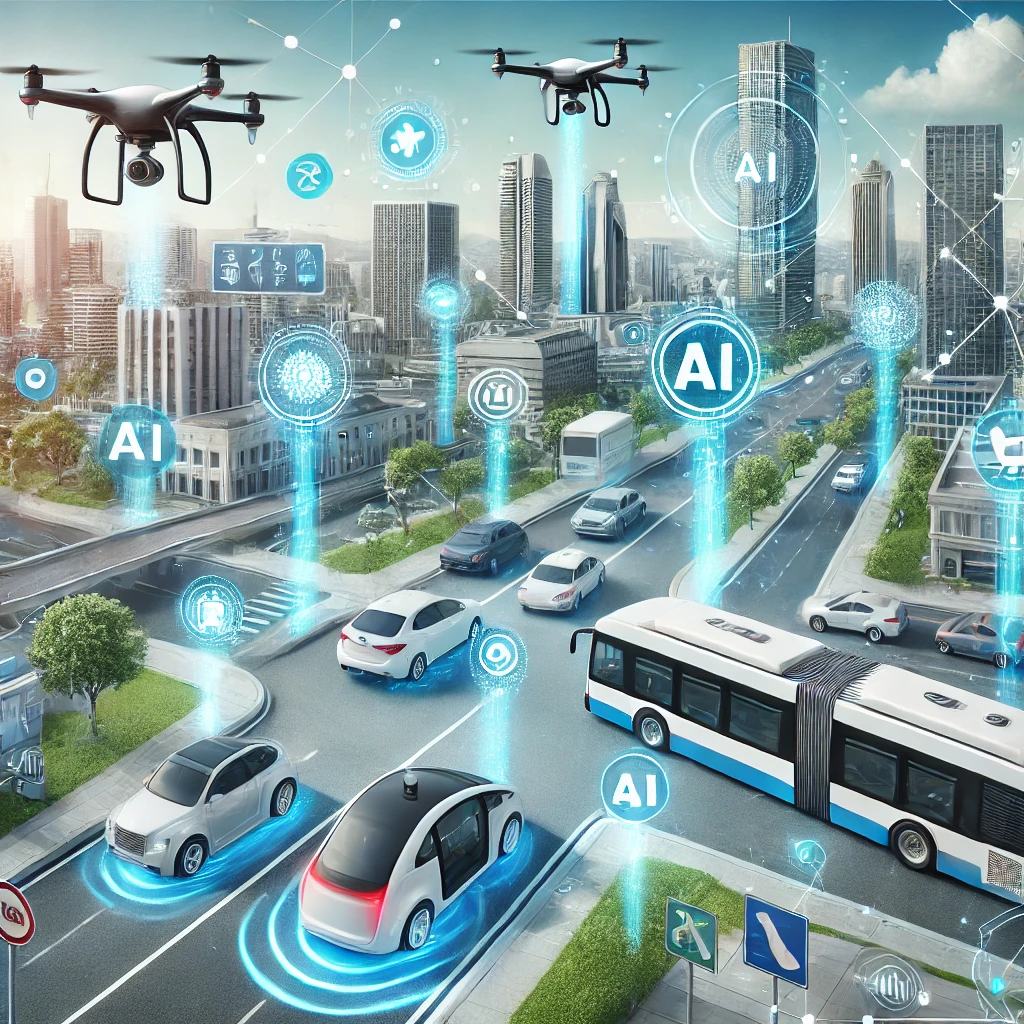
Self-driving cars, like those from Tesla and Google Waymo, are a prime example of AI transforming transportation. These vehicles use AI algorithms to navigate roads, reduce accidents, and improve fuel efficiency. AI is also improving traffic management, optimizing traffic flow in cities and reducing congestion. With the potential to revolutionize public transport and delivery systems, AI promises to make our travels safer and more efficient.
Benefits:
Reduced road accidents and fatalities.
Enhanced fuel efficiency through smarter driving.
Optimized traffic flow in urban areas.
Greater accessibility for people with disabilities.
6. AI in Entertainment (150 Words):
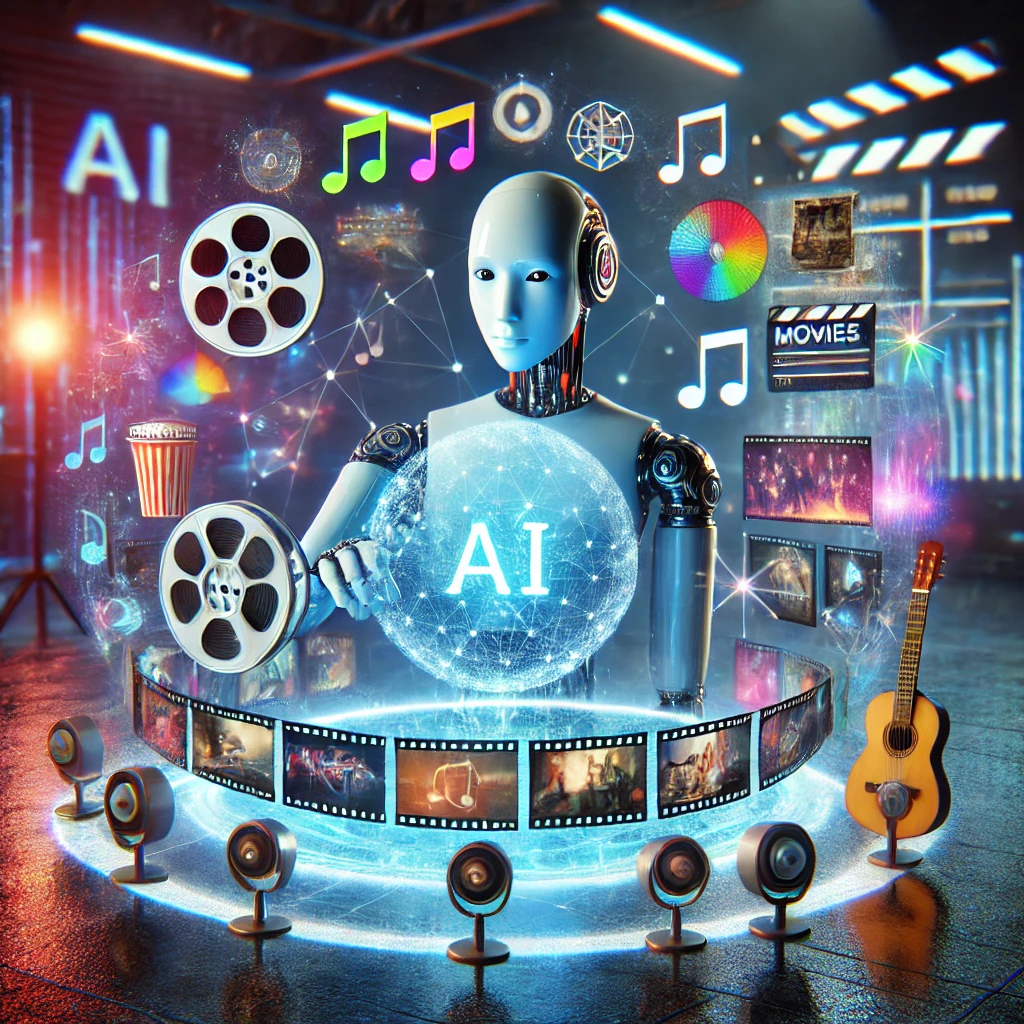
AI is changing the way we experience entertainment, from personalized content recommendations to AI-generated music and art. Streaming platforms like Netflix and Spotify use AI algorithms to suggest shows, movies, and music based on user preferences, creating a tailored entertainment experience. AI is also making waves in the creative industry, with AI-generated art and music offering new forms of artistic expression.
Benefits:
More personalized content discovery.
Enhanced user experience through AI-powered recommendations.
New possibilities in creative fields like AI-generated art and music.
7. Challenges and Ethical Concerns (150 Words):
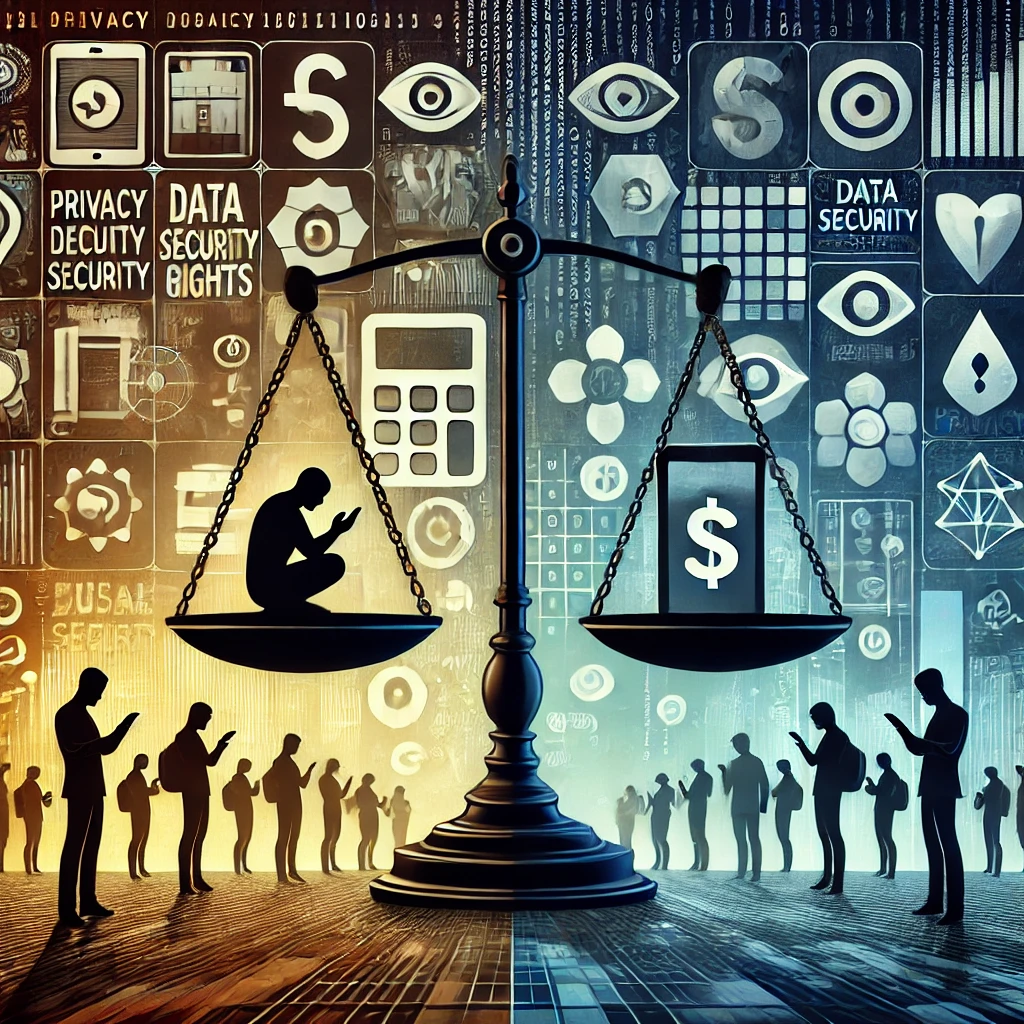
Despite its many advantages, AI presents several challenges and ethical concerns. One of the biggest issues is job displacement due to automation, as AI systems replace human workers in many sectors. Privacy is another major concern, as AI requires vast amounts of personal data, leading to questions about data protection. Additionally, AI algorithms can be biased, reflecting the prejudices of their creators.
How to Address These Challenges:
Developing policies for responsible AI deployment.
Ensuring transparency in AI decision-making.
Implementing ethical guidelines for AI development.
Protecting user data through stronger privacy measures.
Conclusion (100-150 Words):
Artificial Intelligence is not just a concept of the future—it's shaping the present. From healthcare and education to finance and entertainment, AI is streamlining processes and enhancing our daily lives. However, as we embrace the AI revolution, we must also be mindful of the ethical concerns that come with it, such as privacy, job displacement, and bias. The future of AI is bright, but it’s crucial that we approach it responsibly. As we navigate this exciting new era, we must ensure that AI serves humanity, not the other way around. Are we ready to adapt and thrive in this AI-driven world?
Call-to-Action (50 Words):
What do you think about the rise of Artificial Intelligence? Is it a boon or a bane for society? Share your thoughts in the comments below! Don’t forget to share this article with your friends and family so they can join the conversation and stay informed about the AI revolution.
About the Creator
Enjoyed the story? Support the Creator.
Subscribe for free to receive all their stories in your feed.
Comments
There are no comments for this story
Be the first to respond and start the conversation.