
Are Towel Warmers Worth It? What Homeowners Should Know Before Buying One
What Homeowners Should Know Before Buying One

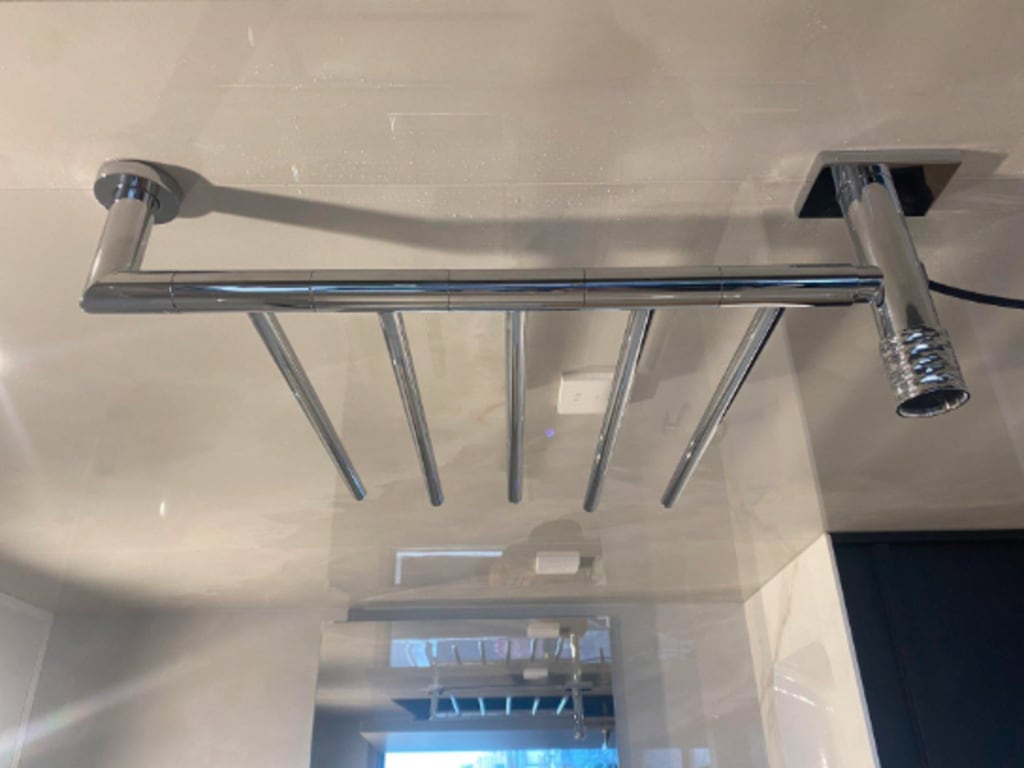
The useful answer to whether a towel warmer is worth it starts with a slightly boring question: where does the wet towel go now? If the current routine already works and the bathroom has no suitable wall, the purchase may add little. If towels stay damp, pile up, or hang far from the shower, the case is easier to make.
An electric towel warmer combines hanging space, warmth, and a visible piece of hardware. Those benefits vary with the household, so the decision should begin with use rather than a list of features. Measure the wall, count the towels, check the connection, and decide how often the unit would actually run.
Start with the problem in the room
A towel warmer makes the most sense in a bathroom where it will be used often. The value comes from repeated, modest benefits: a defined place for towels, a warmer surface after bathing, and a wall that looks planned rather than improvised. Those benefits are easy to assess because they relate to the household's existing routine. In practical terms, this is what it means to start with the problem in the room.
A seldom-used powder room may not need the same investment as a main bathroom or guest suite. The available wall space also matters. If the rack forces a poor layout, the upgrade has lost part of its purpose. A careful decision weighs frequency of use, towel capacity, installation work, design fit, and the features of the actual model. A buyer comparing are towel warmers worth it options can use these details to remove unsuitable choices before discussing style. A useful choice is one that still makes sense after the first impression has worn off. That is the practical reason to start with the problem in the room.
Compare the product to the wall
The useful buying questions are plain: how many towels need a place, where will the unit go, what power connection is available, and which finish belongs with the room? After those are answered, the buyer can compare design, controls, and collection options. Starting with appearance alone often pushes the difficult decisions into the installation stage. In practical terms, this is what it means to compare the product to the wall.
It is also worth separating product category claims from model facts. A towel warmer may support drying and add comfort, but its performance depends on size, construction, controls, towel placement, room conditions, and running time. The model sheet and installation instructions deserve more weight than a broad sales phrase. That is especially true for a permanent wall-mounted product. When the decision involves electric towel warmer, these checks connect the design to a product that works in daily use. This is where measurements and everyday habits deserve equal weight. That is the practical reason to compare the product to the wall.
For supporting product information, review electric towel warmer guide. Confirm the current model details before ordering or installation.
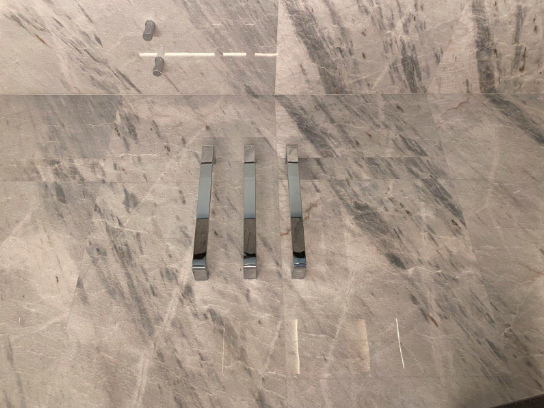
Plan the installation before ordering
Start with the wall elevation and an actual bath towel. Check the available width, the hanging length, the nearest switch, the door swing, and the route people take between the shower and vanity. Product dimensions alone do not show whether a towel will brush the floor or crowd a walkway. A quick full-scale tape outline often reveals problems that are hard to see on a small plan. In practical terms, this is what it means to plan the installation before ordering.
The mounting surface matters as well. A wall-mounted unit needs suitable support and a location that works with the finished tile or stone layout. These decisions are easier while the wall is open and the electrical plan can still change. Once the finish is installed, even a small adjustment may involve several trades and leave an awkward patch. Homeowners researching heated towel rack can use these details to keep the bathroom decision practical. It is easier to correct a drawing now than to move a fixture after the wall is finished. That is the practical reason to plan the installation before ordering.
Before sign-off, print the wall elevation and place the current product drawing beside it. Add the towel length, control location, and the nearest door, cabinet, or glass panel. Someone who has not followed every design meeting should still be able to see how the product fits. That review is useful when comparing are towel warmers worth it because it turns the final choice into a checkable plan. This final check often catches conflicts that are easy to miss on a finishes schedule.
A practical conclusion
Towel warmers are worth considering when they solve a repeated towel problem and fit the room cleanly. The right answer comes from the household's routine, the model specification, and the installation work required. It does not come from a universal yes or no.
The official P&Bhusri resources provide additional brand, collection, or project context for the next stage of comparison.
Frequently asked questions
Can a towel warmer dry a wet towel?
It can support drying when the towel has good contact with the heated surface and enough open air around it. Results depend on the fabric, room humidity, rail spacing, product output, and running time. Hang the towel promptly and keep the bathroom ventilation working. Check that answer against the actual room before trying to start with the problem in the room.
How can I estimate electricity use?
Find the model's rated power and multiply it by the expected running time. Convert watts to kilowatts before calculating kilowatt-hours, then apply the local electricity rate. A useful estimate needs the actual model and routine, so a single cost figure cannot cover every installation. Keep the answer tied to the selected are towel warmers worth it when you compare the product to the wall.
What size towel warmer should I choose?
Measure the clear wall and the towels, then count how many towels must hang at once. Check switches, trim, doors, shower glass, and reach. Compare those measurements with the current model drawing rather than choosing by room area alone. Use the current model instructions as you plan the installation before ordering, especially when a detail changes with product configuration.
About the Creator
Gulshan
SEO Services, Guest Post & Content Writter.
Enjoyed the story? Support the Creator.
Subscribe for free to receive all their stories in your feed.
Comments
There are no comments for this story
Be the first to respond and start the conversation.