
A Simple Guide To Blinds For Noise Control
Reducing Indoor Noise With Blinds That Actually Work

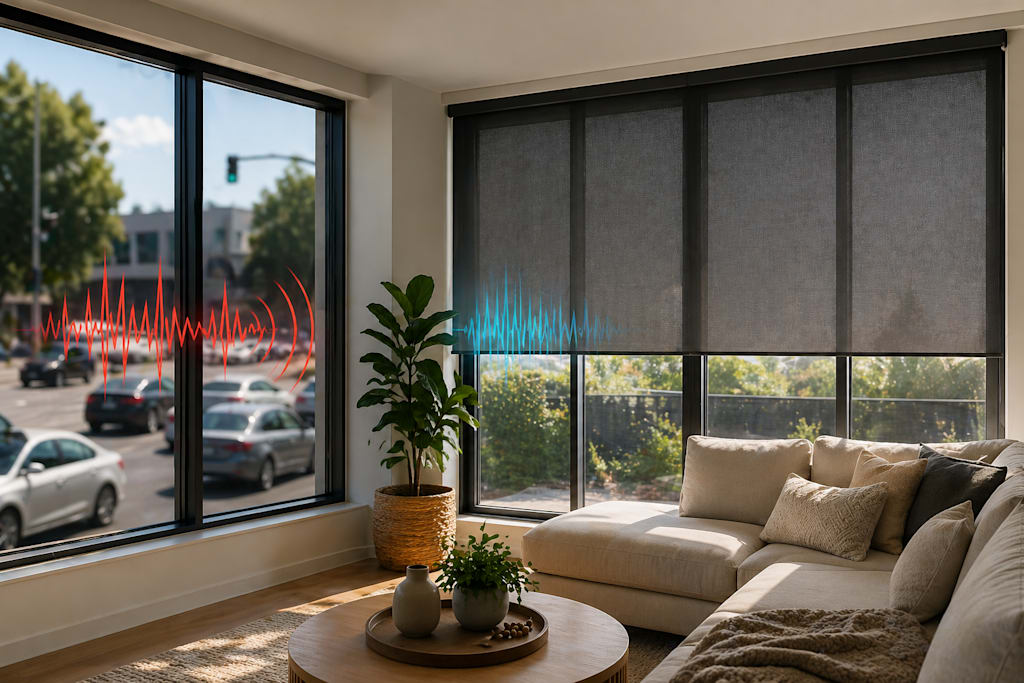
It often starts with something small. The hum of traffic late at night, neighbours chatting on a balcony, or early morning construction that cuts through your sleep. Over time, these everyday sounds build into a constant distraction that affects comfort, focus, and even rest. Many people look to walls or windows for solutions, but overlook a simple upgrade that can make a real difference.
This is where Outdoor blinds can play a valuable role. While they are typically known for privacy, shade, and weather protection, they can also help reduce the amount of sound entering a room. Blinds are not a complete soundproofing solution, but when chosen and installed correctly, they can noticeably improve comfort by lowering noise levels.
What Is Soundproofing And Why Blinds Help
Soundproofing refers to reducing the amount of sound that travels from one space to another. It is important to understand that most home solutions focus on minimising noise rather than eliminating it entirely. Sound travels through air and solid surfaces, and glass windows allow a significant amount of that sound to pass through.
Blinds act as an extra layer between the outside and inside. They help absorb some of the sound energy and reduce how much noise enters the room. The effectiveness of blinds depends on factors like material thickness, density, and how well they cover the window area. By adding this extra barrier, blinds can make a noticeable difference in how quiet a space feels.
How Blinds Reduce Noise In A Room
Blinds reduce noise through a combination of absorption, blocking, and insulation. Thick materials absorb sound waves, preventing them from bouncing around the room. This reduces echo and softens harsh noises.
They also provide a level of blocking. Dense fabrics create resistance that limits how much sound passes through. The heavier the material, the more effective it tends to be.
Another important factor is insulation. Blinds create a small air gap between the window and the room. This gap helps reduce sound vibrations, which further limits noise transfer.
Proper installation is just as important as the material itself. Blinds that fit tightly and cover the entire window perform much better than loosely fitted options. When combined with other sound-reducing methods, blinds can significantly improve indoor comfort.
Types Of Blinds That Work Best For Soundproofing
Outdoor Blinds
External blinds are highly effective because they stop sound before it reaches the window. This makes them ideal for reducing traffic noise and general outdoor disturbances. They also provide added benefits such as weather protection and durability.
Outdoor Roller Blinds
Outdoor roller blinds are designed to fit closely against windows, which helps reduce gaps where sound can enter. Their structure allows for thicker fabrics and guided tracks, making them a strong option for noise reduction in both homes and commercial spaces.
Outdoor Balcony Blinds
For apartment living, outdoor balcony blinds are especially useful. They act as a buffer between your living space and the outside environment. This can help reduce noise from nearby roads, neighbours, or shared spaces while also improving privacy and comfort.
Outdoor Blinds Sydney
In busy areas like outdoor blinds sydney, where urban noise is more noticeable, sound-reducing window treatments are in higher demand. Blinds offer a practical solution for improving indoor comfort without major renovations.
Materials That Improve Soundproofing Performance
The material used in blinds plays a major role in how well they reduce noise. Heavier and denser materials are more effective at blocking sound. Lightweight fabrics may look good, but they do very little to stop noise.
Common materials used in sound-reducing blinds include thick polyester, foam-backed fabrics, and insulated textiles. These materials are designed to absorb sound energy rather than allowing it to pass through.
Layered construction is another important feature. Blinds with multiple layers provide better insulation and improved sound absorption. Some advanced materials even convert sound energy into a small amount of heat, which helps reduce noise levels inside the room.
Installation Techniques That Maximise Noise Reduction
Even the best blinds will not perform well if they are not installed correctly. Gaps around the edges allow sound to leak through, reducing the overall effectiveness.
To achieve better results, blinds should cover the entire window area. Mounting them close to the frame or wall helps limit sound entry points. A snug fit is essential for improving performance.
Combining blinds with other elements such as curtains or window seals can further enhance noise reduction. The goal is to create as many barriers as possible between the noise source and the interior space.
Combining Blinds With Other Soundproofing Methods
Blinds work best when used alongside other soundproofing techniques. On their own, they reduce noise, but combining them with additional solutions creates a stronger barrier.
Thick curtains can add another layer of absorption, while window sealing prevents sound from slipping through small gaps. Double glazing or window inserts can further reduce noise by strengthening the window itself.
By layering these solutions, you can achieve a noticeable improvement in sound control. This approach is especially useful in high-noise environments where a single solution may not be enough.
Common Mistakes To Avoid When Using Blinds For Soundproofing
A common mistake is choosing blinds based only on appearance. Decorative or lightweight blinds offer very little noise reduction.
Another issue is poor installation. Even small gaps can allow sound to pass through easily. Many people also expect complete silence, which is unrealistic for most home solutions.
Ignoring other sources of noise, such as walls or doors, can limit the overall effectiveness of blinds. Taking a broader approach to soundproofing will always deliver better results.
How To Choose The Best Outdoor Blinds For Noise Reduction
Selecting the best outdoor blinds for soundproofing involves considering several key factors. Material thickness is one of the most important, as denser fabrics provide better noise reduction.
Fit and coverage also play a major role. Blinds should fully cover the window and minimise gaps. Layered or insulated designs are ideal for improving performance.
Installation method matters as well. Tightly fitted systems offer better results than loose or poorly mounted options. Different environments may require different solutions, so it is important to choose blinds that suit your specific needs.
Unexpected Benefits Of Soundproof Blinds
In addition to reducing noise, blinds offer several other benefits. They improve thermal insulation, helping keep rooms cooler in summer and warmer in winter.
They also enhance privacy and give you better control over light levels. This makes them a practical choice for bedrooms, living areas, and workspaces.
Conclusion
Blinds are a simple yet effective way to reduce noise in a room. While they do not completely block sound, they can make a noticeable difference in everyday comfort.
The key to success lies in choosing the right materials, ensuring proper installation, and combining blinds with other soundproofing methods. With the right approach, you can create a quieter and more comfortable living space without major structural changes. Working with an experienced outdoor blinds specialist can also help ensure you achieve the best possible results for your space.
About the Creator
HomeWorx Australia
Create the perfect ambiance for your home or business space with our wide range of outdoor blinds and shading solutions. Contact Homeworx Australia today to buy outdoor blinds at the best price.
Enjoyed the story? Support the Creator.
Subscribe for free to receive all their stories in your feed.
Comments