
7 Ways Tankless Water Heaters Can Help Lower Utility Bills
Why more homeowners are switching to tankless systems to cut energy costs and reduce waste
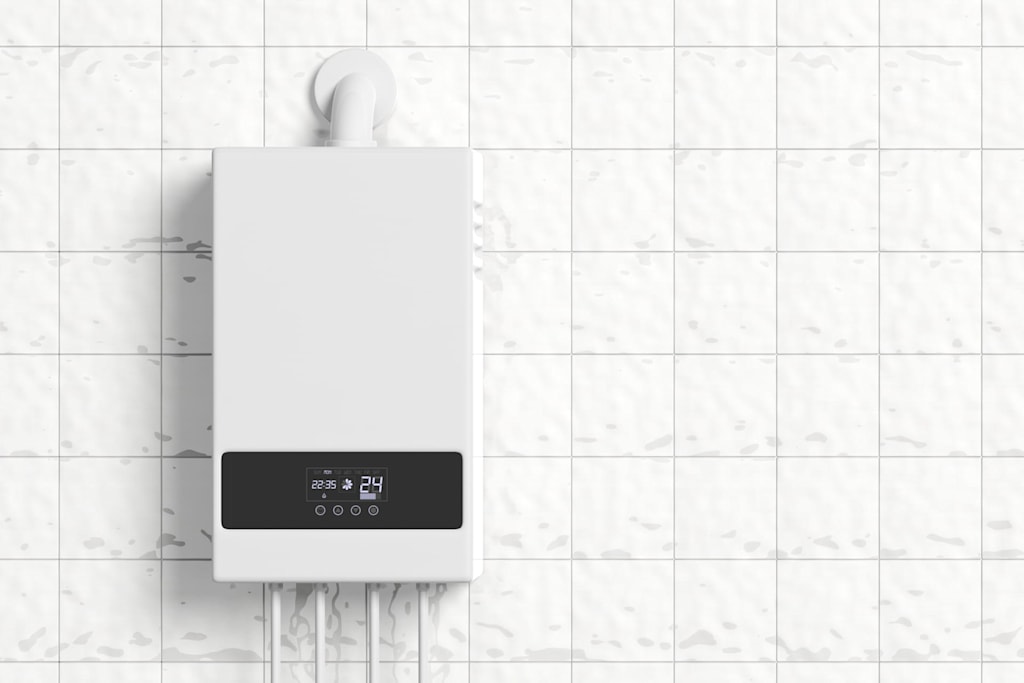
Utility bills keep climbing, and many homeowners are looking for smarter ways to manage energy use at home. Water heaters are one of the biggest sources of energy consumption. Older tank systems constantly heat water all day long. That ongoing cycle wastes energy, even when nobody is using hot water.
More homeowners are now turning to tankless water heaters because they heat water only when it’s needed. That simple change can lower energy use, reduce water waste, and improve efficiency throughout the home. Over time, those savings can become noticeable.
- Traditional tanks continuously reheat stored water
- Tankless systems work only when hot water is needed
- Modern systems focus on efficiency and reduced waste
Why Tankless Water Heaters Can Reduce Costs
Many households notice lower utility bills after replacing an older water heater with a tankless model. Instead of storing and reheating gallons of water throughout the day, tankless systems respond only when hot water is requested. That means less wasted energy during inactive hours.
Homes with changing hot water demands often benefit the most. Families who use hot water at different times during the day typically see fewer spikes in energy usage. The system works smarter. Not harder.
- On-demand heating reduces unnecessary energy use
- Lower energy spikes help stabilize utility costs
- Efficient performance cuts long-term waste
1. Tankless Systems Use Less Energy
Tankless water heaters heat water only when a faucet, shower, or appliance calls for it. Traditional tanks keep water hot around the clock, even when nobody is using it. That constant reheating adds up fast over the course of a month.
According to the U.S. Department of Energy, homes with lower hot water usage can see energy efficiency improvements of up to 34 percent with tankless systems. Lower energy use often leads directly to lower monthly bills.
- Water heats only when needed
- Energy use drops during inactive hours
- Smaller households often see strong efficiency gains
2. They Eliminate Standby Heat Loss
Traditional water heaters lose heat throughout the day because hot water sits inside the tank waiting to be used. Even insulated tanks lose warmth over time. When that happens, the system turns back on to reheat the water again and again.
Tankless systems avoid this issue because they do not store hot water. No storage means no standby heat loss. That difference can make a measurable impact on energy costs.
- Tank systems constantly reheat stored water
- Heat escapes even with insulation
- Tankless models remove standby heat loss completely
3. Monthly Utility Bills Often Drop
Lower energy consumption usually means lower utility bills. Tankless systems reduce the amount of wasted energy during everyday use, which helps many homeowners save money month after month.
The U.S. Department of Energy estimates that households can save between 8 and 14 percent on energy costs after switching to tankless systems. A master plumber with DiMarco Plumbing explains, “When a system heats water only as it’s needed, homeowners avoid the constant energy drain that pushes utility costs higher over time.”
- Fewer heating cycles reduce energy costs
- Efficient operation cuts unnecessary usage
- Savings build steadily over time
4. Less Water Gets Wasted
Many tankless systems deliver hot water faster than traditional tanks. That means homeowners spend less time waiting for water to warm up at sinks and showers. Less waiting usually means less water going down the drain.
This can be especially helpful in homes with longer plumbing lines. Faster hot water delivery reduces waste and improves efficiency at the same time.
- Hot water reaches fixtures more quickly
- Less water runs unused during warm-up
- Reduced waste lowers combined utility costs
5. Tankless Water Heaters Last Longer
Traditional water heaters often need replacement after 10 to 12 years. Tankless systems can last 20 years or longer with proper maintenance. That longer lifespan reduces replacement costs and lowers the chances of unexpected breakdowns.
Longer-lasting equipment also creates fewer disruptions for homeowners. Replacing a water heater is expensive. Avoiding that expense matters.
- Longer lifespan reduces replacement frequency
- Durable parts handle extended use better
- Long-term ownership costs stay lower
6. Maintenance Costs Are Usually Lower
Storage tanks are more likely to develop corrosion and sediment buildup because water remains inside the system for long periods. Over time, that wear can lead to leaks, inefficiency, and costly repairs.
Tankless systems avoid many of those issues because water moves through the unit instead of sitting still. Many parts can also be repaired or replaced individually instead of replacing the entire system.
- Less internal corrosion compared to tanks
- Replaceable parts extend system life
- Routine maintenance is often simpler
7. Compact Designs Save Space
Tankless water heaters take up far less space than traditional storage tanks. Most units mount directly to the wall, which frees up floor space in garages, closets, and utility rooms.
The smaller design also gives homeowners more flexibility when choosing installation locations. In some cases, placing the unit closer to fixtures can improve efficiency even further.
- Wall-mounted systems save space
- Flexible placement improves efficiency
- Smaller footprints fit modern homes better
Real Savings Add Up Over Time
Many homeowners notice the biggest difference during periods of heavy hot water use. Families with multiple showers, laundry loads, and dishwashing cycles throughout the day often see more consistent energy usage after switching to tankless systems.
Homeowners often save money not only through energy efficiency but also through fewer repairs and longer equipment life. Small improvements across several areas can create meaningful long-term savings.
- Energy use becomes more consistent
- Repair costs often decrease over time
- System performance stays reliable
Why Tankless Systems Make Financial Sense
Tankless water heaters lower your bills in several ways at once. They reduce wasted energy, cut water loss, and last much longer than many traditional systems. Those combined benefits continue building year after year.
While installation costs may be higher upfront, many homeowners find the long-term savings worth the investment. Better efficiency creates steady value over time.
- Multiple efficiency improvements increase savings
- Fewer breakdowns reduce surprise expenses
- Long-term ownership costs stay manageable
Key Takeaways About Tankless Water Heaters
Tankless water heaters help homeowners lower utility costs by improving efficiency across daily water use. Instead of heating water continuously, these systems operate only when needed. That change alone can significantly reduce waste.
Longer equipment life, lower maintenance needs, and reduced water waste add even more financial value over time. For many households, the savings become noticeable sooner than expected.
- On-demand heating reduces wasted energy
- No standby heat loss lowers hidden costs
- Faster hot water delivery reduces water waste
- Longer lifespan lowers replacement expenses
- Simpler maintenance helps reduce repair bills
About the Creator
Enjoyed the story? Support the Creator.
Subscribe for free to receive all their stories in your feed.
Comments
There are no comments for this story
Be the first to respond and start the conversation.