
Zero-Emission RTGs: The rise of Lithium-ion battery-powered fleets
Powering a Greener Future with Next-Generation Battery Technology
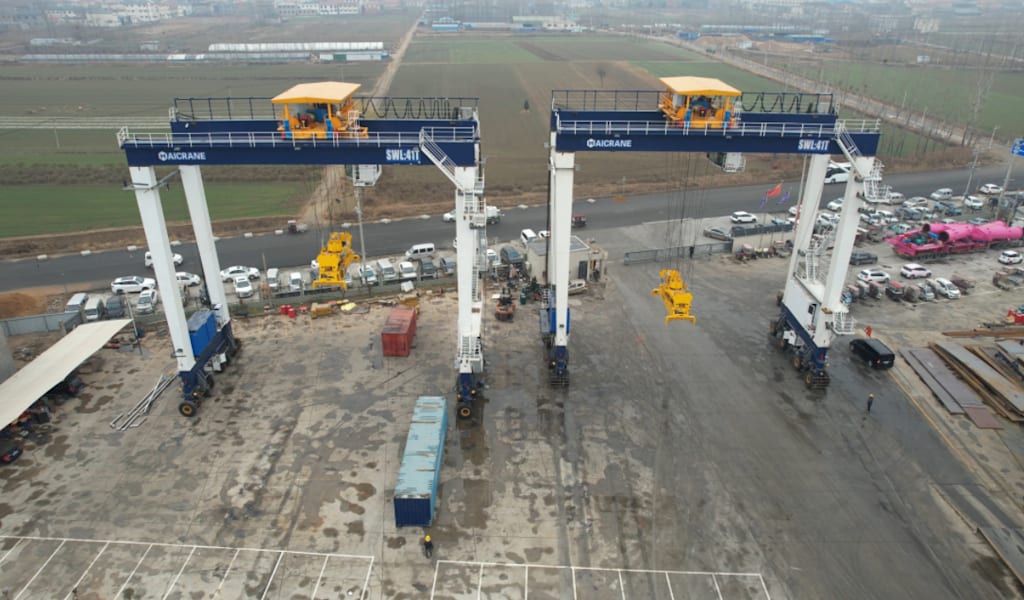
The global industrial landscape is undergoing a tectonic shift. From the bustling corridors of international shipping hubs to the heavy-duty yards of precast concrete plants and steel fabrication facilities, the mandate is clear: decarbonize or be left behind. Central to this transformation is the Rubber Tyred Gantry (RTG) crane. Traditionally powered by loud, carbon-intensive diesel generators, the new generation of RTGs is turning to a cleaner, quieter, and more efficient heart—the Lithium-ion (Li-ion) battery.
The rise of Li-ion battery-powered RTG fleets represents more than just an environmental upgrade; it is a fundamental reimagining of how heavy lifting equipment operates in a world focused on sustainability and operational intelligence.
The Technology: Why Lithium-ion?
For decades, the only alternative to pure diesel power was lead-acid batteries or tethered electric systems. However, lead-acid batteries were too heavy and slow to charge for the grueling 24/7 cycles of industrial yards. The breakthrough came with the industrialization of Lithium-ion technology.
Li-ion batteries offer several critical advantages for RTG applications:
High Energy Density: They pack more power into a smaller, lighter footprint, essential for maintaining the RTG’s mobility and structural balance.
Fast Charging and "Opportunity Charging": Unlike older battery tech, Li-ion can be charged during short breaks or shift changes without degrading the battery life.
Deep Discharge Cycles: They can be depleted and recharged thousands of times, making them suitable for the decade-long lifespans expected of heavy machinery.
In a zero-emission RTG, the massive diesel genset is replaced by a high-capacity battery rack. This battery powers the electric motors for the hoist, trolley, and gantry travel, creating a fully integrated, silent, and carbon-free powertrain.
The Economic Catalyst: Beyond Environmentalism
While "going green" is a powerful motivator, the transition to Li-ion RTG fleets is being driven equally by the bottom line. The total cost of ownership (TCO) for a battery-powered RTG is increasingly superior to its diesel counterparts.
1. Radical Maintenance Reduction
A diesel engine is a complex assembly of thousands of moving parts, all operating under high heat and pressure. It requires frequent oil changes, filter replacements, and specialized exhaust treatments to meet Tier 4 or Stage V emission standards.
By contrast, an electric drivetrain powered by Li-ion batteries is remarkably simple. With no engine, fuel system, or complex cooling radiators, maintenance requirements drop by as much as 50% to 70%. This translates directly into higher equipment uptime and lower labor costs.
2. Energy Efficiency and Regeneration
Diesel engines are notoriously inefficient, especially during the frequent idling periods common in yard operations. A battery-powered RTG consumes zero energy when standing still.
Furthermore, Li-ion systems excel at Energy Regeneration. When an RTG lowers a heavy load—such as a 40-ton container or a massive precast concrete segment—the hoist motor acts as a generator, converting gravitational potential energy back into electricity. In a battery-powered system, this energy is captured and stored back in the Li-ion cells. This "circular" energy use can reduce overall power consumption by up to 30%, a feat impossible for traditional diesel units.
Operational Advantages: Silence and Precision
The benefits of Li-ion fleets extend into the daily experience of the workforce and the surrounding community.
Noise Pollution Mitigation
Traditional RTGs are a major source of noise pollution. For facilities located near urban areas or residential zones, noise complaints can limit operational hours. Battery-powered RTGs operate with a soft electric hum. This not only makes the facility a better neighbor but also improves safety on the ground. Workers can hear ambient sounds and verbal communication more clearly, reducing the risk of accidents.
Precision and Responsiveness
Electric motors provide instantaneous torque. For an RTG operator, this means more responsive controls and smoother lifting cycles. The lack of engine vibration also reduces structural fatigue on the crane itself and physical fatigue for the operator in the cabin. In an industry where precision is paramount—such as positioning heavy steel components or stacking delicate cargo—the stability of a battery-powered system is a significant asset.
Addressing the Challenges: Infrastructure and Charging
The transition to a zero-emission fleet is not without its hurdles. The primary challenge is the "charging infrastructure." Unlike diesel, which can be refilled in minutes with a mobile tanker, Li-ion RTGs require dedicated charging stations.
Terminal operators are currently adopting two main strategies:
Stationary Charging Stations: Strategically placed "plug-in" points where the RTG parks during breaks.
Automated Charging (Pantographs): Overhead charging arms that descend to connect with the RTG automatically when it is positioned in a specific bay.
While the initial capital expenditure (CAPEX) for this infrastructure is higher than for a diesel-based yard, the long-term operational savings (OPEX) generally lead to a break-even point within 3 to 5 years, depending on local electricity costs and usage intensity.
The Global Trend: From Ports to Industrial Yards
While the "Zero-Emission RTG" movement started in major global ports like Rotterdam, Singapore, and Qingdao, the trend is rapidly trickling down to private industrial sectors.
Precast concrete manufacturers and heavy steel distributors are realizing that Li-ion RTG movable gantry cranes allow them to operate indoors or in semi-enclosed warehouses without the buildup of hazardous exhaust fumes. This versatility opens up new possibilities for facility layout and workflow optimization that were previously restricted by the ventilation requirements of diesel engines.
Conclusion: The Future is Electric
The rise of Lithium-ion battery-powered RTG fleets is an inevitable evolution. As battery costs continue to fall and energy density continues to rise, the argument for maintaining a diesel fleet becomes harder to defend.
For terminal managers and industrial facility owners, the move to zero-emission RTGs is a strategic play. It protects the operation against future carbon taxes, satisfies the sustainability demands of global clients, and provides a quieter, more efficient, and more profitable way to move the world's heaviest loads.
The "roar" of the industrial yard is fading, replaced by the quiet, efficient hum of the electric future. In the race toward 2030 and beyond, the Li-ion powered RTG is no longer an outlier—it is the new standard of excellence.
About the Creator
Aicrane01
Welcome to the Aicrane Blog, your practical guide to lifting solutions. Discover articles covering overhead cranes, gantry cranes, winches, steel structures, boat lifts, and more.
Website: https://steelmillcranes.com/
Enjoyed the story? Support the Creator.
Subscribe for free to receive all their stories in your feed.
Comments
There are no comments for this story
Be the first to respond and start the conversation.