
You Asked the Universe for a Sign, Here Are 10 Ways It Might Answer
Finding meaning in coincidence without surrendering your judgment.


You ask for guidance about a relationship, a job offer, or a money decision. Then an old song plays, a friend sends an unexpected message, or the same number seems to appear everywhere. When you ask the universe for a sign, ordinary moments can feel charged with meaning.
Some people call these experiences signs or synchronicities. Others see intuition, attention, and the mind's hunger for patterns. Both views can leave room for reflection, as long as a striking moment doesn't take control of an important choice.
The ten possibilities below can help you notice what a moment stirs in you, then respond with clear eyes.
You Asked the Universe for a Sign: How to Notice an Answer
In everyday spiritual language, a sign is an event that feels personally timed and meaningful. It might be a phrase overheard on the train after a hard conversation or a sudden opportunity that appears after months of waiting.
Psychologist Carl Jung used the term "synchronicity" for meaningful coincidences that have no obvious causal link. His idea of an acausal connecting principle joined an inner experience with an outer event. Personal meaning, however, doesn't prove that an outside force arranged the event.
Say you have been thinking about an old friend all week. Then their name lights up your phone. The timing may feel electric. It may also reflect that relationships matter to you more than you had admitted.

The point isn't to settle anyone's spiritual beliefs. A useful sign can open a private question without taking over your judgment.
A meaningful coincidence can reveal what has your attention, even when it cannot prove what will happen next.
Ten Ways the Universe Might Answer Your Question
When you ask the universe for a sign, treat what follows as a prompt, not a command. The moment may highlight a feeling or value that deserves further consideration.
A Coincidence That Feels Too Timely to Ignore
1. Someone appears in your mind before they call.
You may think of a former coworker before they reach out with a job lead. Or you may ask for relationship clarity, then hear an unrelated conversation about boundaries. Timing gives the event its force.
Before attaching a prediction to it, ask what the coincidence brings forward. Perhaps you miss the person. Perhaps the topic has already been circling in your mind. Either answer can guide an honest next step.
2. A symbol keeps returning.
Numbers, birds, colors, song lyrics, and repeated words often become personal symbols. Maybe you notice the same yellow butterfly after each difficult decision. The image may feel like a private nudge.
Repetition can also grow through attention bias. Once your mind flags something, you spot it more often. Rather than looking for a universal code, consider asking: What does this symbol make me feel? The answer may reveal a fear, hope, or memory.
A Gut Feeling or Dream That Brings Something to the Surface
3. A calm instinct tells you to pause.
Intuition is often rapid pattern recognition built through experience. A seasoned manager may sense trouble in a vague job offer because its terms resemble past disappointments. That reaction deserves investigation.
A steady inner warning differs from a rush of panic, fantasy, or excitement. Write down what you noticed before you felt the instinct. Then look for facts that either support or challenge it.
4. A vivid dream keeps replaying.
A recurring dream about missing a train may arrive while you are avoiding a career decision. A dream about an empty wallet may show up during a stressful debt payoff plan. Dreams can bring waking concerns into sharper focus.
They don't reliably predict events. Still, recording the dream, its strongest emotion, and your current stressors can make its message more practical. You may discover that the dream asks for rest, a conversation, or a plan.
A Conversation or Message That Arrives at the Right Moment
5. A person says what you needed to hear.
A casual lunch can become memorable when someone names the concern you have been avoiding. Perhaps a friend describes leaving a draining role, and yoyourize your own exhaustion. Their words may provide shape to something you already knew.
Social input can test your thinking. Ask whether the advice fits your circumstances, not only your mood. The most constructive conversations leave you with clearer questions, not blind certainty.
6. The same idea appears in several places.
You might see a book title, hear a lyric, and notice a podcast topic that all touch on starting over. Recent and vivid information is easier to notice and remember, so the pattern may build partly inside your attention.
Still, repeated messages can spotlight a real priority. An EBSCO overview of synchronicity describes Jung's idea as a meaningful coincidence. Let the idea prompt research and conversation, especially if it touches your career or finances.
An Opportunity That Opens or a Door That Keeps Closing
7. An opening arrives at the right time.
A recruiter calls after you update your resume. A colleague invites you into a promising collaboration. You find a useful book while learning how to invest. These moments can feel fated because preparation meets timing.
An opening still needs to be assessed. Consider the pay, workload, cost, risk, and fit with your goals. Opportunity is information, not an order to say yes.
8. The same path keeps getting blocked.
A delayed loan approval, a missed deadline, or a failed interview can feel like a setback. Occasionally the setback asks you to revise a plan, build a skill, or wait for better conditions.
However, obstacles often have ordinary causes. A lender may reject an application because of debt-to-income ratios, not because the universe has ruled out homeownership. Look at the constraint, then decide whether to adjust, appeal, prepare, or move on.
A Body Signal or Pattern That Appears After You Ask
9. Your body reacts before your thoughts catch up.
Calm, tension, heaviness, or agitation can offer useful information. A tight chest before signing a contract may point to unresolved doubts. When you feel relief after setting a boundary, it can indicate that the choice fits your needs.
Body cues need context. Anxiety can resemble intuition, while excitement can imitate certainty. Sleep, stress, trauma, and time pressure all shape your physical response. Slow breathing, a night's rest, and a second look at the facts can separate alarm from insight.
10. Your attention becomes sharper after the question.
Once you ask for direction, your mind scans daily life for related clues. You notice job listings, budget tips, couples arguing at restaurants, or stories about people changing course. That shift can clarify what matters to you.
Ordinary events don't need to be arranged for you to learn from them. A general overview of synchronicity can offer historical context, but your response matters more. Notice the pattern, then choose what you will do with it.
Why Coincidences Can Feel Like Messages From the Universe
The human brain is built to find connections. That skill helps you recognize faces, learn routines, and spot risk. It can also make unrelated events look linked when you are searching for an answer.
Confirmation bias makes supporting evidence stand out. If you hope an ex will return, their message may feel like proof, while months of silence fade into the background. Selection bias works similarly because you notice and remember the dramatic hits, not every ordinary day without one.
Apophenia is the tendency to perceive patterns in random information. Availability bias gives extra weight to scenes that are recent, emotional, or easy to recall. Then narrative construction turns scattered details into a story with a beginning, middle, and expected ending.
Coincidences also become likely when life contains thousands of thoughts, messages, dreams, conversations, and encounters. A familiar number will eventually appear again. A song about heartbreak will eventually play after a breakup.
Try this test: What conclusion would I draw if the opposite event had happened? If a missed call means "don't reach out," would a returned call automatically mean "you are meant to be together"? A fair answer loosens the grip of a convenient story.
Psychology doesn't erase personal meaning. It gives you room to honor a moment without mistaking it for proof.
When a Sign Feels Urgent, Slow Down
Urgency is a poor substitute for clarity. Be wary of any sign that seems to demand an immediate purchase, a sudden investment, a risky move, or silence about an The same emotions that make signs feel powerful—fear, hope, scarcity, and the promise of special knowledge—are often exploited by scammers. of special knowledge. A social media post about a "once-in-a-lifetime" stock tip is not evidence. A stranger's prediction about your financial future is not a financial plan.
Put distance between the feeling and the decision. Sleep on it, talk it over with someone steady, and check the source. A good choice can withstand a pause.
How to Use a Sign Without Letting It Make the Decision for You
Asking the universe for a sign can reveal what you want, fear, or avoid. The useful part begins after the moment catches your attention.
Use this short process before you act:
Name what happened, using plain details before assigning meaning.
Record the question you asked and the feeling the event created.
Seek evidence that supports the action you want to take.
Consider ordinary explanations and notice whether you are collecting only confirmations.
Choose a small, reversible next step when possible.
Ask yourself: Does this point to a concrete action? What facts support that action? Am I noticing only confirmations? Would I advise a friend to do the same?
A sign may encourage you to call a friend, update a resume, or research a savings account. It should not replace a clear decision process.
Major Money Choices Require Facts
Money decisions have real costs, timelines, and consequences. Before investing, borrowing, changing jobs, buying a home, or withdrawing retirement funds, review the numbers.
Build a budget, compare rates and fees, read the terms, and consider the downside. A fee-only financial planner, tax professional, attorney, or licensed health professional can help when the choice carries serious risk.
Your feelings belong in a financial decision because they reveal your priorities. They should sit beside evidence, not above it.
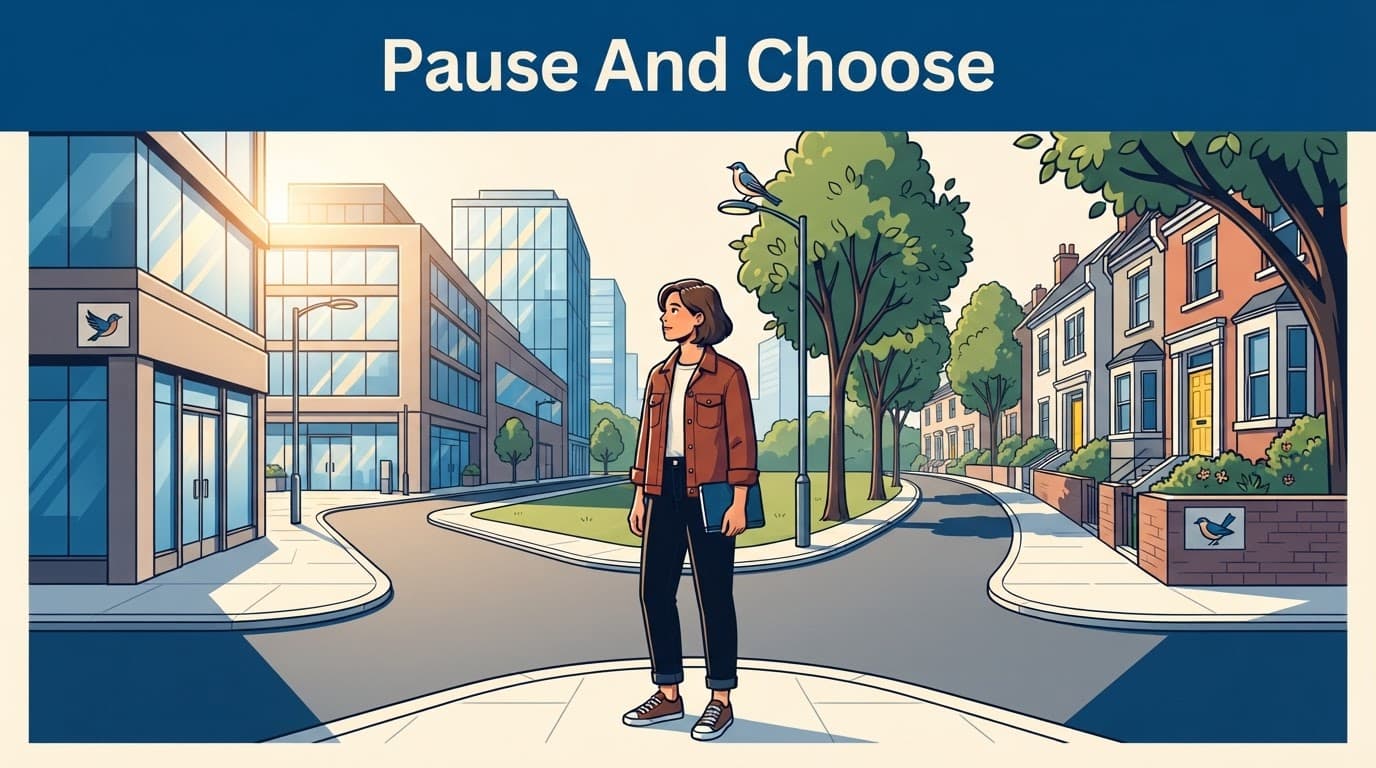
Stay Curious, Grounded, and Responsible
A coincidence, dream, conversation, opportunity, obstacle, or body cue can make you pause long enough to see what matters. Whether you view that pause as spiritual guidance or your mind making meaning, it can still lead to a better question.
Keep the sign in its proper place. Let it invite reflection, then let facts, values, planning, and personal responsibility shape the choice. Major money decisions deserve careful research, even when the timing feels written in the stars.
About the Creator
Wilson Igbasi
Hi, I'm Wilson Igbasi — a passionate writer, researcher, and tech enthusiast. I love exploring topics at the intersection of technology, personal growth, and spirituality.
Enjoyed the story? Support the Creator.
Subscribe for free to receive all their stories in your feed.
Comments
There are no comments for this story
Be the first to respond and start the conversation.