
Yams Market Is Turning an Ancient Crop Into a Modern Nutrition & Wellness
How health research, diaspora demand & farming innovation are bringing one of the world's oldest foods into a new commercial moment

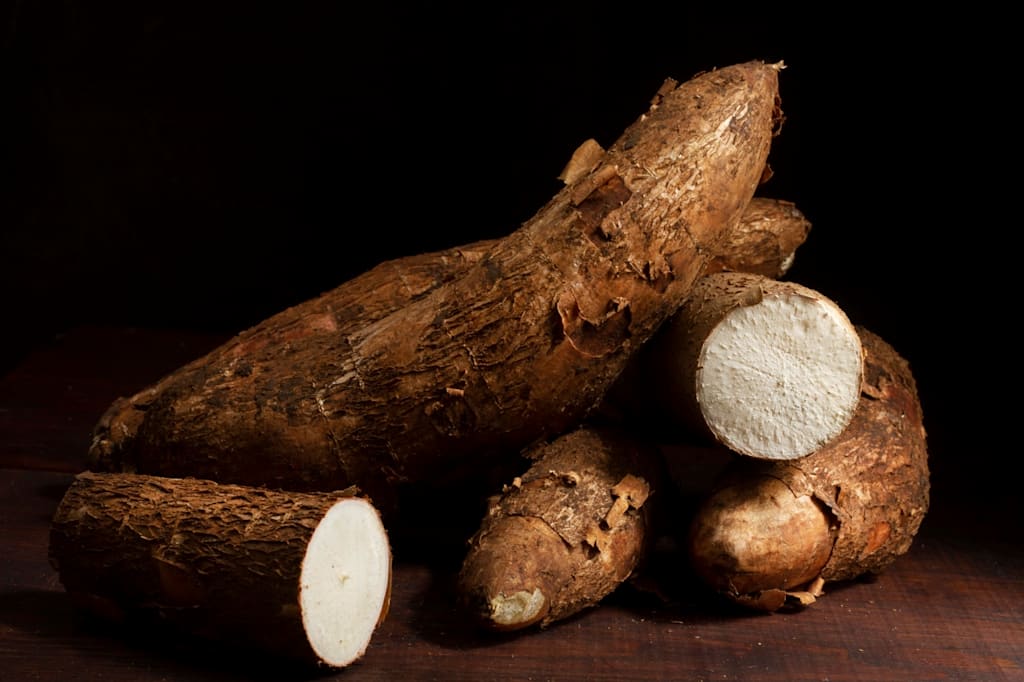
Yams have fed billions of people for thousands of years. The science of catching up to why they are so valuable is relatively new.
Yams are not a food that most people in Western markets think about seriously.
They appear occasionally on holiday tables, sometimes confused with sweet potatoes, which are an entirely different plant, and are consumed without much consideration of what they actually are or where they come from. In a grocery store in London or Chicago, they occupy a small and easily overlooked section of the produce aisle.
In West Africa, the picture is completely different. Yams are a staple crop and a cultural touchstone. They are the subject of festivals, the foundation of significant portions of the regional diet, and an agricultural commodity that supports the livelihoods of millions of farming families across Nigeria, Ghana, the Ivory Coast, and neighboring countries. The global yam market is overwhelmingly an African story, even if its commercial reach extends well beyond the continent.
According to Mordor Intelligence, the global yams market is estimated at USD 38.83 million in 2025 and is expected to reach USD 47.47 million by 2030 at a 4.1% CAGR. That growth reflects something happening simultaneously in the fields where yams are grown and in the research laboratories where their nutritional and bioactive properties are being studied with increasing seriousness.
What Yams Actually Are and Why the Confusion Matters
The persistent confusion between yams and sweet potatoes in North American consumer culture is worth addressing because it obscures something genuinely interesting about the actual plant.
True yams belong to the Dioscorea genus and are botanically unrelated to sweet potatoes. They are grown primarily in tropical regions across West Africa, parts of Asia, the Caribbean, and the South Pacific. The varieties include white, yellow, and purple yams, each with distinct culinary properties, textures, and flavor profiles suited to different regional cooking traditions. They can grow to considerable size, and their starchy flesh has a different nutritional profile and culinary behavior from sweet potatoes, which are far more widely available in Western supermarkets.
The misidentification happened largely because American grocers began labeling certain varieties of sweet potato as yams in the mid-twentieth century to differentiate them from paler-fleshed varieties, and the terminology stuck in popular usage even though it was botanically incorrect. The result is that most American consumers who think they have eaten yams have not, and the actual crop remains unfamiliar to a large potential market that might find it genuinely interesting if they encountered it properly.
For the markets where true yams are a cultural staple, this confusion is irrelevant. Demand is strong, deeply rooted in food tradition, and growing alongside the diaspora populations that have carried yam consumption with them to new geographies. West African communities in the United Kingdom, the United States, and Canada maintain a strong demand for imported yams, and that demand has created commercial import channels that bring the crop into markets where it would otherwise be absent.
The Nutritional Case That Research Is Building
Beyond their cultural significance and dietary staple role in producing regions, yams are attracting increasing scientific attention for their nutritional and bioactive properties.
Yams are nutrient-dense in ways that go beyond their carbohydrate content. They contain meaningful amounts of vitamin C, potassium, magnesium, manganese, copper, and dietary fiber. These are not exotic or unusual nutrients, but they appear in yams in combinations and concentrations that make the food genuinely valuable as part of a balanced diet rather than simply as a caloric staple.
The more interesting scientific development involves the bioactive compounds found in certain yam varieties. Research from Yantai University published in 2023 identified yams as a source of bioactive components with potential for developing natural compounds relevant to inflammatory and metabolic disease prevention and treatment. This is early-stage research, and the pathway from identifying bioactive compounds in a food to clinical applications is long and uncertain. But the direction of scientific interest matters for market development because it brings yams into the conversation around functional foods at a time when that category is growing rapidly.
Diosgenin, a steroidal saponin found in wild yam varieties, has been studied for decades in the context of hormone-related health applications. The broader class of bioactive compounds now being identified in cultivated yam varieties extends this scientific interest into areas that have commercial relevance for the functional food and nutraceutical industries. Research that validates specific health properties creates pathways to new product categories and new buyer segments that the conventional food market for yams does not currently serve.
How Farming Innovation Is Improving the Supply Side
Yam cultivation has historically been labor-intensive, relatively low-yielding, and resistant to the kind of mechanization that has dramatically improved productivity in other major food crops. These characteristics have contributed to high production costs that create barriers to market expansion even where demand exists.
Farming innovation is beginning to address these constraints in the regions where most of the world's yams are grown.
In Ghana's Wenchi Municipality in the Bono region, yam farmers have been adopting trellised and ridging planting technologies that improve yield, reduce soil erosion, and create more consistent crop quality. These are not high-technology interventions requiring expensive equipment or specialized expertise. They are accessible improvements in technique that translate into better commercial outcomes for farmers who adopt them. The competitiveness of Ghanaian yams in export markets improves when the product arrives with more consistent quality and at a lower production cost per unit.
Across West Africa more broadly, investment in improved seed varieties, better post-harvest handling to reduce the losses that occur between field and market, and stronger connections between farmers and export supply chains are all areas where incremental progress is adding up to meaningful improvement in the commercial viability of yam cultivation. Global yam production rose from 86 million metric tons in 2021 to 88 million metric tons in 2022, according to FAOSTAT data, a modest but consistent increase that reflects this broader improvement in the sector.
Where Demand Is Growing and Why
The geography of yam demand mirrors the geography of yam production and diaspora migration in ways that are relatively straightforward to understand.
West Africa remains the largest consuming region by a substantial margin. Nigeria alone accounts for the majority of global yam production and consumption, and the crop's cultural centrality in Nigerian, Ghanaian, and broader West African cuisine ensures that demand remains robust regardless of global wellness trends or scientific research findings.
Outside the producing regions, demand is concentrated in diaspora communities, and it is growing as those communities grow. The United Kingdom, the United States, and Canada all have significant West African immigrant populations whose culinary traditions center on yams and who create consistent commercial demand for imported products. Caribbean communities in these same markets maintain their own distinct yam consumption traditions, adding further depth to the diaspora demand base.
The emerging interest in African cuisine and ingredients among non-diaspora consumers in Western markets represents a smaller but growing source of demand. As West African cooking gains visibility through restaurants, food media, and the broader cultural interest in culinary traditions outside the European mainstream, ingredients like yams are finding their way into kitchens and shopping baskets where they were previously absent.
A Closing Thought
Yams have been feeding people for thousands of years across the tropical regions where they grow. They did not need scientific validation or wellness trend alignment to sustain the communities that depend on them.
What is happening now is that the rest of the world is slowly catching up to what those communities have known for a very long time. A nutritionally dense, culturally significant, and genuinely distinctive crop is finding new audiences as research, diaspora migration, and growing interest in global food traditions bring it into conversations it was previously absent from.
With the market expected to reach USD 47.47 million by 2030, the numbers are modest. The story behind them is not.
About the Creator
Harvey Specter
I am passionate about Food & Beverage, Ag, & Animal Nutrition companies. I help organizations unlock their data's potential and fuel business growth. My expertise transforms raw data into actionable insights for strategic decisions.
Enjoyed the story? Support the Creator.
Subscribe for free to receive all their stories in your feed.
Comments
There are no comments for this story
Be the first to respond and start the conversation.