
Workplace Mental Health - Directly Impacts Productivity & Company Culture!
This article delves into the importance of“mental health in the workplace” training and how it can benefit your business at all levels.

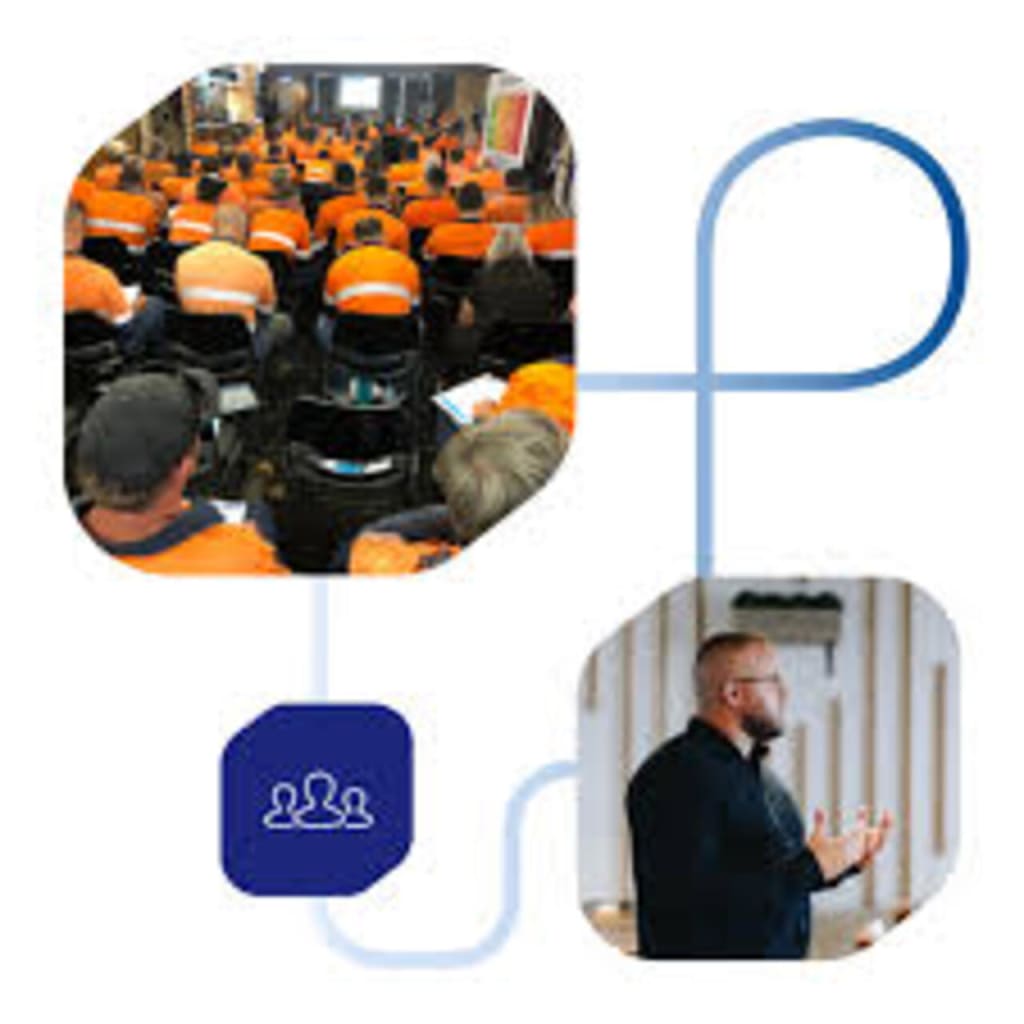
In recent years, the conversation around mental health in the workplace training has undergone a significant transformation. Once relegated to the shadows, mental health is now recognised as a vital aspect of employee well-being, with increasing numbers of businesses investing in mental health training for their teams. This shift represents a much-needed wake-up call—a realisation that employee mental health directly impacts productivity, company culture, and overall business success.
The Benefits of Mental Health Training in the Workplace
Implementing mental health training in the workplace offers multiple advantages for both employees and employers.
1. Reducing Stigma and Fostering a Supportive Culture
The most immediate benefit of mental health training is its ability to break down the stigma surrounding mental health issues. Traditionally, discussing mental health at work was viewed as a taboo or a sign of weakness. This made employees feel uncomfortable seeking help, even when they were struggling. By providing mental health awareness training, companies can foster an environment where employees feel safe discussing their challenges without fear of discrimination. This helps to normalise mental health issues and ensures that employees know that support is available.
2. Improving Employee Productivity and Engagement
Mental health challenges, when left unaddressed, can severely impact an employee’s productivity and engagement. Employees dealing with anxiety, depression, or stress may find it difficult to focus, complete tasks efficiently, or collaborate with colleagues. Mental health training teaches managers and employees how to recognise signs of distress and take the right actions to support their colleagues. By addressing mental health concerns early, companies can prevent burnout and absenteeism, leading to improved overall performance and engagement.
3. Enhancing Retention Rates
Workplaces that prioritise mental health create a supportive environment where employees feel valued and understood. When employees perceive their employer as genuinely caring for their well-being, they are more likely to stay with the company long-term. Retaining skilled and experienced employees is crucial for businesses in today’s competitive job market. Mental health training can play a key role in building trust between employees and employers, reducing turnover and its associated costs.
4. Promoting a Positive Work Culture
A workplace that actively prioritises mental health fosters a positive and inclusive culture. When employees feel supported, respected, and understood, they are more likely to collaborate effectively, communicate openly, and work towards common goals. Mental health training equips employees with the skills to manage stress, handle workplace conflicts, and communicate effectively during challenging times. This not only improves relationships between colleagues but also enhances the overall work environment.
The Growing Trend of Mental Health Awareness
The global rise in mental health awareness is a promising development, as more and more businesses recognise the importance of prioritising mental well-being. Mental health training is no longer just a "nice-to-have" but a "must-have" in modern workplaces. Research shows that companies that prioritise employee mental health benefit from lower absenteeism, higher engagement, and greater productivity. The evidence is clear—mental health training is a strategic investment that benefits both employees and businesses.
The Path Forward: Continuing the Conversation
As we move forward, the conversation about mental health in the workplace must continue to evolve. Mental health training should not be a one-off event, but an ongoing effort that is integrated into a company’s culture. Employers must commit to providing continuous education, support, and resources to ensure that employees feel comfortable seeking help when needed.
The growing recognition of mental health’s importance is a positive step forward. With the right tools, resources, and training, workplaces can become more supportive, productive, and ultimately healthier for everyone involved. It’s time for every company to wake up to the realisation that mental health matters—because mental health in the workplace training is key to business success.
About the Creator
Mental Health Movement
Mental illness is the leading cause of absenteeism in the Australian workplace, costing our economy approximately $11 billion every year in lost productivity. Read More: https://mentalhealthmovement.com.au/
Enjoyed the story? Support the Creator.
Subscribe for free to receive all their stories in your feed.
Comments
There are no comments for this story
Be the first to respond and start the conversation.