
Work Smarter: The Best Coworking Options in Toronto
Toronto’s coworking scene offers dynamic spaces designed to boost productivity and collaboration. From sleek downtown hubs to cozy creative studios, discover the top options tailored for freelancers, startups, and growing businesses. Find your perfect workspace and work smarter in the city’s vibrant environment.

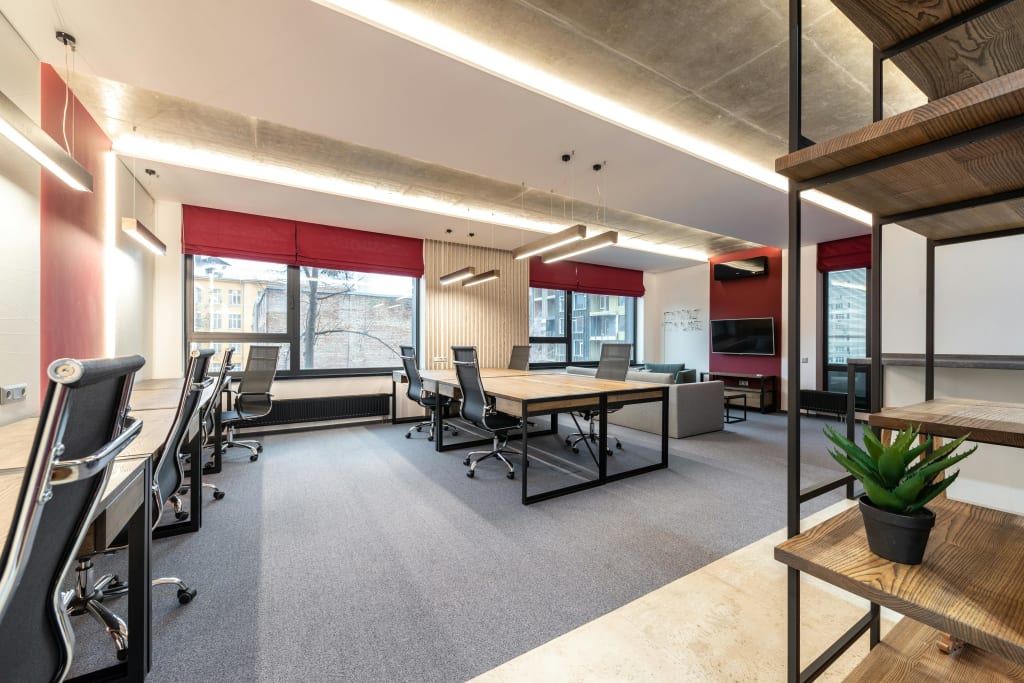
When I first stumbled into a Toronto coworking space three years ago, I thought I'd found just another place to plug in my laptop. Little did I know I'd discovered a hidden ecosystem that would transform how I view professional life in this vibrant city.
Toronto's coworking landscape is undergoing a remarkable transformation, with specialized hubs emerging across the city. The Financial District's latest addition, FinTech Fusion, has become a powerhouse for financial innovation, housing both established firms and ambitious startups. "Our space acts as an incubator for groundbreaking financial solutions," explains CEO Maria Santos. "We've seen five unicorn companies emerge from our community in just eighteen months."
The wellness integration trend has evolved beyond basic offerings. Mindful Spaces, located in the revitalized Port Lands district, has pioneered what they call "biorhythmic workspaces" – environments that automatically adjust lighting, temperature, and ambient sound based on members' circadian rhythms. "We're seeing a 40% increase in reported productivity levels," notes wellness director Dr. Sarah Chen. "The space literally works with your body's natural patterns."
Transportation-centric coworking has expanded beyond Union Station. The new "Work+Travel" network spans multiple TTC subway stations, offering micro-offices and meeting spaces at major transit intersections. "It's revolutionizing how Toronto professionals structure their day," says urban mobility expert Robert Kim. "People are holding meetings where it's convenient, not where tradition dictates."
The creative sector's influence has spawned specialized maker spaces within coworking environments. The Innovation Garage in Liberty Village combines traditional office space with fully-equipped workshops, recording studios, and digital production facilities. "We're breaking down the barriers between ideation and creation," explains founder David Rodriguez. "Our members can prototype their ideas on the spot."
International connectivity has reached new heights with the establishment of the Toronto Global Bridge program. This initiative connects Toronto's coworking spaces with innovation hubs in emerging markets like Lagos, Bangalore, and São Paulo. "We're facilitating real-time collaboration between entrepreneurs across continents," says program director Amanda Chen.
Sustainability has become a core focus, with new spaces like EcoWork Hub in the Beaches setting unprecedented standards. The facility operates on 100% renewable energy, features vertical gardens that supply an on-site café, and implements a zero-waste policy. "We're proving that commercial spaces can be regenerative rather than just sustainable," notes environmental engineer Paul Green.
The educational component of coworking has evolved with the introduction of "Learning Labs" – dedicated spaces where universities and colleges operate satellite campuses within coworking environments. "It's creating a direct pipeline between education and industry," explains education technology researcher Dr. James Williams. "Students are building their networks before they graduate."
Technology integration has reached new sophistication levels. The newly opened Digital Commons in Scarborough features AI-powered space management, predictive maintenance systems, and augmented reality meeting rooms. "We're creating spaces that anticipate needs before they arise," says systems architect Lisa Wong.
The future of Toronto's coworking scene is expanding vertically with the announcement of "Sky Offices" – converting unused upper floors of downtown skyscrapers into interconnected coworking communities. "We're reimagining Toronto's skyline as a network of collaborative spaces," explains real estate developer Michael Chang. "The boundaries between buildings are disappearing."
This evolution reflects Toronto's emergence as a global innovation leader, where coworking spaces serve as catalysts for collaboration, sustainability, and technological advancement. They're not just reshaping how people work – they're transforming the very fabric of urban life.
Conclusion: Toronto's coworking landscape has evolved into specialized industry clusters transforming how the city works. The Financial District's CryptoHub leads blockchain innovation, while wellness-focused spaces like The Balance Collective integrate meditation and nutrition services. Transportation-centric solutions, exemplified by the Transit Hub at Union Station, optimize commute times. The art community shapes spaces like Gallery Works, where rotating exhibitions create dynamic work environments. International connections flourish through global exchange programs, linking Toronto professionals with worldwide workspaces. Looking ahead, the ambitious CoworkingCity project aims to integrate living spaces, offices, and community amenities into a purpose-built neighborhood. These developments position Toronto as a global innovation hub, where coworking spaces catalyze collaboration and urban development, fundamentally changing how people work and live in the city.
About the Creator
Melisa Lyn
content manager
Enjoyed the story? Support the Creator.
Subscribe for free to receive all their stories in your feed.
Comments
There are no comments for this story
Be the first to respond and start the conversation.