
Why The Vatican Ends Canonization Cause for Walter Ciszek
Why It Happened and What Comes Next

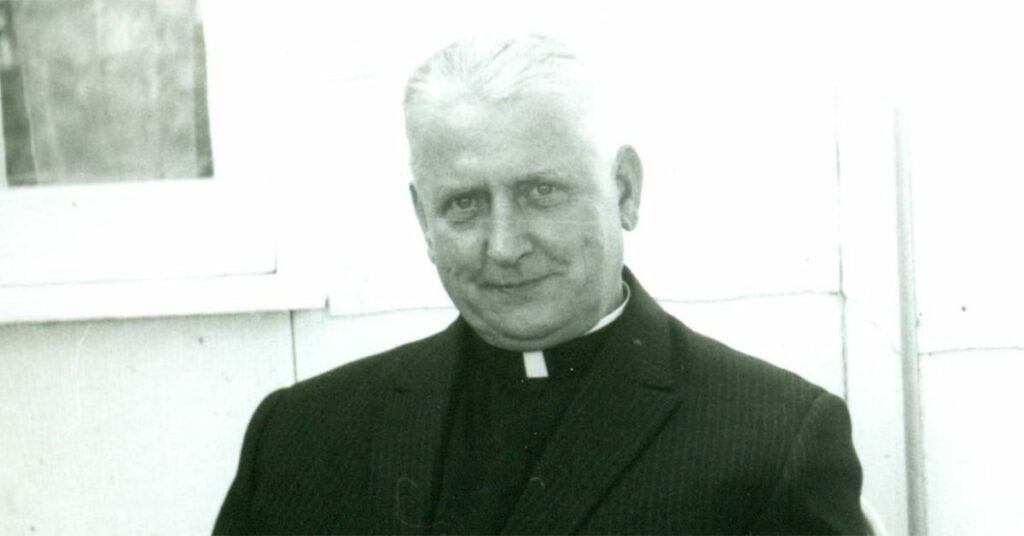
The decision by the Vatican to end the canonization cause of Walter Ciszek has stirred deep reflection among Catholics, historians, and spiritual followers worldwide.
At first glance, it may seem like a rejection.
But in reality, it is something more nuanced—and more revealing about how the Catholic Church evaluates sainthood.
Who Was Walter Ciszek?
- Walter Ciszek was no ordinary priest.
- Born in 1904 to Polish immigrant parents
- Ordained a Jesuit priest in 1937
- Secretly entered the Soviet Union during World War II
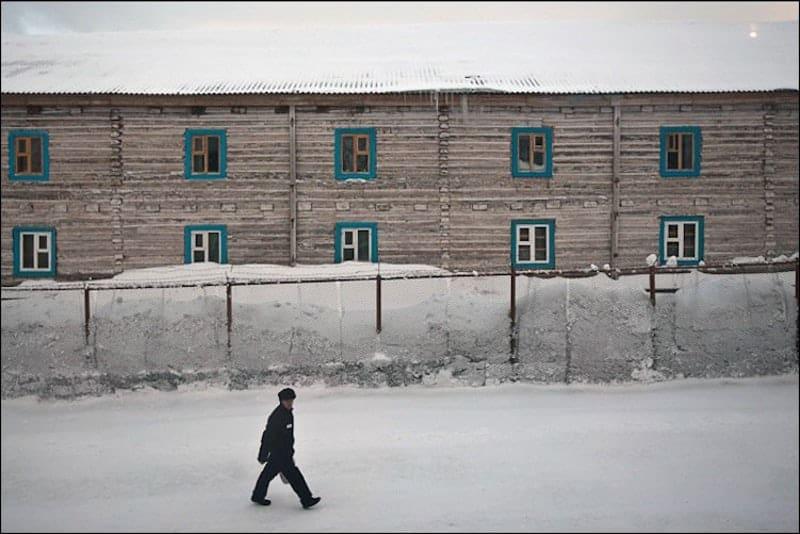
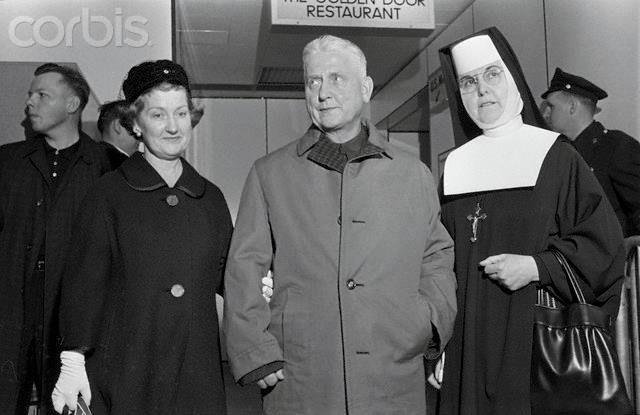
- Arrested and sent to Siberian labor camps for 15 years
Continued ministering in prison under extreme conditions
His story, captured in books like He Leadeth Me, became a powerful testimony of faith under persecution.
To many, he already lives like a saint in memory.
Why the Vatican Ended the Canonization Process
The key reason lies in evidence and criteria—not reputation.
1. Insufficient Documentation for Advancement
According to the Diocese overseeing the cause, the Vatican concluded that:
The documentation “does not support” advancing the case.
This does not mean Ciszek lacked holiness.
It means:
- the formal requirements for sainthood were not fully met
- the available evidence did not reach the necessary threshold
2. The Church’s Strict Canonization Standards
Canonization is one of the most rigorous processes in the Catholic Church.
It requires:
- verified heroic virtue
- detailed historical investigation
- and often confirmed miracles attributed to the individual’s intercession
Even inspiring lives can fall short of these strict criteria.
3. Discernment Over Emotion
Many supporters were deeply devoted to Ciszek’s story.
But the Vatican’s process is designed to:
- avoid emotional decisions
- ensure consistency across all cases
- preserve the integrity of sainthood recognition
Story Insight:
Think of canonization like a legal trial of holiness. Admiration is not enough—there must be verifiable, documented proof.
Why This Decision Still Matters
Ending the process does not erase Ciszek’s impact.
In fact, the Church emphasized that his:
- courage
- endurance
- spiritual writings
continue to inspire people worldwide.
A Critical Distinction
Canonization = Official recognition as a saint
Spiritual influence = Personal and communal devotion
Ciszek still holds immense value in the second category.
The Deeper Message Behind the Decision
This moment highlights an important truth:
Not every holy life becomes canonized—but every holy life can still transform others.
The Church is essentially saying:
- his witness remains valid
- his story remains powerful
- but the formal process ends here
What Happens Next?
1. The Prayer League Transforms
The organization supporting his cause will now become:
the Father Walter J. Ciszek Society
Its mission will shift from canonization advocacy to:
- preserving his legacy
- sharing his teachings
- encouraging spiritual devotion
2. Continued Influence Through His Writings
Ciszek’s books, especially:
He Leadeth Me
With God in Russia
will likely see renewed interest.
These works already serve as:
spiritual guides
testimonies of faith under suffering
3. Grassroots Devotion May Continue
Even without official sainthood:
individuals may still pray for his intercession
communities may continue honoring his memory
History shows that devotion doesn’t always depend on formal recognition.
Why Some Causes End
Ciszek’s case is not unique.
Canonization causes may stop due to:
- lack of documented miracles
- insufficient historical evidence
- unresolved questions in records
This reflects the Church’s commitment to:
- credibility
- transparency
- consistency
The Human Reaction: Disappointment and Reflection
For many followers, the decision is disappointing.
But it also invites reflection:
What defines a saint?
Is recognition necessary for spiritual impact?
Can a life still guide others without formal status?
Lessons from Walter Ciszek’s Life
Even without canonization, his life offers enduring lessons:
1. Faith in Adversity
He practiced his beliefs under extreme oppression
2. Purpose in Suffering
He transformed hardship into spiritual growth.
3. Quiet Influence
His greatest impact came not through power—but perseverance.
Final Thoughts: A Legacy Beyond Titles
The Vatican’s decision closes one chapter—but not the story.
Walter Ciszek remains:
- a symbol of resilience
- a voice of spiritual depth
- a figure whose life continues to inspire
Because in the end, sainthood in the eyes of the Church is formal.
But sainthood in the eyes of people?
That often lives far beyond official recognition.
Bottom Line:
The canonization process has ended—but Walter Ciszek’s legacy is far from over.
About the Creator
Omasanjuwa Ogharandukun
I'm a passionate writer & blogger crafting inspiring stories from everyday life. Through vivid words and thoughtful insights, I spark conversations and ignite change—one post at a time.
Enjoyed the story? Support the Creator.
Subscribe for free to receive all their stories in your feed.
Comments
There are no comments for this story
Be the first to respond and start the conversation.