
Why the Brazil EV Charging Market is Suddenly So Hot
From ‘Nice-to-Have’ to ‘Must-Have’: How Local Conditions Are Driving Brazil’s Rapid EV Charging Market Growth

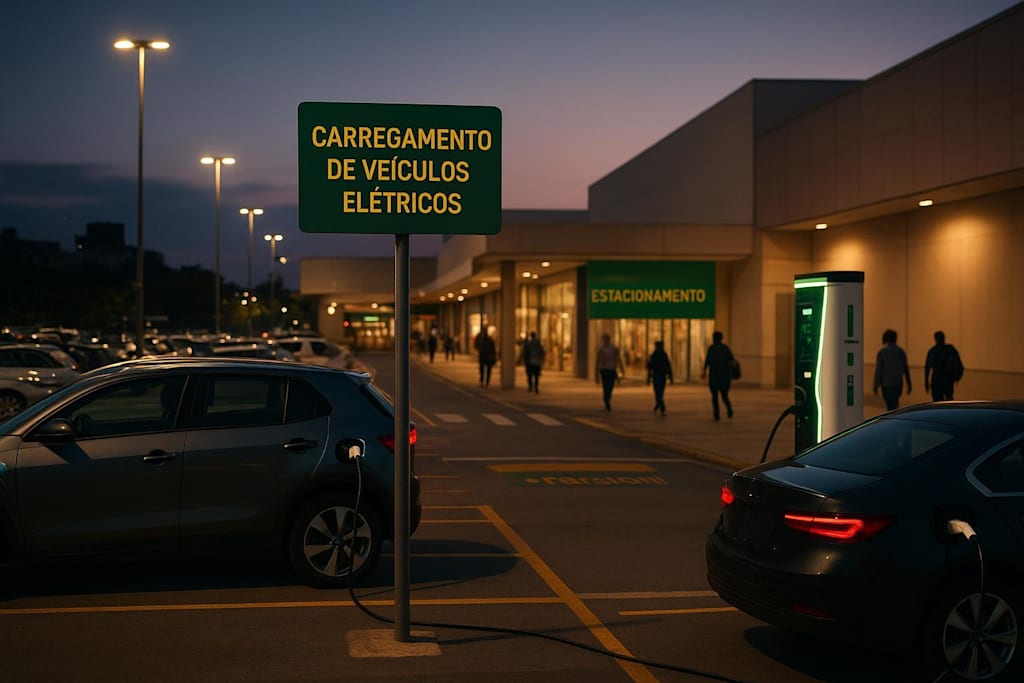
If you run a shopping center, parking garage, or mixed-use property in Brazil, you’ve probably felt the shift.
EV charging has moved from occasional “nice-to-have” pilot projects to something tenants and customers now actively ask for — and expect.
This isn’t just a global trend. In Brazil, several practical local factors have come together at the perfect time, turning commercial EV charging from a luxury into a real must-have.
Why the Brazil EV Charging Market Feels So Hot Right Now
Brazil’s electrified vehicle fleet is growing fast. Recent industry figures show nearly 17,000 public and semi-public charging points as of mid-2025, with the overall commercial EV charging market expanding from around USD 37 million in 2024 toward more than USD 119 million by 2030.
Drivers want to charge while they shop, work, or run errands. That makes high-dwell locations — retail parks, offices, supermarkets, and mixed-use developments — the ideal spots for charging stations.
Property operators who already have chargers are seeing real results: more foot traffic, better tenant retention, and a clear competitive edge.
What’s Actually Driving the Commercial Charging Boom
Three key local realities are creating strong momentum:
More Vehicles on the Road
Rising EV adoption is creating everyday demand, especially in big cities like São Paulo and Rio de Janeiro.
Better Economics
Hardware and installation costs have dropped sharply, while higher utilization is shortening payback periods. Owners can now earn extra revenue from usage fees and benefit from longer customer dwell time.
Stronger Policy Support
Government incentives for cleaner vehicles and simpler grid connections are removing old barriers for developers.
At the same time, coverage remains patchy in many areas. That gives early movers in retail and real estate a genuine first-mover advantage.
Why Retail and Parking Sites Are Perfect for Destination Charging
Most EV charging in Brazil happens during daily life — not on highways. People charge while shopping, working, eating, or running errands. This “destination charging” matches exactly what property operators already control: dwell time.
These sites work well because:
Drivers prefer convenient, predictable charging.
Many locations can start small with 7–22 kW AC chargers and expand later.
The focus is on supporting the customer visit, not just fast charging.
What Commercial Operators Should Consider Right Now
If you’re thinking about adding EV charging, keep these practical points in mind:
Power and Grid Readiness
Check your site’s electrical capacity early. Smart load management helps avoid delays and peak issues.
Technology Choices
Choose reliable equipment that meets Brazilian standards and supports popular connectors. Look for features like remote monitoring and renewable integration to keep costs low.
Open Standards Matter
Select chargers that support OCPP. This gives you flexibility to change software or operators later without replacing hardware.
Choose the Right Partner
Work with experienced providers who understand local regulations, installation, and maintenance. High uptime protects your property’s reputation.
Looking Forward
Brazil’s commercial EV charging market is at an exciting turning point. With more electric vehicles on the roads every month, clearer rules, and growing demand for charging exactly where people already park, the opportunity for retail and real estate operators is bigger than ever.
Those who invest thoughtfully now will be well ahead as the market matures. It’s no longer about following a global trend — it’s about responding to what’s already happening on Brazilian roads and in Brazilian parking lots today.
About the Creator
Enjoyed the story? Support the Creator.
Subscribe for free to receive all their stories in your feed.
Comments
There are no comments for this story
Be the first to respond and start the conversation.