
Why Strain Clamp Bolted Type is Essential for Overhead Lines
This post will discuss the strain clamp bolted type, preformed dead end, neoprene-coated dead end, and other related topics.
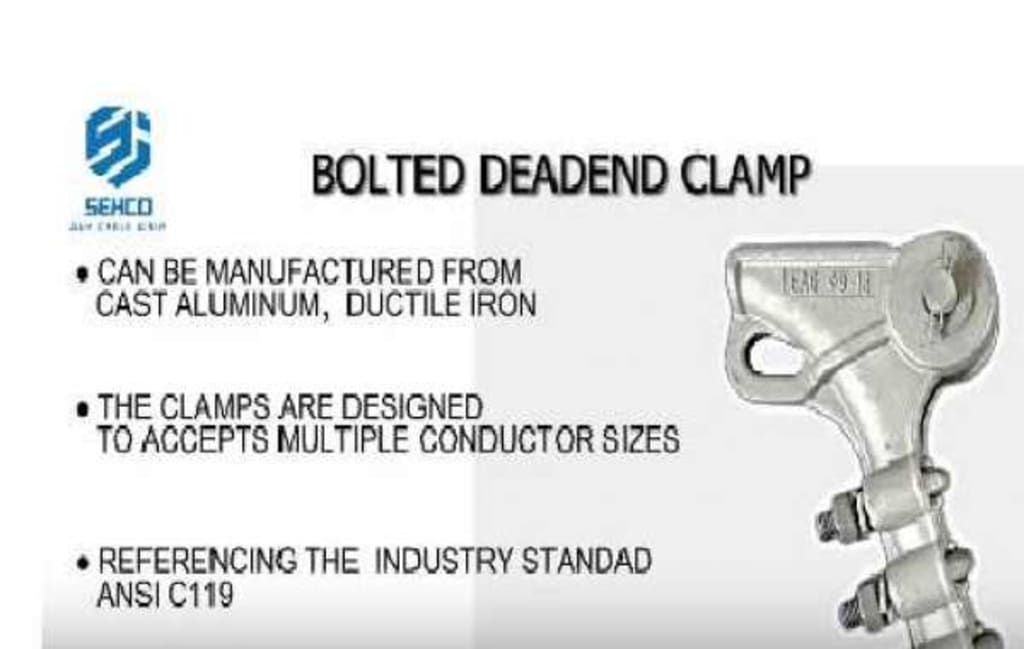
Understanding Strain Clamp Bolted Type
Strain clamp bolted type is an essential hardware in overhead power lines. These clamps securely hold conductors, providing mechanical support while maintaining electrical conductivity. Designed with durable materials, they ensure reliability in harsh weather conditions. Easy installation and a robust bolted structure make them a preferred choice for utility companies.
Why Strain Clamps Are Crucial for Power Transmission
Strain clamps are pivotal in minimizing sagging in power conductors. Their bolted design offers a firm grip, reducing vibration and wear over time. By preventing conductor damage, they extend the life of the infrastructure and ensure uninterrupted power transmission. Their efficiency enhances the overall reliability of power systems.
The Bolted Advantage in Strain Clamps
Bolted-type strain clamps are favored for their adjustable and reusable nature. The bolted mechanism allows easy tightening or loosening, accommodating different conductor sizes. This flexibility makes them versatile for various applications, including high-voltage transmission lines. Additionally, their modular design simplifies maintenance, reducing downtime during repairs.
Exploring Preformed Dead Ends in Power Line Applications
Preformed dead ends are another critical component in power line setups. They are helically shaped fittings that anchor conductors to support structures. Unlike traditional clamps, performed dead ends distribute stress evenly across the conductor, reducing the risk of breakage. Their simple installation process saves time and labor costs.
Benefits of Preformed Dead Ends
The Preformed dead end offers exceptional grip strength and reliability. Their corrosion-resistant design ensures durability even in extreme environments. By preventing conductor slipping or damage, they maintain the system's integrity. These features make them popular in the utility and telecom sectors, enhancing operational efficiency.
How Preformed Dead Ends Enhance Line Safety
One key advantage of preformed dead ends is their role in enhancing safety. By evenly distributing mechanical stress, they prevent concentrated load points, which can lead to failure. Their smooth surface design also reduces the risk of conductor damage, ensuring the long-term stability of overhead power lines.
The Role of Neoprene-Coated Dead Ends in Modern Systems
Neoprene-coated dead ends are an advanced version of standard preformed dead ends. The neoprene coating adds an extra layer of insulation and protection against environmental factors. These dead ends benefit areas with high humidity or chemical exposure, ensuring enhanced durability and performance.
Advantages of Neoprene Coated Dead Ends
Neoprene-coated dead ends provide superior corrosion resistance, making them ideal for coastal or industrial environments. The coating also reduces wear and tear on the conductor, prolonging its lifespan. Additionally, the neoprene layer acts as an insulator, improving electrical safety in high-voltage applications.
Comparing Preformed and Bolted Strain Clamps
Bolted strain clamps and performed dead ends have similar functions, yet they are very different in design. Preformed dead ends give a stress-distributing grip, and bolted strain clamps are reusable and adjustable. Both are necessary for power line systems, and which one to choose will depend on the particulars of the project and the surrounding circumstances.
Installation Tips for Strain Clamp Bolted Type
When installing bolted strain clamps, ensure the bolts are tightened uniformly to achieve maximum grip. Avoid overtightening, as it can damage the conductor. Regularly inspect the clamps for wear and corrosion, replacing them as needed. Proper installation ensures long-term reliability and safety in power line operations.
Proper Handling of Preformed Dead Ends
For performed dead ends, align them accurately with the conductor to avoid misapplication. Ensure the helically formed wires wrap smoothly without overlapping. Using the correct size and type for the conductor is crucial to prevent slippage or damage. Following these guidelines ensures optimal performance and durability.
Material Choices in Strain Clamps and Dead Ends
Both strain clamps and dead ends are typically made from high-strength aluminum or steel alloys. These materials provide excellent mechanical strength and resistance to environmental factors. Neoprene coatings further enhance durability, especially in corrosive conditions. Choosing the suitable material ensures reliability and reduces maintenance costs.
Environmental Impact on Power Line Hardware
Environmental factors like temperature, humidity, and pollution significantly affect the performance of strain clamps and dead ends. In corrosive environments, bolted clamps may require periodic maintenance, while neoprene-coated dead ends offer better resilience. Understanding these impacts helps in selecting the proper hardware for specific conditions.
Innovations in Strain Clamp Type Designs
Modern strain clamps feature ergonomic designs for easier installation and enhanced performance. Innovations like anti-vibration mechanisms and corrosion-resistant coatings improve their longevity. As power demands grow, these advanced designs ensure that transmission systems remain efficient and reliable, meeting evolving infrastructure needs.
Preformed Dead Ends for Fiber Optic Networks
Beyond power lines, performed dead ends are widely used in fiber optic networks. They securely anchor optical cables without causing damage, ensuring signal integrity. Their stress-distributing design is particularly beneficial in maintaining the delicate structure of optical fibers, supporting seamless communication systems.
Importance of Quality in Neoprene Coated Dead Ends
For long-term dependability, Neoprene Coated dead end is essential. The conductor may be exposed to environmental harm if inferior coatings break or deteriorate. Purchasing high-quality neoprene guarantees the best possible protection and performance, lowering the need for future expensive repairs or replacements.
Challenges in Maintaining Power Line Hardware
Maintenance of strain clamps and dead ends can be challenging, especially in remote locations. Regular inspections, cleaning, and timely replacements are necessary to prevent failures. Advanced materials like neoprene and innovative designs help reduce maintenance efforts, ensuring smoother operations even in demanding environments.
The Future of Power Line Accessories
Power line accessories like strain clamps and dead ends are changing in response to the growing need for smart grids and renewable energy. Sophisticated coatings, eco-friendly materials, and clever monitoring systems shape the future of these components. These developments are meant to improve electricity transmission's sustainability, durability, and efficiency.
Conclusion
Strain clamp bolted type, preformed dead ends, and neoprene-coated dead ends play vital roles in maintaining the integrity of power transmission and communication systems. Their unique features and applications ensure reliability, safety, and efficiency. Quality hardware and proper maintenance are essential for long-term performance in any infrastructure project.
About the Creator
Enjoyed the story? Support the Creator.
Subscribe for free to receive all their stories in your feed.
Comments
There are no comments for this story
Be the first to respond and start the conversation.