
Why Robotic Dental Implants Lead to Faster Recovery Times
Robotic Dental Implants

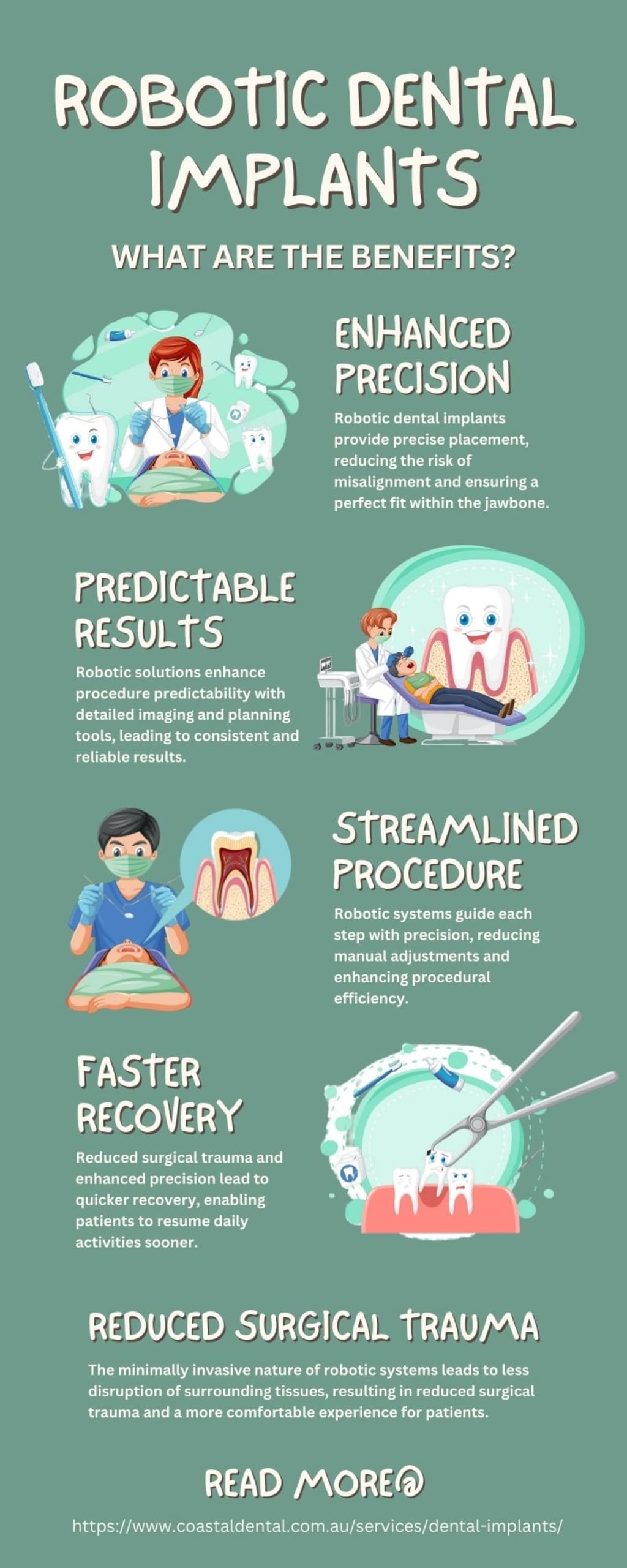
In the evolving field of dentistry, robotic technology has emerged as a groundbreaking advancement, particularly in the realm of dental implants. One of the most significant benefits of robotic dental implants is the accelerated recovery time they offer. Traditional dental implant procedures can often involve extended recovery periods due to the invasiveness of the surgery and the associated trauma to surrounding tissues. However, robotic systems are designed to address these issues with greater precision and efficiency, leading to a smoother and quicker healing process. Robotic dental implants utilize state-of-the-art technology to enhance surgical accuracy and minimize the physical impact on the patient. By employing advanced imaging and computer-guided techniques, robotic systems can place implants with remarkable precision, reducing the need for extensive manual adjustments and lessening the overall surgical trauma. As a result, patients often experience less pain, reduced swelling, and a faster return to their normal activities. This introduction explores how robotic dental implants contribute to faster recovery times and what this means for patients seeking effective and efficient dental solutions.
Why Robotic Dental Implants Lead to Faster Recovery Times
Enhanced Precision Reduces Trauma
Robotic dental implants are renowned for their precision. By utilizing advanced imaging and computer-guided technology, these systems ensure that implants are placed with exact accuracy. This precision minimizes the need for extensive adjustments during surgery, which traditionally can lead to increased trauma to the surrounding tissues. With less disruption, patients experience a lower level of surgical trauma, resulting in a more comfortable and quicker recovery.
Minimally Invasive Techniques
One of the key advantages of robotic dental implants is their minimally invasive nature. Unlike conventional implant procedures that might require larger incisions and more extensive tissue manipulation, robotic systems are designed to make smaller, more targeted incisions. This approach not only reduces the amount of tissue affected but also helps in maintaining the integrity of the surrounding areas, further speeding up the healing process.
Faster Surgical Procedures
Robotic systems streamline the implant procedure by guiding each step with high precision. This reduces the overall time spent in surgery and minimizes the likelihood of errors that could complicate recovery. With a more efficient surgical process, patients spend less time under anesthesia and experience a quicker transition to the post-operative phase, contributing to faster recovery times.
Improved Post-Operative Comfort
Due to the reduced invasiveness and precision of robotic dental implants, patients often experience less postoperative pain and swelling compared to traditional methods. The advanced technology used in these systems ensures that the implant is placed in optimal alignment with minimal disruption to surrounding tissues. As a result, patients report a higher level of comfort during recovery and can resume their normal activities more quickly.
Enhanced Healing Through Accurate Planning
Robotic dental implants involve meticulous planning through detailed imaging and simulations. This advanced planning allows for a more precise placement of the implant, which not only enhances the integration with the jawbone but also reduces the risk of complications that can prolong recovery. Accurate planning and placement contribute to a smoother healing process and better long-term outcomes for patients.
Patient Experiences and Outcomes with Robotic Dental Implants
Real-World Success Stories
Patients who have undergone robotic dental implant procedures often share positive experiences regarding their recovery times. Many report a significantly quicker return to their daily routines compared to traditional implant methods. These real-world success stories highlight the effectiveness of robotic technology in reducing recovery periods and improving overall patient satisfaction. By exploring these testimonials, we gain insight into how robotic implants contribute to enhanced recovery and quality of life.
Clinical Studies and Research Findings
Clinical research supports the benefits of robotic dental implants in terms of faster recovery times. Studies have shown that patients who receive robotic-assisted implants experience reduced postoperative pain and swelling. Research data indicates that the precision and minimally invasive nature of these implants lead to quicker healing and fewer complications. Analyzing these findings provides a comprehensive understanding of the impact of robotic technology on recovery outcomes.
Comparison with Traditional Implant Procedures
When comparing robotic dental implants to traditional implant methods, the differences in recovery times are notable. Traditional procedures often involve longer healing periods due to larger incisions and more invasive techniques. In contrast, robotic implants use advanced technology to ensure precise placement with minimal disruption. This comparison underscores the advantages of robotic systems in achieving faster recovery and highlights the progress in dental implant technology.
Future Prospects for Enhanced Recovery
The field of robotic dental implants is continuously evolving, with ongoing advancements aimed at further improving recovery times and patient outcomes. Future developments in robotic technology and surgical techniques hold promise for even faster and more efficient recovery processes. Keeping abreast of these innovations will provide valuable insights into how the field will continue to advance and benefit patients seeking dental implant solutions.
About the Creator
Enjoyed the story? Support the Creator.
Subscribe for free to receive all their stories in your feed.
Comments
There are no comments for this story
Be the first to respond and start the conversation.