
Why Religion in Politics Is Becoming a Dangerous Strategy
Faith, Power, and War

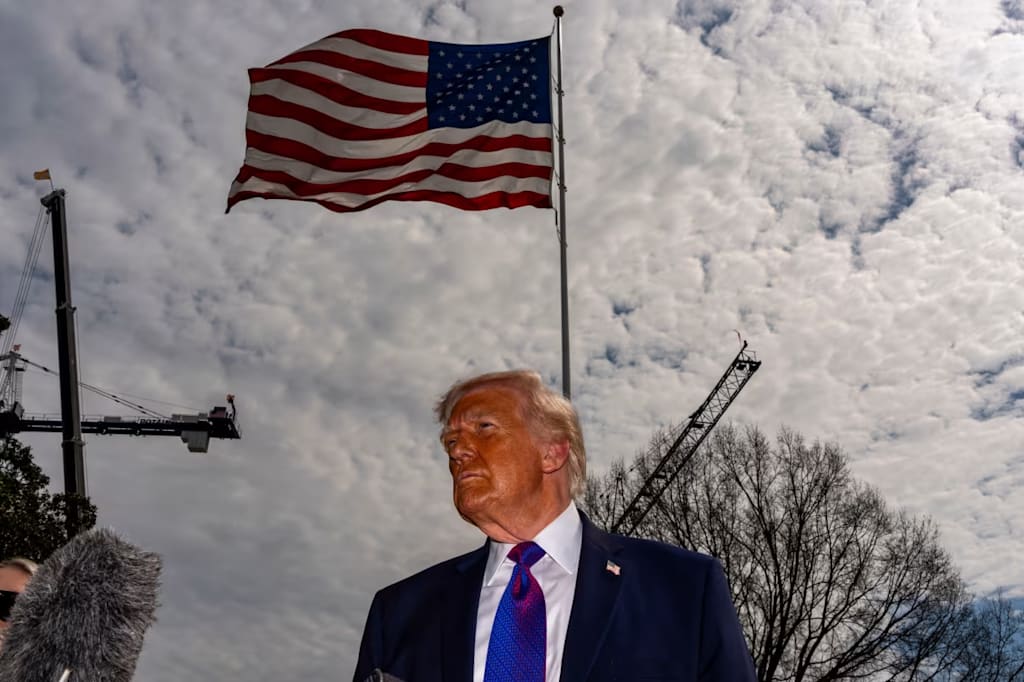
The use of religion in politics is not new. Leaders have always invoked God in times of crisis, especially during war.
But what is happening now is different.
According to recent analysis, the increasing use of religious language by the Trump administration in framing its conflict with Iran is raising serious concerns—not just about messaging, but about how power is justified and exercised.
The Shift: From Faith as Comfort to Faith as Justification
Historically, American presidents have used religion in a restrained way:
- to comfort citizens
- to honor soldiers
- to unite the nation
But today, critics argue the tone has shifted.
Instead of faith being a source of reflection, it is being used as:
- a justification for policy
- a moral shield for military action
- a signal of ideological alignment
That shift is where the danger begins.
Why This Matters More Than It Seems
1. Religion Creates Absolute Narratives
Faith operates in absolutes:
- right vs wrong
- good vs evil
- divine vs immoral
But war and diplomacy require:
- negotiation
- compromise
- flexibility
When leaders frame war as “divinely justified,” they remove space for:
- disagreement
- diplomacy
- peaceful resolution
Insight:
If one side believes God is on their side, compromise begins to look like betrayal.
2. It Mirrors the Very Systems the U.S. Opposes
One of the key concerns raised is that this rhetoric brings the U.S. closer to the same framework used by adversaries.
For example:
Iran has long framed its actions as fulfilling divine will
militant groups often justify violence through religious ideology
When both sides use similar language, the conflict becomes:
not just political—but spiritual
And spiritual conflicts are the hardest to end.
The Role of Key Figures
Donald Trump
The president has amplified religious imagery in ways critics say blur the line between:
- leadership
- symbolism
- personal branding
This includes controversial portrayals that suggest divine alignment.
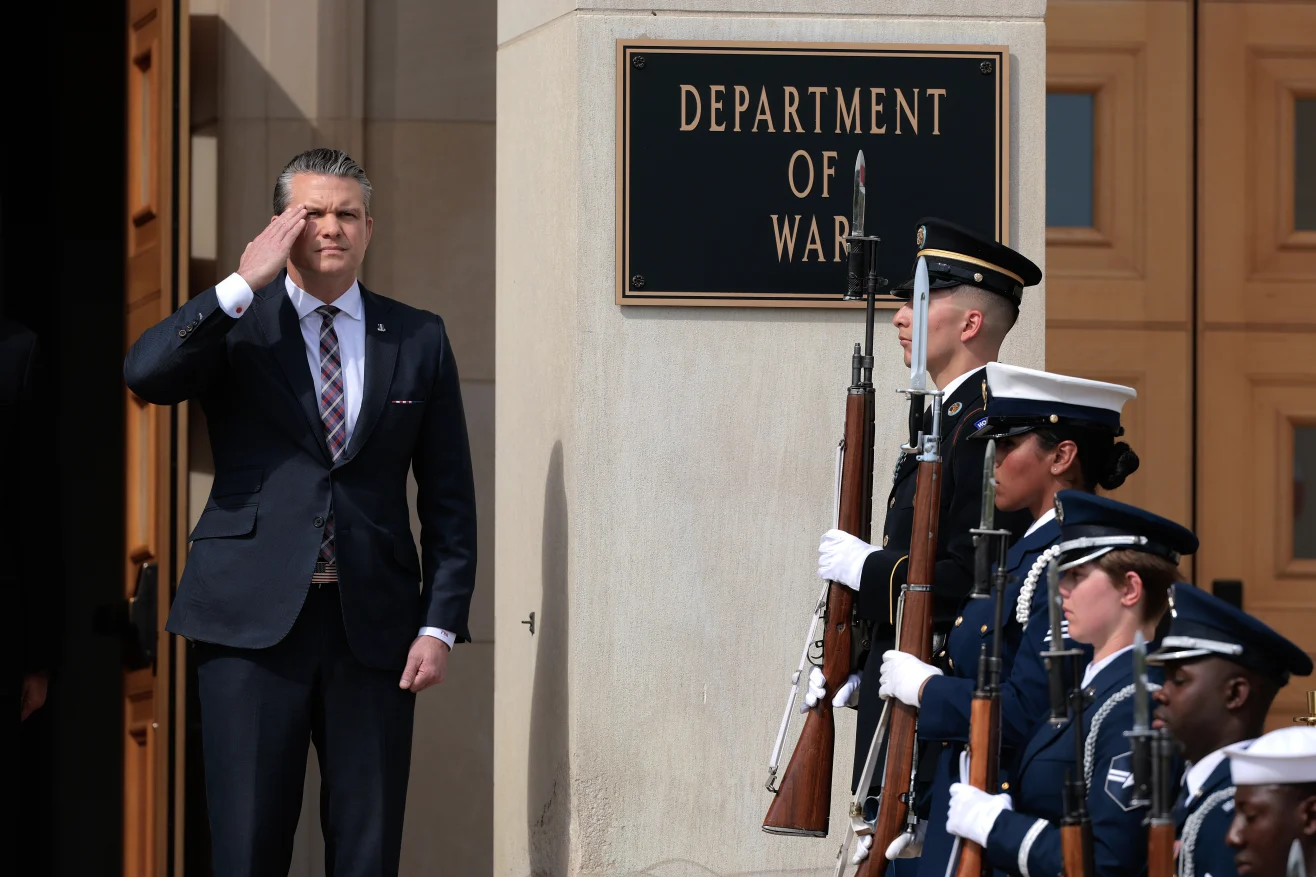
Pete Hegseth
Perhaps the most visible example is the defense secretary’s approach:
- framing military briefings with scripture
- describing troops in near-spiritual terms
- drawing parallels between military actions and religious events
This creates a narrative where:
war is not just strategic—it is sacred
JD Vance
The vice president has gone even further by:
- publicly challenging religious authorities
- engaging in theological debates with global leaders
This is highly unusual in modern American politics.
Pope Leo XIV
The tension escalated when the pope warned:
religion should not be used to justify war
This sparked a rare clash between:
- political power
- religious authority
Why Previous Presidents Avoided This
Leaders like:
- George W. Bush
- Barack Obama
understood the risks of religious framing in war.
After 9/11, even a single use of the word “crusade” caused global backlash.
Why?
Because:
- it alienates allies
- inflames tensions
- fuels extremist narratives
The Strategic Risk
Using religion in war messaging can:
1. Strengthen Enemy Propaganda
Opponents can claim:
“This is a religious war against us.”
2. Endanger Citizens Abroad
Americans may become targets if conflicts are seen as faith-based.
3. Complicate Alliances
Countries with different religious majorities may feel:
- excluded
- threatened
- politically pressured
The Domestic Impact
This strategy is not just about foreign policy.
It also plays into internal politics.
Why It’s Being Used
- appeals to evangelical voter base
- reinforces ideological identity
- strengthens emotional loyalty
But it also risks:
- excluding non-religious citizens
- alienating other faith groups
- blurring church-state separation
The Constitutional Question
The United States is built on a key principle:
Separation of church and state
When political leaders:
invoke divine authority
present policy as religiously justified
It raises concerns about:
- constitutional boundaries
- inclusivity
- democratic integrity
A Historical Warning
Even Abraham Lincoln once noted:
Both sides in a war often believe God is on their side.
That insight remains relevant today.
Because:
- belief does not equal truth
- conviction does not guarantee justice
The Bigger Danger: Moral Certainty in War
Wars driven by moral certainty can:
- lose strategic direction
- ignore consequences
- justify extreme actions
When leaders believe they are:
“on a divine mission”
They may feel:
- less accountable
- more justified
- more resistant to criticism
Final Thoughts: A Line That Should Not Be Crossed
Faith is powerful.
It can inspire:
- hope
- courage
- unity
But when it is used to justify war, it becomes something else.
Something dangerous.
Because in that moment, war is no longer about:
- policy
- strategy
- national interest
It becomes about belief.
And belief-driven conflicts are the hardest to control—and the hardest to end.
Bottom Line:
The growing fusion of religion and state power in wartime messaging is not just a political strategy.
It’s a shift that could reshape how conflicts are fought—and how they are remembered.
About the Creator
Omasanjuwa Ogharandukun
I'm a passionate writer & blogger crafting inspiring stories from everyday life. Through vivid words and thoughtful insights, I spark conversations and ignite change—one post at a time.
Enjoyed the story? Support the Creator.
Subscribe for free to receive all their stories in your feed.
Comments
There are no comments for this story
Be the first to respond and start the conversation.