
Why Modern Retail Spaces Are Evolving Beyond Traditional Commerce
Retail Stores Are Becoming Media Channels Disguised as Shops

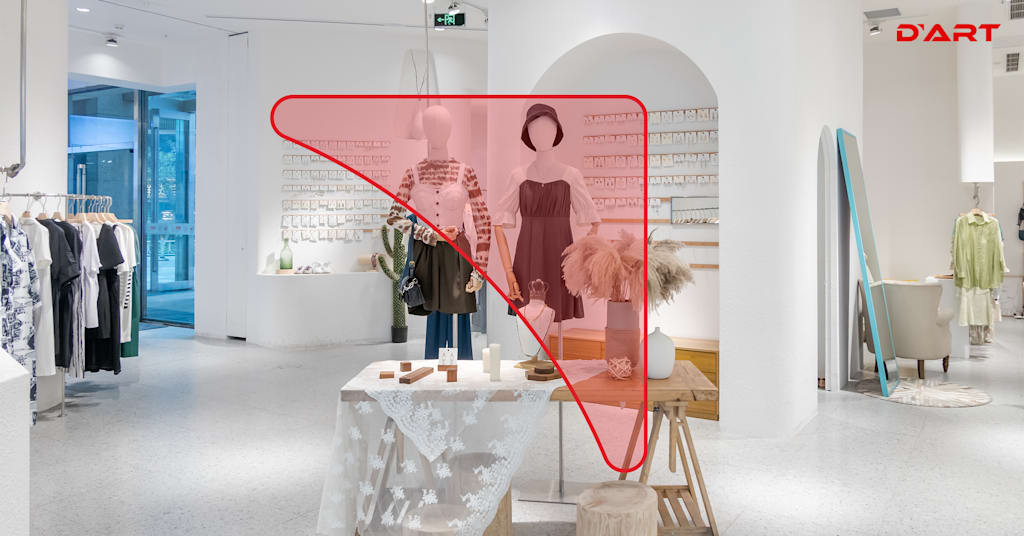
A shift has taken place in how shops are seen by those who run them. Before, talks focused on what was sold, how fast people checked out, then how they felt while shopping. Sure, these pieces still count. But now, expectations go beyond that old list. Strolling past store shelves now, you might spot small monitors right where products sit. At aisle ends, bright panels flash images and videos. Instead of quiet rows of goods, there’s movement - scenes unfolding like something pulled from a commercial break. What used to be silent space now speaks, shifts, grabs attention. These aren’t just signs anymore; they’re built to mimic the rhythm of ads seen elsewhere. The moment blurs: shopping feels less about picking items, more like watching a show between choices.
Stores now act like TV or online platforms. Products remain on shelves, cashiers keep working, yet the whole place transforms into a spot designed to grab eyes - track what people see - then turn that data into value. This change crept in slowly; many customers might not even realize it happened, though its effect on how companies plan shop layouts matters deeply. Anyone shaping retail spaces should take time to understand this quiet evolution.
Retail media grew into a business model quicker than anticipated
Now picture this - retailers once dabbled quietly in ads, but by 2023 those efforts swelled past $119 billion worldwide. Here’s how it works: stores open up their own customer behavior records so companies can place promotions right where shopping happens. Because every click or view ties directly to what gets bought later, proving results isn’t guesswork like it often is with older ad channels.
Inside a store or on a shop's website, shoppers are already deciding what to buy. That moment matters. Messages shown right then often lead straight to purchases - unlike ads seen while scrolling social feeds or watching streaming shows. Context shifts everything. More than half of brands now spend real money here instead of elsewhere. Performance tells them where to go. So the trend grows. Numbers don’t lie.
Every Surface Becomes Inventory
Fewer shoppers linger without notice now that screens watch how long they pause. Digital displays line shelves where products once just sat silent. These spots tally attention, shifting how stores think about space. Instead of only holding goods, endcaps host messages competing for eyes. Metrics flow from sensors built into bright panels overhead. What were static corners are active zones today. Time spent near items gets counted automatically. Retail aisles do more than guide footsteps - they capture behavior. Screens report back on what draws people closer. Space once reserved for stacking boxes sells visibility instead.
Gone are the days when shops just held products on shelves. Instead, imagine screens shifting messages after sunset, shaped by neighborhood habits or special deals running that week. Picture tiny detectors tracking glances - how many paused, which posters caught eyes, exactly how long they stayed locked. Value hides in those seconds, traded quietly between advertisers eager to reach real people nearby. What once sat silent now speaks back, full of numbers and noise.
The Store As A Place For Stories
Stores now feel less like places to buy things, more like spaces where stories unfold. Screens show videos you can shop from, scattered around corners and walls. Instead of just looking, customers touch, try, respond - drawn in by activity rather than price tags. A demo happening live grabs attention far better than any poster could. Walk through one area and it hits differently - an energy like scrolling online, but with real objects at hand.
More shoppers notice screens inside stores, especially ones playing moving clips instead of static images. What catches eyes often leads to quicker decisions at checkout stands. Inside these spaces, items on shelves share space with glowing displays and touchpoints, each pulling focus while somehow fitting together. A product sits there - then a video starts, then maybe someone taps a screen; moments stack without clear order. Attention shifts fast, guided by light, sound, then silence again.
What Retailers Must Construct
Big shifts call for new structures, not small fixes. Because following this route demands skills many stores lack today - especially in planning what shows up where. When you must turn customer behavior inside shops into something advertisers value, experts who understand numbers are essential. Creative needs grow fast if every location keeps changing visuals often. Only systems built for constant refreshes can keep pace across vast networks.
Buildings shaped by screens begin to act less like shops, more like channels. Selling stuff shifts toward storytelling rhythms. Floor plans turn into tools for pulling eyes, holding moments. People who pull this off often speak the language of studios, not stockrooms.
What Brands Should Consider Again
Most companies now find shelf placement alone won’t cut it. To stand out in stores, they must capture focus through targeted displays inside shops - pairing smart ad placements with visuals built for real-world spaces. What grabs eyes online might vanish when seen briefly from across an aisle. A post made for phones often fails on a small screen near product edges.
Out of nowhere, challenges pop up - ones most brand teams aren’t ready for. Winning focus on shelves feels harder when every direction shouts something different. Physical stores demand one kind of content; online spaces reward another entirely. Figuring out what in-store ads actually return often leaves teams guessing, making budget moves risky. Who figures this out first stays ahead, quietly shaping where money flows for years. Later movers just follow.
Where Convergence Ends Up
Stores are turning into round-the-clock ad spaces. Big names such as Amazon and Walmart blend digital promotions with physical presence to guide buyers however they shop. Screens inside shops link up with phone apps, site visits, smart TVs, and outside web banners - forming one connected network. This setup lets companies track impact from first look to final buy. Each touchpoint adds data while stretching brand exposure along the whole path to purchase.
Right now, the biggest change in brick-and-mortar shopping isn’t tied to new looks or gadgets. Instead, power over attention during split-second buying decisions is what matters most. Stores are waking up to a fact: their spaces are among the rarest advertising platforms around - real places where people ready to buy make choices instantly. Those companies that treat floor space like ad inventory, without losing sight of good retailing, will shape how stores earn money going forward. Since your business likely has physical locations, considering their value beyond just selling stuff might be overdue.
About the Creator
D'Art Design
D’Art Design is a leading global retail design agency. We integrate tactic to provide outstanding experiences, through brand communication and activation, brand design, promotion, and interior design.
Enjoyed the story? Support the Creator.
Subscribe for free to receive all their stories in your feed.
Comments
There are no comments for this story
Be the first to respond and start the conversation.