
Why Media Skills Matter More Than Ever for Professionals
Effective communication shapes how individuals and organisations are perceived
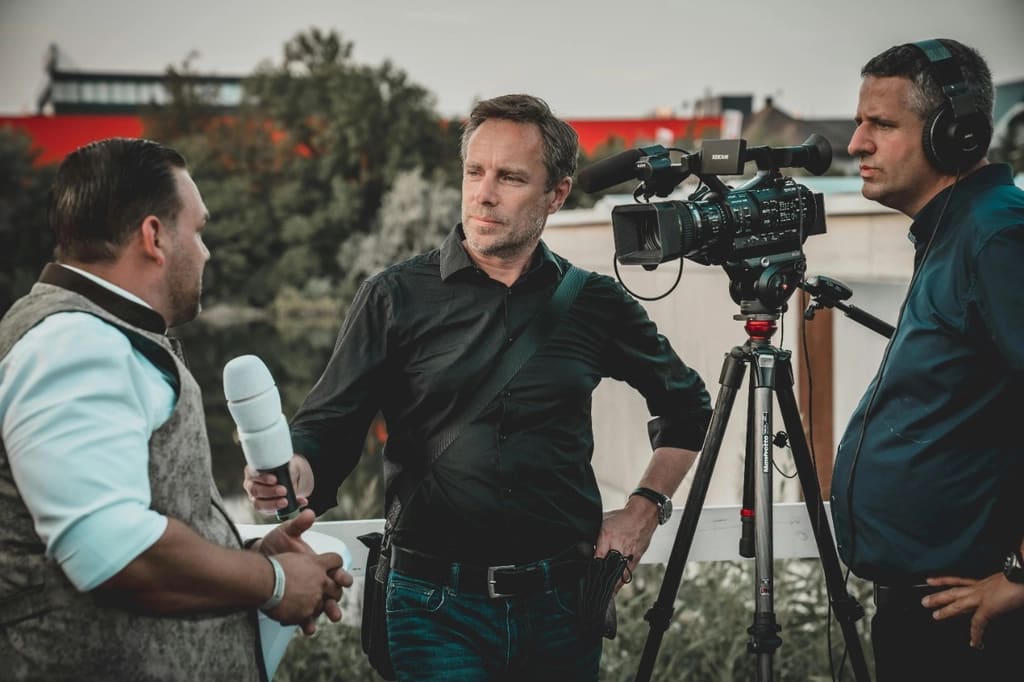
In today’s fast-paced and highly connected world, the ability to communicate clearly and confidently is more important than ever. Whether speaking to clients, presenting ideas, or responding to public attention, strong communication skills can significantly influence how individuals and organisations are perceived. This is why services such as media training in Melbourne have become increasingly valuable for professionals looking to refine their messaging and delivery.
Effective communication is no longer limited to formal presentations, it extends across interviews, meetings, and even everyday interactions.
The Growing Importance of Clear Communication
With the rise of digital platforms and constant information flow, messages are often delivered quickly and under pressure. In these situations, being able to communicate clearly and concisely is essential for professionals now more than ever.
Furthermore, the result of unclear communication is not just one bad interview or interaction. Miscommunication can lead to more serious issues of misunderstandings, missed opportunities, or reputational challenges.
On the other hand, clear and confident messaging helps build trust, strengthen relationships, and ensure that key points are understood. This requires a set of skills that need to be practiced.
Common Challenges Professionals Face
Even experienced professionals can find it difficult to communicate effectively in high-pressure situations. Being put on the spot, handling difficult questions, or speaking on TV or radio to a wider audience can create uncertainty.
Some common challenges include:
- Struggling to stay on message
- Over-explaining or losing focus
- Feeling nervous or unprepared
- Difficulty handling unexpected questions
- Inconsistent delivery across different situations
Recognising and reflecting on these challenges is the first step towards improving communication skills. Taking a look inward and intentionally reflecting goes a long way in improvement.
Building Confidence Under Pressure
Confidence plays a major role in how messages are delivered and received. When individuals feel prepared, they are more likely to communicate clearly and respond effectively to different situations.
Developing confidence often involves practice, feedback, and understanding how to structure responses. This helps individuals stay composed, even when conversations become challenging or unpredictable.
Adapting to Different Communication Settings
Not all communication situations are the same. Speaking in a formal interview requires a different approach compared to internal meetings or public presentations.
Understanding the differences in your audience and environment allows you to better adapt your communication style to suit different contexts. This is a valuable skill in consistent and effective communication. It ensures that your message remains clear while also being appropriate for the audience and situation.
Strengthening Professional Presence
Strong communication is closely linked to professional presence. The way a message is delivered, including tone, clarity, and body language, can have a lasting impact. When communication is clear and consistent, it helps reinforce credibility and professionalism. This can be particularly important for leaders, spokespeople, and individuals representing an organisation.
Communicating with Clarity and Purpose
At its core, effective communication is about delivering the right message in a way that is easy to understand. By focusing on clarity, structure, and confidence, professionals can improve how they connect with others and present their ideas.
In addition, strong media skills can have a direct impact on long-term career growth. Professionals who communicate clearly are often seen as more confident, credible, and capable of handling responsibility. Whether it’s leading a team, representing a business, or engaging with stakeholders, the ability to deliver messages effectively can open up more opportunities and strengthen professional relationships over time.
With the right approach, communication becomes a strength rather than a challenge, supporting both individual success and broader organisational goals.
About the Creator
Enjoyed the story? Support the Creator.
Subscribe for free to receive all their stories in your feed.
Comments
There are no comments for this story
Be the first to respond and start the conversation.