
Why Lightning Strikes Could Cost Power Plants Millions?
The hidden infrastructure threat driving growth in the Power Plant Lightning Protection Services Market
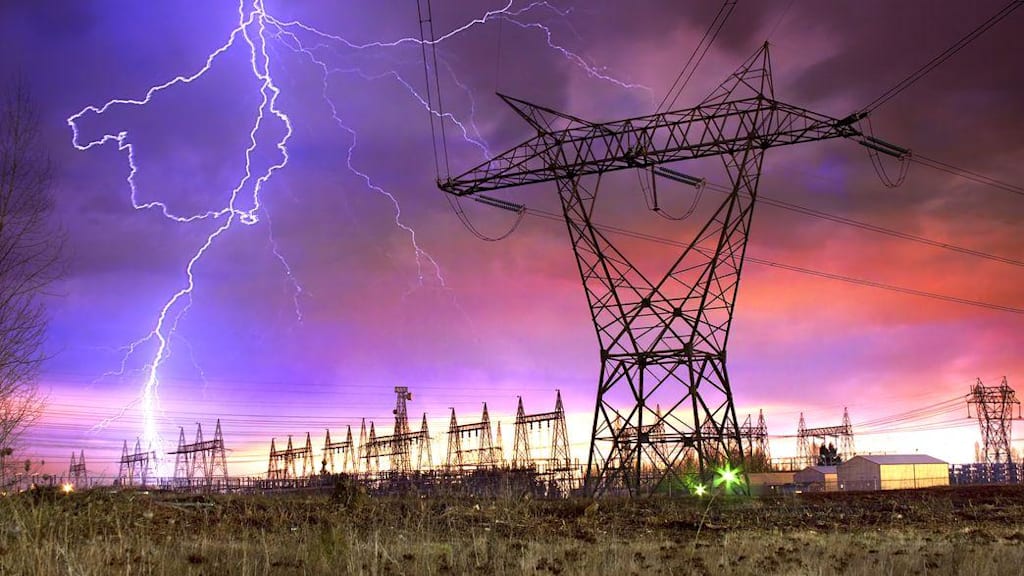
A high-resolution aerial photograph showing a powerful lightning storm above a large power generation facility, with transmission lines and energy infrastructure illuminated against a dark sky.
A brilliant flash tears across the night sky. For a moment, everything seems still. Then alarms begin sounding inside a power plant control room.
What lasted less than a second may trigger hours - or even days - of operational disruptions, equipment inspections, and costly repairs.
Lightning is one of nature's most powerful forces, yet many people rarely think about its impact on the infrastructure that powers modern life. Every day, power plants generate the electricity that keeps hospitals running, businesses operating, and homes connected. But these critical facilities face a threat that arrives without warning and can inflict significant damage in an instant.
As global electricity demand rises and nations invest heavily in new energy projects, protecting power infrastructure from lightning-related risks has become more important than ever. This growing need is helping drive the expansion of the Power Plant Lightning Protection Services Market, a specialized sector focused on safeguarding energy assets from one of nature's most unpredictable hazards.
When One Strike Becomes a Multi-Million-Dollar Problem
Lightning does far more than create dramatic weather scenes.
A direct strike can damage transformers, control systems, communication networks, switchgear, and other essential equipment within a power plant. Even indirect strikes can generate electrical surges capable of disrupting sensitive electronics that modern facilities depend upon.
The financial consequences can be substantial. Equipment replacement costs, operational downtime, maintenance expenses, and production losses can quickly add up. For utility operators, every hour of interrupted generation can affect both revenue and grid stability.
The challenge becomes even greater as power generation systems become more advanced and interconnected. Today's facilities rely on digital monitoring systems, automated controls, and sophisticated communication networks that require continuous protection from electrical disturbances.
As a result, power companies are increasingly prioritizing prevention rather than recovery.
Browse Full Report Details Followed by TOC
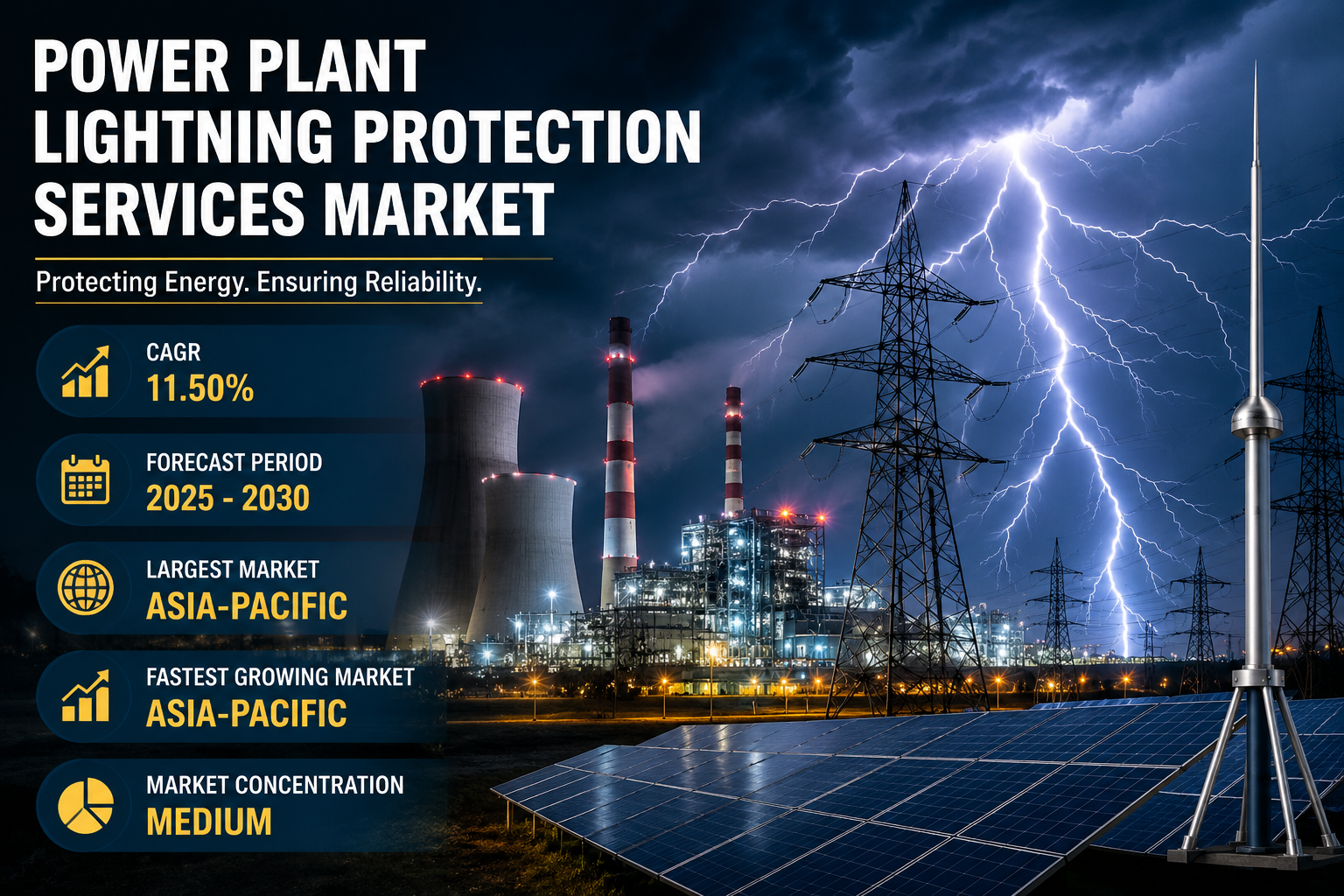
Why the Market Is Growing Rapidly
The growing awareness of lightning-related risks is creating significant opportunities across the Power Plant Lightning Protection Services Market is expected to register a compound annual growth rate CAGR of 11.5% during the forecast period. This growth reflects increasing investments in power infrastructure protection, particularly as countries expand both renewable and conventional energy generation capacity.
* Rising global electricity demand
* Increasing investments in renewable energy projects
* Modernization of aging power infrastructure
* Greater focus on grid reliability
* Growing awareness of climate-related risks
* Expansion of digital monitoring and control systems
As utilities continue investing billions of dollars in new generating assets, protecting those investments becomes a strategic priority rather than an optional expense.
For many operators, the question is no longer whether lightning protection is necessary. The question is whether they can afford to operate without it.
Renewable Energy Creates New Challenges
One of the most important drivers of market growth is the rapid expansion of renewable energy facilities.
Solar farms and wind power installations are often located in large open areas where exposure to lightning activity can be significant. Wind turbines, because of their height, can be especially vulnerable to direct strikes.
The transition toward cleaner energy is transforming power generation worldwide, but it is also introducing new infrastructure protection requirements.
A single lightning event can affect critical components such as:
* Solar panels
* Inverters
* Wind turbine blades
* Monitoring equipment
* Communication systems
* Grid connection infrastructure
As governments continue pursuing ambitious renewable energy goals, demand for specialized lightning protection services is expected to rise alongside new project development.
Asia-Pacific Leads the Way
While lightning protection is important worldwide, the strongest market growth is occurring in the Asia-Pacific region.
According to Mordor Intelligence, Asia-Pacific represents both the largest and fastest-growing regional market for power plant lightning protection services.
Several factors contribute to this leadership position. Countries across the region are experiencing rapid industrialization, expanding electricity consumption, and substantial investments in energy infrastructure. At the same time, many areas regularly experience severe thunderstorms and seasonal weather patterns that increase lightning-related risks.
Large-scale renewable energy projects, transmission network expansions, and modernization initiatives are creating sustained demand for protection services throughout the region.
As new power facilities come online, lightning protection is increasingly being integrated into project planning from the earliest stages rather than being added later as an afterthought.
The Cost of Prevention vs. The Cost of Failure
One reason lightning protection services continue gaining attention is the simple economics involved.
Preventive measures typically represent only a fraction of the total investment required to build and operate a power plant. In contrast, the consequences of equipment damage, prolonged downtime, and emergency repairs can be significantly more expensive.
For utility operators, resilience has become a competitive advantage. Reliable electricity generation supports customer confidence, regulatory compliance, and long-term profitability.
As weather patterns become more unpredictable and energy systems grow increasingly complex, infrastructure resilience is moving to the forefront of strategic planning.
Lightning may strike in an instant, but its impact can be felt for months. That reality is driving growing interest in solutions designed to keep power plants operating safely and efficiently, regardless of what happens in the sky above.
The growth of the Power Plant Lightning Protection Services Market reflects a broader shift in how the energy industry views risk management- not as a cost center, but as an essential investment in reliability and resilience.
What do you think: Should power companies invest more in preventive infrastructure protection, or focus resources on faster recovery after extreme weather events? Share your thoughts below.
About the Creator
efingutthomas
My expertise is custom research across industries such as aerospace & defense, agriculture, animal wellness, automation, automotive, chemicals, consumer goods, electronics, energy, finance, food & beverages, healthcare, hospitality and ICT
Enjoyed the story? Support the Creator.
Subscribe for free to receive all their stories in your feed.
Comments
There are no comments for this story
Be the first to respond and start the conversation.