
Why Ignoring Oral Health Could be Harming Your Mental Health
Oral Health
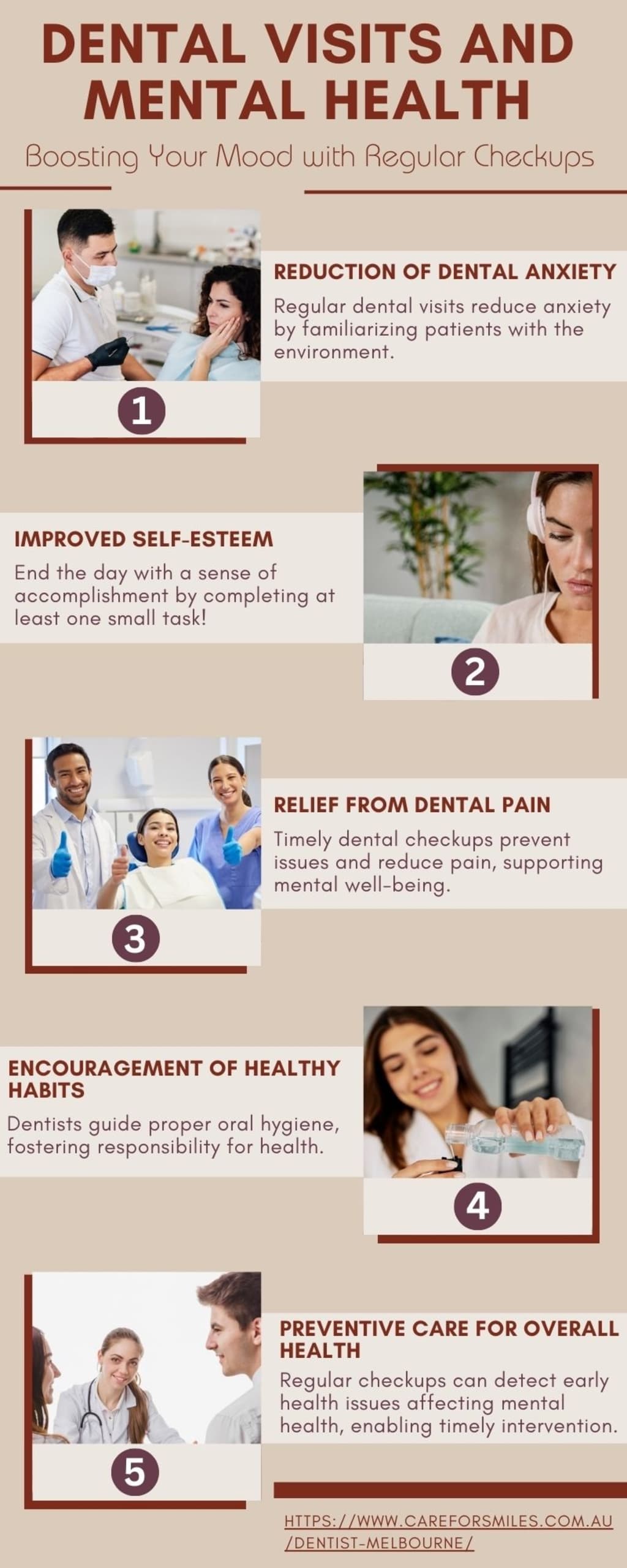
When we think about health, we often separate physical and mental well-being. However, these two aspects of our health are deeply interconnected, particularly when it comes to oral health. Ignoring oral hygiene can lead to a myriad of dental issues, such as cavities, gum disease, and tooth loss. While these conditions are often viewed as merely physical ailments, their impact can extend far beyond the mouth, affecting our mental health in significant ways.
Research has shown that poor oral health can lead to increased levels of stress, anxiety, and depression. The discomfort and pain associated with dental problems can create a cycle of distress, further exacerbating mental health issues. Moreover, individuals with visible dental issues may experience self-esteem problems, social anxiety, and even withdrawal from social interactions. This connection between oral health and mental well-being underscores the importance of maintaining good dental hygiene—not just for a healthy smile, but for a healthier mind.
In this article, we will explore the intricate relationship between oral health and mental health, highlighting how neglecting dental care can have profound consequences on your overall well-being. By understanding these connections, we can better appreciate the importance of oral hygiene as an integral part of our holistic health.
The Link Between Oral Health and Mental Health
Understanding how oral health impacts mental health requires a closer look at the various ways they influence each other. Here are some key connections that illustrate this relationship:
1. Pain and Discomfort
Chronic dental issues, such as toothaches or gum disease, can lead to persistent pain and discomfort. This physical suffering can take a toll on an individual's mental state, causing increased stress, irritability, and frustration. The constant distraction of pain can make it difficult to focus on daily tasks, negatively impacting overall productivity and quality of life.
2. Self-Esteem and Body Image
Our smiles play a significant role in how we perceive ourselves and how others perceive us. Poor oral health, such as missing teeth, discoloration, or gum problems, can lead to feelings of embarrassment and low self-esteem. Individuals may avoid social situations or hesitate to smile, fearing judgment or negative comments. This withdrawal can exacerbate feelings of loneliness and depression, creating a vicious cycle of declining mental health.
3. Social Isolation
Dental issues can lead to social isolation as individuals become self-conscious about their appearance or experience discomfort when eating or speaking. This isolation can be particularly harmful, as social interactions are crucial for emotional well-being. The lack of social support and connection can further deteriorate mental health, leading to increased anxiety and depression.
4. Nutritional Deficiencies
Oral health problems can make it difficult to eat a balanced diet. Painful chewing or swallowing can lead to a preference for soft, often less nutritious foods, resulting in nutritional deficiencies. Poor nutrition can, in turn, affect brain health, mood regulation, and overall mental well-being.
5. Inflammation and Systemic Health
Emerging research suggests that the inflammation caused by gum disease may have systemic effects on the body, including the brain. Chronic inflammation has been linked to various mental health conditions, including anxiety and depression. The connection between oral bacteria and inflammation highlights the importance of maintaining good oral hygiene not only for dental health but also for protecting mental health.
Understanding these links emphasizes the importance of prioritizing oral health. Regular dental check-ups, proper hygiene practices, and timely interventions can help prevent oral health issues, ultimately supporting mental well-being. In the next section, we will explore practical steps to improve oral health and, by extension, mental health.
Practical Steps to Improve Oral Health and Mental Well-Being
Taking proactive measures to maintain good oral health can significantly impact mental well-being. Here are several practical steps you can incorporate into your daily routine to support both your oral health and mental health:
1. Establish a Consistent Oral Hygiene Routine
Developing a consistent oral hygiene routine is essential for maintaining healthy teeth and gums. Aim to:
Brush Twice a Day: Use fluoride toothpaste and a soft-bristled toothbrush to brush your teeth for at least two minutes, morning and night.
Floss Daily: Flossing helps remove food particles and plaque from between your teeth and along the gum line, preventing gum disease.
Use Mouthwash: An antimicrobial mouthwash can help reduce bacteria in the mouth, freshen breath, and promote gum health.
2. Schedule Regular Dental Check-Ups
Regular visits to the dentist are crucial for preventive care. Aim to:
Visit Your Dentist at Least Twice a Year: Routine check-ups allow for early detection of potential dental issues, such as cavities or gum disease, and enable prompt treatment before they escalate.
Discuss Any Concerns: Be open with your dentist about any pain, discomfort, or anxiety you may experience regarding your oral health. They can provide tailored advice and treatment options.
3. Adopt a Balanced Diet
A nutritious diet plays a vital role in maintaining both oral health and mental well-being. Focus on:
Eating a Variety of Nutrient-Rich Foods: Include fruits, vegetables, whole grains, lean proteins, and dairy products in your diet. These foods provide essential vitamins and minerals that support both dental health and brain function.
Limiting Sugar and Acidic Foods: Reduce the intake of sugary snacks and beverages, as they can contribute to tooth decay. Instead, opt for healthier snacks, such as nuts, yogurt, or fresh fruit.
4. Stay Hydrated
Drinking enough water is essential for overall health, including oral health. Water helps:
Flush Out Bacteria: Staying hydrated can help wash away food particles and bacteria in the mouth, reducing the risk of tooth decay and gum disease.
Maintain Saliva Production: Saliva is essential for neutralizing acids and preventing cavities. Adequate hydration supports saliva production, contributing to oral health.
5. Manage Stress
Mental health is closely tied to oral health, so finding ways to manage stress can be beneficial. Consider:
Practicing Mindfulness or Meditation: Techniques such as meditation, yoga, or deep breathing exercises can help reduce stress levels, promoting mental well-being.
Engaging in Regular Physical Activity: Exercise is known to improve mood and reduce anxiety. Aim for at least 30 minutes of physical activity most days of the week.
6. Seek Support
If you're struggling with mental health issues related to oral health, don't hesitate to seek support. Consider:
Talking to a Mental Health Professional: A therapist or counselor can provide coping strategies and support for managing anxiety or depression stemming from oral health concerns.
Joining Support Groups: Connecting with others who share similar experiences can provide encouragement and help reduce feelings of isolation.
By implementing these practical steps, you can significantly enhance your oral health while also supporting your mental well-being. In the next section, we will summarize the key points and reinforce the importance of prioritizing both oral and mental health in your overall wellness journey.
FAQs
1. How does poor oral health affect mental health?
Poor oral health can lead to physical pain, discomfort, and self-esteem issues, which can increase stress, anxiety, and depression.
2. What are the signs that my oral health is affecting my mental well-being?
Signs may include persistent pain, avoidance of social interactions due to embarrassment about dental issues, and feelings of low self-worth related to your smile.
3. Can improving oral health enhance my mental health?
Yes, maintaining good oral hygiene and addressing dental issues can alleviate physical discomfort and boost self-esteem, positively impacting mental well-being.
4. What steps can I take to improve my oral health?
You can improve your oral health by establishing a consistent hygiene routine, visiting your dentist regularly, eating a balanced diet, staying hydrated, and managing stress.
5. Should I consult a professional if I'm struggling with both oral and mental health issues?
Absolutely. Consulting both a dentist and a mental health professional can provide comprehensive care and support, addressing both oral health concerns and mental health challenges.
About the Creator
Enjoyed the story? Support the Creator.
Subscribe for free to receive all their stories in your feed.
Comments
There are no comments for this story
Be the first to respond and start the conversation.