
Why Health Literacy Matters More Than Ever in the Digital Age
Health Literacy Matters

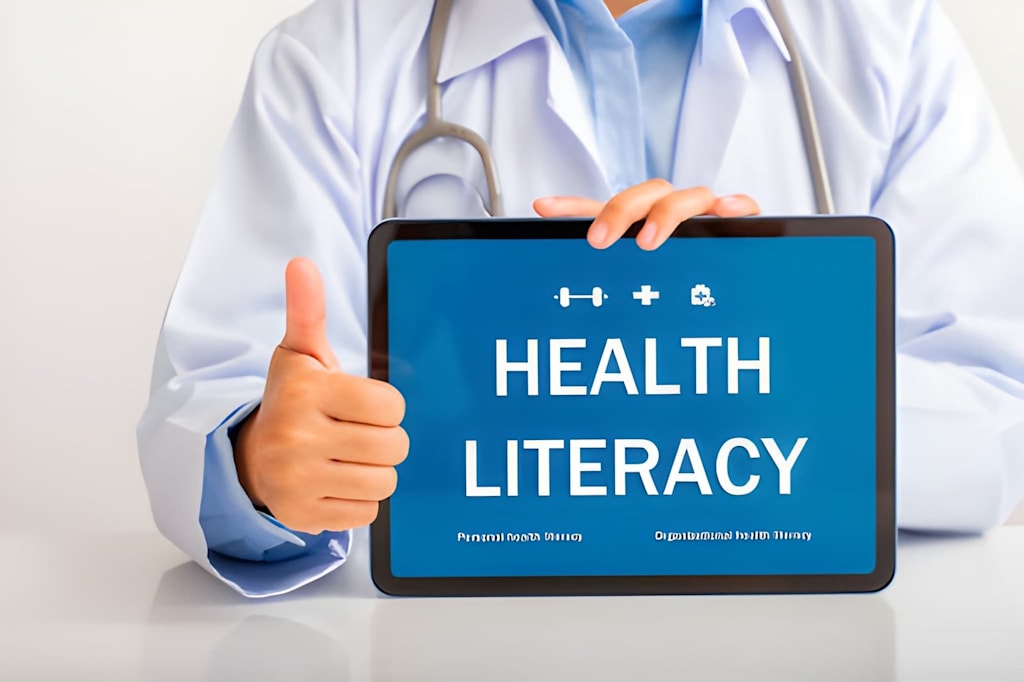
In today's digital world, finding health information has never been easier. With just a few clicks, people can learn about symptoms, treatments, nutrition, mental wellness, and preventive healthcare. While this accessibility offers tremendous benefits, it also presents a significant challenge: separating reliable information from misinformation.
Health literacy, the ability to understand and use health information effectively, has become increasingly important. Individuals who possess strong health literacy skills are better equipped to make informed decisions, communicate with healthcare providers, and manage their overall well-being.
Understanding Health Literacy
Health literacy goes beyond simply reading medical information. It involves understanding healthcare terminology, evaluating sources of information, and applying knowledge to real-life situations.
For example, when someone receives a medical diagnosis, they often research their condition online. Without adequate health literacy, it can be difficult to distinguish evidence-based information from misleading claims.
This challenge affects people of all ages and backgrounds. Even highly educated individuals may struggle to navigate complex medical information when facing unfamiliar health concerns.
The Impact of Digital Information
The internet has transformed healthcare education. Search engines, blogs, social media platforms, and online publications provide instant access to medical content.
While many reputable organizations publish accurate information, misleading health advice can spread quickly online. Unverified claims regarding treatments, diets, supplements, or medical conditions can sometimes lead people to make poor health decisions.
This is why healthcare professionals consistently encourage patients to seek information from trustworthy and educational sources.
Common Challenges People Face
Many individuals encounter difficulties when searching for health information online.
Information Overload
Thousands of articles may appear for a single health-related search query. Determining which sources are credible can be overwhelming.
Medical Terminology
Healthcare content often contains technical language that may be difficult for the average reader to understand.
Conflicting Advice
Different websites sometimes offer contradictory recommendations, creating confusion and uncertainty.
Social Media Misinformation
Health-related content on social platforms may prioritize engagement rather than accuracy, leading to the spread of misleading information.
How to Identify Reliable Health Information
Developing critical thinking skills is essential when evaluating online health content.
Readers should look for information that:
* Is written in a clear and balanced manner.
* References research or professional expertise.
* Avoids sensational headlines and exaggerated claims.
* Focuses on education rather than fear.
* Is updated regularly to reflect current knowledge.
Trustworthy educational platforms play an important role in helping readers stay informed about health, wellness, lifestyle, and emerging healthcare topics.
The Connection Between Health Literacy and Better Outcomes
Research consistently shows that individuals with higher levels of health literacy often experience better healthcare outcomes.
They are more likely to:
* Follow treatment recommendations.
* Understand medication instructions.
* Attend preventive screenings.
* Communicate effectively with healthcare providers.
* Make healthier lifestyle choices.
Improved health literacy benefits not only individuals but also healthcare systems by reducing misunderstandings and improving patient engagement.
The Role of Educational Content
Educational content serves as a bridge between complex medical knowledge and everyday understanding.
Well-written articles help readers understand healthcare topics without requiring specialized training. Whether discussing nutrition, mental wellness, preventive care, or healthcare trends, educational resources make valuable information more accessible.
Many readers regularly explore platforms such as MagStories to stay informed about health, wellness, lifestyle, and educational topics that impact everyday life.
Building a More Informed Future
As technology continues to evolve, access to information will become even greater. However, access alone is not enough. Individuals must also develop the skills needed to evaluate information critically and apply it responsibly.
Schools, healthcare organizations, content creators, and digital publishers all have a role to play in promoting health literacy and encouraging informed decision-making.
By focusing on education, accuracy, and accessibility, online health resources can empower individuals to take greater control of their well-being.
Final Thoughts
Health literacy is no longer an optional skill in the digital age. The ability to understand, evaluate, and use health information effectively has become essential for making informed decisions and maintaining overall well-being.
As more people turn to online resources for guidance, the importance of trustworthy, educational content will continue to grow. By choosing credible sources and developing stronger health literacy skills, individuals can confidently navigate today's complex healthcare landscape and make better decisions for themselves and their families.
About the Creator
Nancy ryan
May name is Nancy Ryan, a healthcare content writer and SEO specialist with expertise in medical billing, revenue cycle management, insurance claims, and healthcare operations.
Enjoyed the story? Support the Creator.
Subscribe for free to receive all their stories in your feed.
Comments
There are no comments for this story
Be the first to respond and start the conversation.