
Why Flexible Transportation Has Become a Core Part of the Modern Gig Economy
The Rise of App-Based Work

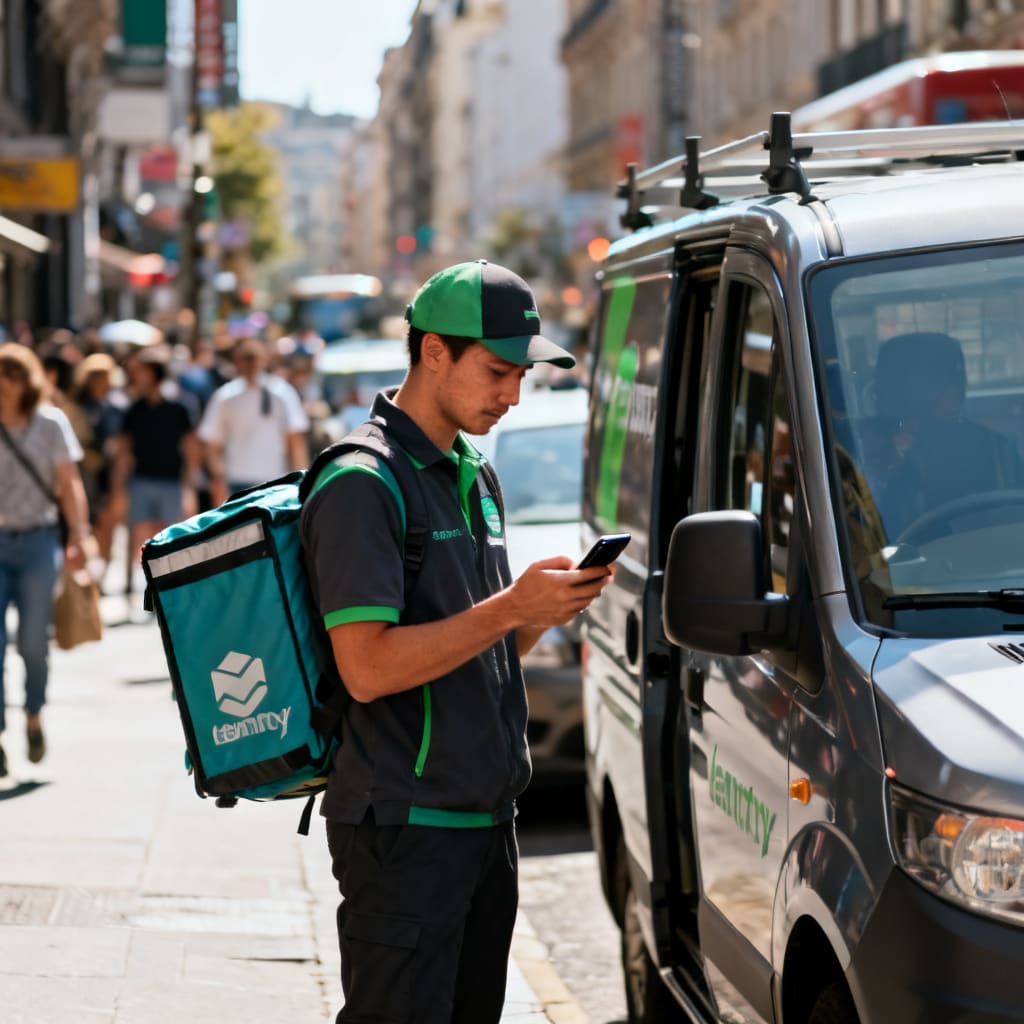
Over the last few years, the job market has changed dramatically.
More people are now working independently instead of following traditional employment models.
Delivery apps
Ride-sharing platforms
Freelance services
These opportunities have created flexible income options for millions of workers.
For many people, this flexibility is one of the biggest advantages of gig-based work.
The Hidden Challenge Behind Delivery Work
At first glance, delivery driving may seem simple.
Pick up orders
Deliver them
Earn income
But over time, I realized that one factor affects almost everything in this type of work: transportation.
Without reliable transportation, earning opportunities become unstable.
Missed deliveries, delays, or breakdowns can directly affect income and ratings.
The Financial Pressure of Vehicle Ownership
Initially, I assumed owning a personal vehicle was always the best option for delivery drivers.
But after looking deeper, I noticed how expensive vehicle ownership can become.
Monthly payments
Insurance
Repairs
Maintenance
Depreciation
These costs continue regardless of how much income a driver earns in a particular month.
This creates financial pressure, especially for people working in flexible or inconsistent schedules.
A Shift in Perspective
Eventually, I realized that many workers value flexibility more than ownership itself.
The ability to access transportation without long-term commitments can be more practical for certain work models.
This completely changed how I viewed transportation in the gig economy.
A Practical Realization
During this phase, I explored the growing demand for rental cars for delivery drivers, which provide workers with temporary vehicle access that supports flexible earning opportunities without the full financial burden of ownership.
This highlighted how transportation models are evolving alongside modern work trends.
Why Flexibility Matters More Than Ever
One of the biggest advantages of flexible transportation is adaptability.
Drivers can:
Start working quickly
Adjust schedules easily
Avoid long-term financial obligations
This flexibility helps people respond more effectively to changing income needs and work opportunities.
Lowering Financial Risk
Vehicle ownership comes with risks that many people underestimate.
Unexpected repairs alone can create major financial stress.
For gig workers with fluctuating income, large maintenance costs can become difficult to manage.
Flexible transportation solutions reduce some of this uncertainty.
Reliable Transportation Supports Consistent Earnings
Consistency matters heavily in delivery work.
Reliable transportation improves:
Delivery speed
Customer satisfaction
Platform ratings
This directly affects earning potential over time.
A dependable vehicle is not just transportation—it becomes part of the income system itself.
The Connection Between Convenience and Productivity
Convenience has become one of the most valuable aspects of modern work.
Workers now prioritize systems that help them operate efficiently.
Flexible transportation solutions fit this mindset because they remove some of the operational burden connected to ownership.
A Lesson for Gig Workers
If there’s one thing I would say, it’s this: income opportunities should always be balanced with financial practicality.
Working more does not automatically create stability if expenses continue increasing.
Understand your costs.
Protect your flexibility.
Choose systems that support sustainable income.
Managing Operational Costs More Carefully
One of the biggest lessons I learned was how important expense management is for independent workers.
Fuel, maintenance, and insurance can quietly reduce profitability over time.
Drivers who manage transportation costs effectively often maintain stronger financial stability.
Adapting to the Future of Work
The gig economy reflects a much larger shift in modern employment trends.
People increasingly value:
Flexibility
Accessibility
Independence
Traditional ownership models are slowly being reconsidered as more workers prioritize adaptability.
Why Accessibility Creates Opportunity
Transportation access directly affects earning opportunities.
Without reliable mobility, many delivery jobs become impossible.
Flexible transportation systems help remove barriers and create easier entry into gig-based work.
Thinking Beyond Ownership
For years, ownership was considered the ultimate financial goal.
But modern work environments are changing that mindset.
For many workers, access and flexibility now matter just as much as ownership itself.
This shift reflects how the economy continues evolving.
Final Thoughts
Looking back, I realized that the success of many gig workers depends heavily on practical operational decisions rather than effort alone.
Transportation affects income consistency, flexibility, and financial stability more than most people initially realize.
Because in the end, sustainable gig work is not just about finding opportunities—it’s about building systems that allow workers to adapt efficiently without creating unnecessary financial pressure.
And when transportation solutions align with the realities of modern work, they help create a more stable and flexible path for independent earners.
About the Creator
Jack Root
Jack Root delivers innovative IT & software solutions — from web & app development to ERP & SAP training — empowering businesses to grow.
Enjoyed the story? Support the Creator.
Subscribe for free to receive all their stories in your feed.
Comments
There are no comments for this story
Be the first to respond and start the conversation.