
Why Choose Online Therapy Services for Mental Health Support?
Online Therapy Services

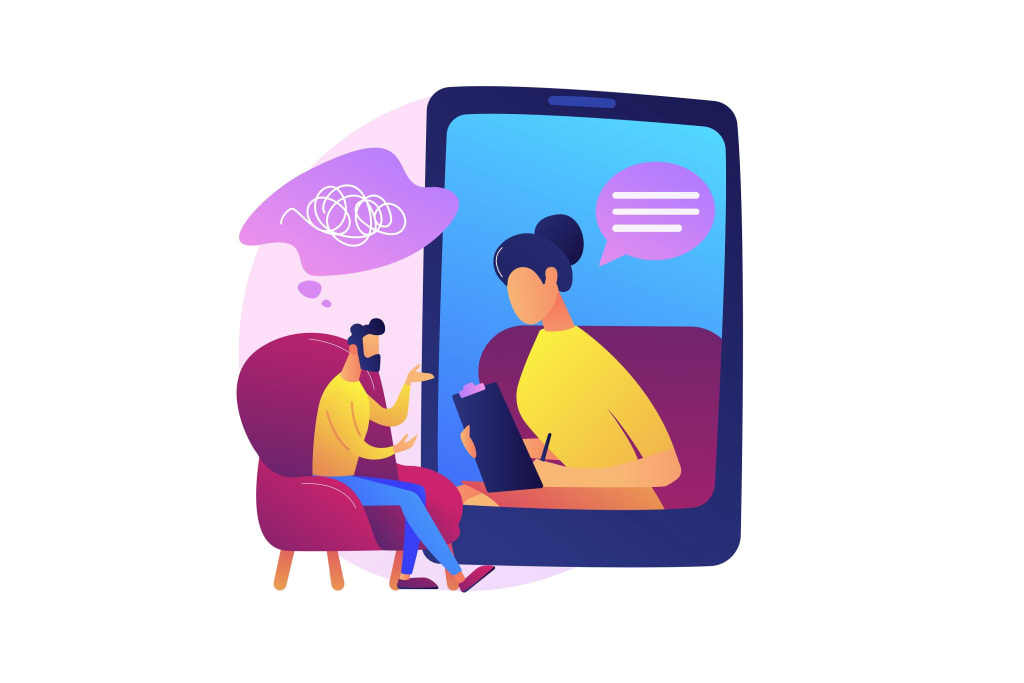
In today’s fast-paced digital age, mental health is becoming an essential focus for individuals across all walks of life. As more people recognize the importance of emotional well-being, online therapy services have emerged as a powerful and accessible solution for mental health support. This article explores the many reasons why online therapy is a preferred choice, its benefits, and how it can transform your journey toward better mental health.
What Are Online Therapy Services?
Online therapy, also known as teletherapy or e-therapy, involves professional mental health counseling provided over the internet. This can include video calls, phone sessions, messaging, or chat platforms. Licensed therapists use secure and confidential tools to connect with clients, offering the same quality of care as traditional, in-person therapy sessions.
The Growing Popularity of Online Therapy Services
Over the past decade, online therapy has witnessed exponential growth due to its ease of access and convenience. According to industry statistics, millions of people worldwide now rely on online platforms to access therapy. Factors such as increasing mental health awareness, technological advancements, and global challenges like the COVID-19 pandemic have further accelerated its adoption.
Benefits of Choosing Online Therapy for Mental Health
1. Convenience and Flexibility
One of the most significant advantages of online therapy is its unmatched convenience. Whether you have a packed work schedule, family responsibilities, or physical limitations, online therapy allows you to access mental health support at a time and place that suits you. There's no need to commute, reducing both time and financial costs.
2. Broader Access to Licensed Professionals
Online therapy services bridge the geographical gap, enabling individuals to connect with licensed professionals from around the world. This means that even those in remote or underserved areas can access high-quality mental health care without leaving their homes.
3. Privacy and Confidentiality
For many, the idea of walking into a therapist’s office can feel daunting. Online therapy provides a discreet and secure environment where individuals can share openly without fear of judgment. Leading platforms ensure all communications are encrypted and confidential.
4. Cost-Effective Solutions
Online therapy often comes at a fraction of the cost of traditional in-person sessions. Without the need for office space or physical resources, many providers offer affordable pricing plans. Additionally, some platforms accept insurance, making mental health support accessible to even more individuals.
5. Wide Range of Therapies Available
Online therapy platforms offer a diverse array of treatment options, including cognitive behavioral therapy (CBT), dialectical behavior therapy (DBT), and specialized counseling for anxiety, depression, trauma, and more. This variety ensures that individuals can find a therapeutic approach that aligns with their unique needs.
Who Can Benefit from Online Therapy?
1. Busy Professionals
People juggling demanding work schedules often struggle to make time for self-care. Online therapy provides the flexibility to schedule sessions during breaks, after hours, or even on weekends.
2. Individuals in Remote Locations
For those living in rural or underserved areas, accessing quality mental health care can be challenging. Online therapy eliminates this barrier, connecting clients with professionals regardless of location.
3. People with Limited Mobility
Online therapy is an ideal solution for individuals with physical disabilities or chronic illnesses that make traveling difficult. It ensures that they can receive support without leaving their homes.
4. Students and Young Adults
College students and young adults often face unique mental health challenges. With the stress of academics, social pressures, and career planning, online therapy offers an accessible and relatable resource for emotional support.
How to Choose the Right Online Therapy Service
1. Look for Licensed Therapists
Ensure that the platform you choose has certified and licensed therapists with relevant experience in addressing your specific concerns.
2. Check for Secure Communication Tools
Data privacy is critical when it comes to online therapy. Reputable platforms use HIPAA-compliant tools to protect your personal and medical information.
3. Consider Pricing and Insurance Options
Before committing to a service, review its pricing plans and whether it accepts your health insurance. Many platforms offer free trials or sliding-scale fees to accommodate different budgets.
4. Read Reviews and Testimonials
Online reviews and testimonials can provide valuable insights into the platform’s reliability, user experience, and quality of service. Look for platforms with a high satisfaction rate and positive client feedback.
Top Online Therapy Platforms to Consider
- BetterHelp: Known for its extensive network of licensed therapists, BetterHelp offers flexible session options via video, phone, or chat.
- Talkspace: Ideal for those seeking therapy covered by insurance, Talkspace provides messaging and live therapy sessions.
- Cerebral: Specializing in mental health medication and therapy, Cerebral offers affordable plans for comprehensive care.
- 7 Cups: A platform focused on peer support and therapy, 7 Cups provides a free option for emotional assistance.
The Future of Mental Health Care is Digital
As technology continues to evolve, online therapy is poised to become an integral part of mental health care. It addresses critical barriers such as cost, accessibility, and stigma, making therapy more inclusive and effective. By choosing online therapy, individuals can prioritize their mental health without compromising on convenience or quality.
About the Creator
Elina Polyakov
I arrived in the United States from Latvia as a teenager, so I understand the complexities of building a life in a new place, navigating pressures to succeed, and maintaining a sense of identity and belonging as an immigrant.
Enjoyed the story? Support the Creator.
Subscribe for free to receive all their stories in your feed.
Comments
There are no comments for this story
Be the first to respond and start the conversation.