
Why Choose an Urgent Care Center over the Emergency Room?
Find the Top Advantages of Choosing an Urgent Care Center for Non-Life Threatening Conditions

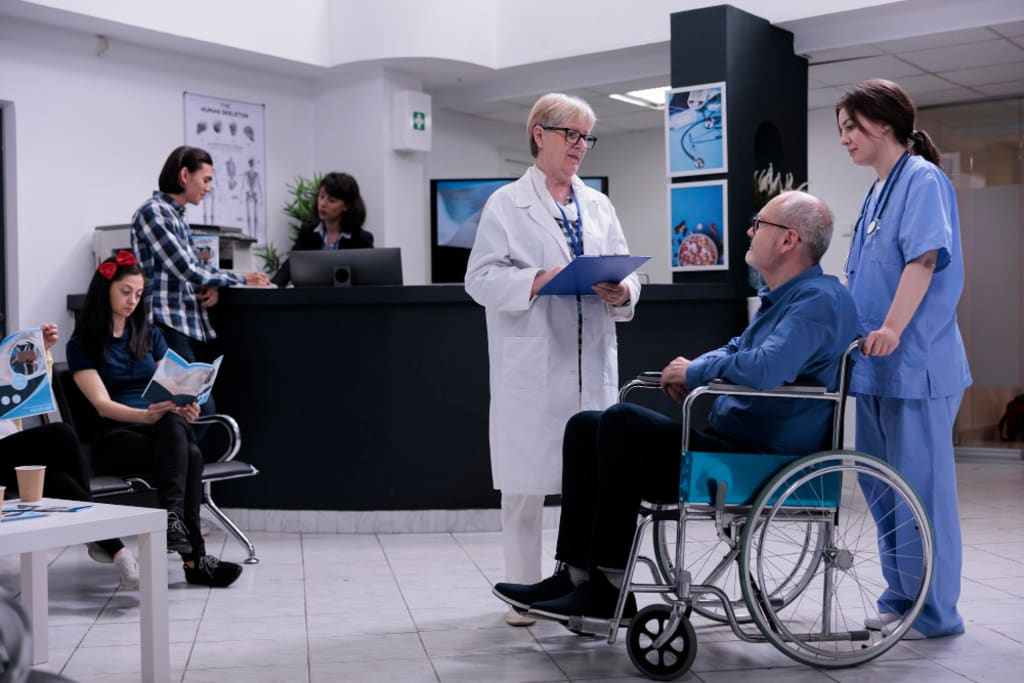
When you or a loved one requires medical attention for a non-life-threatening issue, one of the most important decisions is where to go for care. Many people often default to heading straight to the Emergency Room (ER), but for conditions that are not immediately life-threatening, an Urgent Care Center (UCC) may be a more appropriate option. These centers provide a range of healthcare services for conditions that need prompt attention but aren't emergencies. In this article, we’ll explore the top reasons why you might want to consider choosing an urgent care center over an emergency room for non-life-threatening issues.
Top 10 Reasons to Opt for Urgent Care Center Over the Emergency Room
1. Cost-Effective Care
One of the most significant reasons to choose an urgent care center is cost savings. Emergency room visits can be expensive, often due to the high overhead costs of running an ER facility, the involvement of specialists, and the complexity of emergency care services. According to the Healthcare Cost and Utilization Project (HCUP), an ER visit can cost several hundred dollars to thousands depending on the severity of the situation.
Urgent care centers, on the other hand, are generally more affordable. The average cost of an urgent care visit is much lower than that of an ER, with some visits costing as little as a few hundred dollars. For patients with high-deductible insurance plans or those who are uninsured, this price difference can be a crucial factor in deciding where to seek care.
2. Shorter Wait Times
Waiting times in emergency rooms can be long, particularly during peak hours or in hospitals dealing with a high volume of patients. Emergency rooms prioritize patients based on the severity of their conditions, so those with minor injuries or illnesses may face long waits.
Urgent care centers tend to have shorter wait times, often because they are designed to handle less critical cases. Many urgent care centers also offer walk-in services and allow patients to check-in online, which streamlines the process. As a result, you can often be seen and treated much quicker than in an ER, especially for minor injuries such as sprains, cuts, or mild fevers.
3. Convenient Hours of Operation
Another significant advantage of urgent care centers is their extended hours of operation. While emergency rooms are available 24/7, urgent care centers often offer extended evening and weekend hours, making them ideal for situations that arise after normal office hours or on weekends. Many urgent care centers are open from 8 a.m. to 8 p.m. or later, and some are even open on holidays.
This flexibility is perfect for individuals who need prompt care outside of traditional doctor’s office hours but don't require the high level of care that an ER provides. The convenience of urgent care centers allows patients to receive timely care without the hassle of long ER waits.
4. Specialized Care for Minor Injuries and Illnesses
Urgent care centers specialize in treating non-life-threatening conditions, such as sprains, fractures, mild burns, minor cuts, colds, flu, and urinary tract infections (UTIs). They also provide diagnostic services such as lab work, X-rays, and even stitches for small wounds. These conditions don't require the full array of emergency services available in an ER but do benefit from immediate attention.
By choosing an urgent care center, you are more likely to receive care from healthcare professionals who specialize in dealing with these kinds of situations. The providers at UCCs are trained to diagnose and treat a wide range of illnesses and injuries that are not considered medical emergencies, ensuring that you get the right care quickly and efficiently.
5. Streamlined, Focused Service
Urgent care centers have a streamlined approach to care, which allows them to focus on a specific set of conditions and illnesses. In an ER, the healthcare providers often juggle a wide array of medical emergencies, which means that resources, time, and attention might be diverted to more critical patients.
At an urgent care center, the staff is typically able to give more attention to patients with non-emergency issues. This often results in a faster, more efficient experience for patients who do not require complex diagnostic workups or specialized care. This focused approach can lead to a smoother, less stressful visit for patients with common ailments.
6. Comprehensive Services at Your Fingertips
Many urgent care centers offer a wide range of services that go beyond just walk-in medical visits. For example, some provide flu shots, physicals, vaccinations, and travel medicine consultations. Additionally, they may offer minor surgical services, such as draining abscesses or removing foreign objects from the body.
Many urgent care centers are also equipped with diagnostic tools, including X-ray machines and laboratory testing facilities. This means that in a single visit, a patient can receive both diagnosis and treatment for conditions that would otherwise require multiple appointments or referrals to specialists.
7. Less Risk of Infection
Hospital emergency rooms can sometimes be a breeding ground for hospital-acquired infections (HAIs), particularly in crowded waiting rooms. For individuals seeking care for minor ailments, being in a busy ER full of critically ill patients can expose them to a higher risk of contracting infections.
Urgent care centers generally have fewer patients and are more focused on lower-risk cases. This can reduce the chance of coming into contact with serious infections, particularly for individuals with weakened immune systems or those who are simply concerned about avoiding exposure to germs.
8. No Need for an Appointment
While many primary care doctors require appointments, urgent care centers generally do not. If you experience a minor injury or illness that requires immediate care, you don’t need to wait days for an appointment or try to navigate a complex scheduling system. Urgent care centers often accept walk-in patients, so you can simply show up when you need care.
For conditions that are not severe enough to warrant a trip to the ER, this walk-in model allows for greater flexibility and convenience. You can often walk in without an appointment, get evaluated by a provider, and leave with the appropriate treatment, all in a relatively short amount of time.
9. Expert Medical Staff with the Right Level of Training
Despite the fact that urgent care centers are designed to handle non-emergency medical issues, they still employ highly trained healthcare professionals. Medical professionals in these centers are typically board-certified physicians, physician assistants (PAs), and nurse practitioners (NPs), all trained to handle the types of situations that urgent care centers are designed to address.
Many urgent care centers also have partnerships with nearby hospitals or emergency facilities, ensuring that if you need more advanced treatment, a smooth transition to a higher level of care is readily available.
10. Better for Follow-Up Care
In cases where follow-up care or prescription refills are needed, urgent care centers can be a good resource. Some centers offer follow-up appointments or provide referrals to specialists if necessary. While ERs can provide treatment for emergencies, they aren't typically designed for ongoing care or follow-up visits. Urgent care centers, however, are more equipped to handle short-term care and can give you the support you need to manage recovery from minor injuries or illnesses.
Conclusion
Choosing between an urgent care center and an emergency room can be a difficult decision, but when it comes to non-life-threatening situations, urgent care centers offer significant advantages. They are more affordable, provide faster and more focused care, operate during convenient hours, and offer a comprehensive range of services. For minor injuries or illnesses that require prompt attention but are not life-threatening, urgent care centers provide a much-needed, efficient, and cost-effective alternative to the emergency room. By knowing when to seek care at an urgent care center, you can save time, money, and avoid unnecessary stress.
About the Creator
FastCare Urgent Care
FastCare is a trusted walk-in urgent care center providing convenient, high-quality medical care without the need for an appointment. Open 365 days a year, including holidays. https://myfastcare.com/
Enjoyed the story? Support the Creator.
Subscribe for free to receive all their stories in your feed.
Comments