
Why Car Dealerships Get Involved in Title Washing
Lack of Knowledge Can Lead to Exploitation

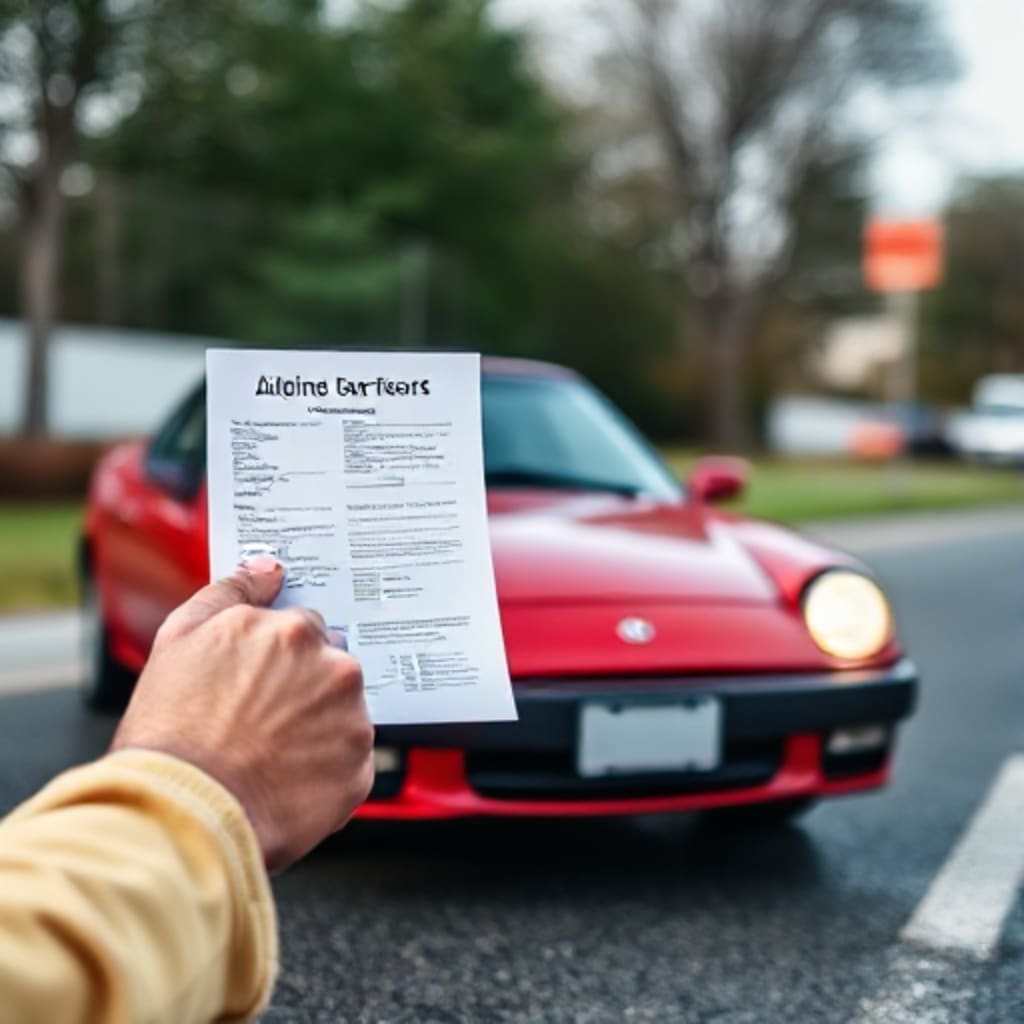
Title washing is an illegal practice where the history of a vehicle, particularly its title designation, is deliberately concealed or altered to mislead potential buyers. This often involves erasing "branded" titles—labels like "salvage," "flood-damaged," or "rebuilt"—which indicate significant past damage or issues with the vehicle. While the practice is unethical and prohibited by law, some car dealerships still get involved in title washing for various reasons, driven by greed, market pressures, and the pursuit of quick profits.
1. Maximizing Profits by Reselling Damaged Cars
One of the primary reasons car dealerships engage in title washing is the potential to make a substantial profit on vehicles that would otherwise be sold at significantly lower prices. A car with a salvage or flood-damaged title might fetch only a fraction of its value in its damaged state. By removing the branded title, dealerships can sell the car as if it were in pristine condition, often for a much higher price. This financial incentive is a powerful motivator, despite the legal and ethical risks.
2. Taking Advantage of Legal Loopholes
Title washing often exploits differences in state laws governing vehicle titles. For example, some states are less stringent about labeling vehicles as "salvage" or have more lenient processes for rebranding a title. Unscrupulous dealerships may transfer vehicle titles through these states to remove the branded designation. This process allows them to reintroduce the car to the market with a "clean" title, obscuring its true history.
3. Pressure to Clear Inventory Quickly
Car dealerships often face immense pressure to maintain high turnover rates, especially for used vehicles. Damaged cars with branded titles can sit on the lot for extended periods, tying up valuable space and resources. By engaging in title washing, dealerships can move these vehicles more quickly, avoiding the financial strain of holding onto unsellable inventory. This need to clear stock expediently can drive unethical decision-making.
4. Exploiting Buyers’ Lack of Knowledge
Not all buyers are well-informed about the risks associated with title-washed cars. Some dealerships capitalize on this lack of awareness, knowing that many customers won’t request vehicle history reports or thoroughly inspect the title’s authenticity. By presenting the car with a "clean" title, dealerships can gain the trust of unsuspecting buyers who might otherwise steer clear of damaged vehicles.
5. Competitive Market Pressures
The used car market is highly competitive, and dealerships constantly look for ways to outperform rivals. Offering vehicles with a clean history, even if it's falsified, can give them an edge over competitors. The perception of selling high-quality cars at attractive prices can help dealerships build their reputation, at least temporarily, and drive customer traffic to their lot.
6. Collaboration with Unscrupulous Middlemen
Some dealerships collaborate with third-party companies or individuals specializing in title washing. These middlemen often handle the title transfer process across state lines, creating a sense of distance between the dealership and the fraudulent activity. By outsourcing this unethical task, dealerships can maintain plausible deniability while still benefiting from the sale of washed-title vehicles.
7. Misrepresentation and Fraud
Title washing often involves altering or falsifying documents to hide the vehicle's true history. In some cases, dealerships knowingly misrepresent such cars to customers, creating false confidence in the purchase. While this practice can boost short-term sales, it severely damages trust in the long run when customers discover the fraud, sometimes leading to lawsuits or investigations.
8. The Consequences of Title Washing
While title washing may seem like a lucrative shortcut, it comes with significant risks for dealerships. Legal consequences, including hefty fines, loss of licenses, and even jail time, can result from engaging in this illegal practice. Moreover, dealerships caught title washing suffer immense reputational damage, eroding customer trust and making it difficult to sustain their business. For consumers, title washing can lead to financial loss, safety risks, and frustration, highlighting the broader harm caused by this unethical behavior.
In conclusion, while the financial allure of title washing tempts some car dealerships, the practice is ultimately unsustainable and detrimental to all parties involved. Stricter enforcement of laws and increased consumer education are crucial to curbing this harmful trend and fostering a more ethical marketplace
If you realize that you fall victim to a fraud dealership, you should immediately consult with an auto fraud attorney Florida who can help you take the right action at the right time to save you from any financial and mental loss.
About the Creator
Sue Your Dealer
Sue Your Dealer - An Auto Fraud Attorney that focuses on bringing automakers and dealerships accountable for defrauding customers in Florida, Vermont, and Washington, D.C.
Enjoyed the story? Support the Creator.
Subscribe for free to receive all their stories in your feed.
Comments
There are no comments for this story
Be the first to respond and start the conversation.