
Why Brass and Copper Are Essential for Sustainable Living
In today’s rapidly evolving world, the push toward sustainability is more than a trend—it is a global imperative.
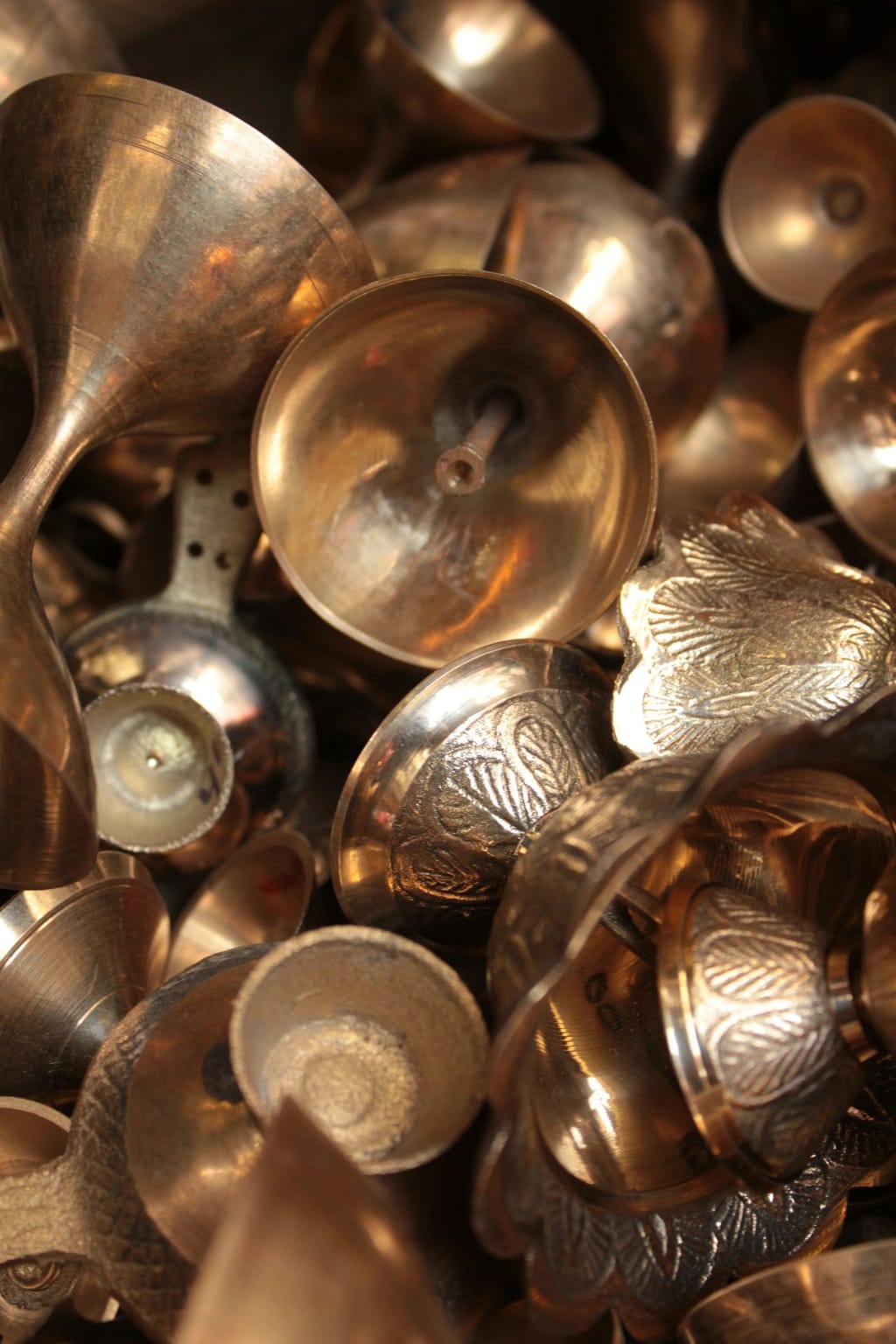
In today’s rapidly evolving world, the push toward sustainability is more than a trend—it is a global imperative. From the materials we use to the systems we build, every element of our daily lives is being reevaluated through the lens of environmental responsibility. In this context, brass and copper have emerged not just as traditional materials with ancient origins, but as critical assets in the journey toward a greener, more sustainable future.
The Green Credentials of Brass and Copper
Both brass and copper are non-ferrous metals known for their strength, longevity, and recyclability. Brass, an alloy of copper and zinc, and copper itself can be recycled infinitely without losing their inherent properties. This recyclability alone places them at the forefront of sustainable material choices.
According to global industry statistics, over 80% of all copper ever mined is still in use today—testament to its value, durability, and effectiveness in various applications. Brass similarly benefits from a closed-loop recycling process, making it ideal for industries seeking sustainable raw materials.
1. Recyclability and Circular Economy
One of the strongest arguments in favor of brass and copper is their role in the circular economy. Unlike plastics and many other synthetic materials that degrade in quality upon recycling, these metals retain their performance characteristics.
Copper Recycling: Recycled copper uses up to 85% less energy than primary production and significantly reduces carbon emissions.
Brass Reuse: Brass components from plumbing, machinery, and even decorative fixtures can be remelted and reused in new products without compromising quality.
This ability to circulate through economies without creating waste makes brass and copper prime candidates for sustainable product design.
2. Energy Efficiency in Infrastructure
Copper, in particular, is known for its superior electrical and thermal conductivity. This property translates directly into energy efficiency when used in building infrastructure, transportation systems, and energy networks.
Electrical Wiring: Homes and commercial buildings equipped with copper wiring consume less energy due to minimal resistance.
Heat Exchangers: Copper pipes in HVAC systems transfer heat more effectively, resulting in reduced power consumption and lower emissions.
LED Lighting Systems: Copper is used in energy-efficient LED lighting systems, contributing to lower operational costs and longer life spans.
Brass, while not as conductive as pure copper, also plays a key role in fluid and gas systems that prioritize leak resistance and longevity—two critical features in sustainable construction.
3. Sustainable Water Management
Access to clean water is one of the most pressing sustainability issues of our time. Both copper and brass are instrumental in ensuring safe, efficient water distribution systems.
Antimicrobial Properties: Copper and its alloys naturally kill bacteria and viruses, reducing the risk of contamination in drinking water systems.
Durability: Brass and copper plumbing fixtures do not corrode easily, leading to longer-lasting systems that require fewer replacements and repairs.
Low-Maintenance Lifespan: Their resilience reduces the environmental footprint associated with frequent maintenance and replacement.
These benefits make them ideal materials for water management systems in eco-friendly housing and green-certified commercial buildings.
4. Key Materials in Renewable Energy
The global shift toward renewable energy is heavily dependent on materials that can perform efficiently while withstanding extreme conditions. Brass and copper are integral to several green technologies.
Solar Panels: Copper is a key component in photovoltaic cells, inverters, and wiring that enable solar energy generation and storage.
Wind Turbines: Copper is used in generators and power cables within wind turbines for high-efficiency power transfer.
Electric Vehicles (EVs): Both copper and brass are used in EV motors, batteries, and charging infrastructure due to their conductivity and resistance to wear.
Copper Plate Dealer In India use not only enhances the performance of these systems but also extends their lifespan, improving the return on environmental and financial investment.
5. Low-Impact Manufacturing and Design
Sustainable living isn't just about end-use efficiency; it begins at the manufacturing level. The production of brass and copper components is increasingly being done in energy-efficient, low-waste facilities.
Eco-Friendly Alloys: Modern manufacturing is producing lead-free brass alternatives, safer for both people and the planet.
Design for Disassembly: Components made from brass and copper are easily separable for recycling, supporting cradle-to-cradle product philosophies.
Reduced Emissions: Manufacturers using recycled copper and brass drastically reduce emissions compared to processing virgin materials.
By integrating brass and copper into eco-conscious product design, companies are aligning themselves with sustainability goals from the ground up.
6. Architecture and Urban Planning
In urban environments, sustainable architecture is essential to reducing carbon footprints. Brass and copper provide both aesthetic and functional benefits in green buildings.
Green Roofs and Cladding: Copper sheets are used for roofing and exterior panels because they age gracefully, resist weathering, and last for decades without treatment.
Interior Fixtures: Brass is used for fixtures and fittings not only for its beauty but also for its antimicrobial qualities, especially in public spaces.
LEED Certification: Use of sustainable materials like copper and brass contributes positively toward LEED and other green building certifications.
These materials support net-zero and energy-positive building goals, which are becoming the gold standard in sustainable urban development.
7. Health and Well-being in Living Spaces
Sustainability also means creating healthy environments for people to live and work in. Copper and brass contribute to cleaner, safer spaces.
Antimicrobial Touch Surfaces: Door handles, railings, and light switches made of copper or brass reduce the spread of pathogens in homes, offices, and healthcare settings.
Non-Toxic Components: Unlike some modern synthetic materials, brass and copper do not release harmful volatile organic compounds (VOCs) over time.
As awareness of indoor air quality and surface hygiene grows, these metals are gaining traction in wellness-focused home design.
8. Art, Culture, and Timeless Craftsmanship
In sustainable living, aesthetics and longevity matter. Brass and copper offer unmatched artistic value and have been used for centuries in functional art and cultural expression.
Long-Lasting Décor: Decorative items made from these metals can last for generations, reducing the waste associated with throwaway trends.
Repairable and Reusable: Brass and copper objects can be refurbished rather than discarded, supporting a culture of reuse and appreciation for craftsmanship.
This cultural sustainability supports mindful consumption and adds personal value to living spaces.
Conclusion: Future-Ready Metals for a Sustainable World
Brass and copper are not just industrial materials; they are partners in sustainable living. Their durability, recyclability, antimicrobial properties, and energy efficiency make them crucial in every sector committed to green innovation—from infrastructure and energy to healthcare and housing.
As we collectively move toward smarter, more responsible lifestyles, the significance of choosing from Copper And Brass metals Products Manufacturer and its materials that align with ecological goals becomes paramount. With brass and copper, we get more than just performance—we get materials that work in harmony with people and the planet. These time-tested metals are paving the way for a future that is not only more efficient but also beautifully sustainable.
About the Creator
Enjoyed the story? Support the Creator.
Subscribe for free to receive all their stories in your feed.
Comments
There are no comments for this story
Be the first to respond and start the conversation.