
Why Automotive Dealerships Are Leveraging Happy Horse to Produce Dynamic Vehicle Showcase Videos
Happy Horse to Produce Dynamic Vehicle Showcase Videos

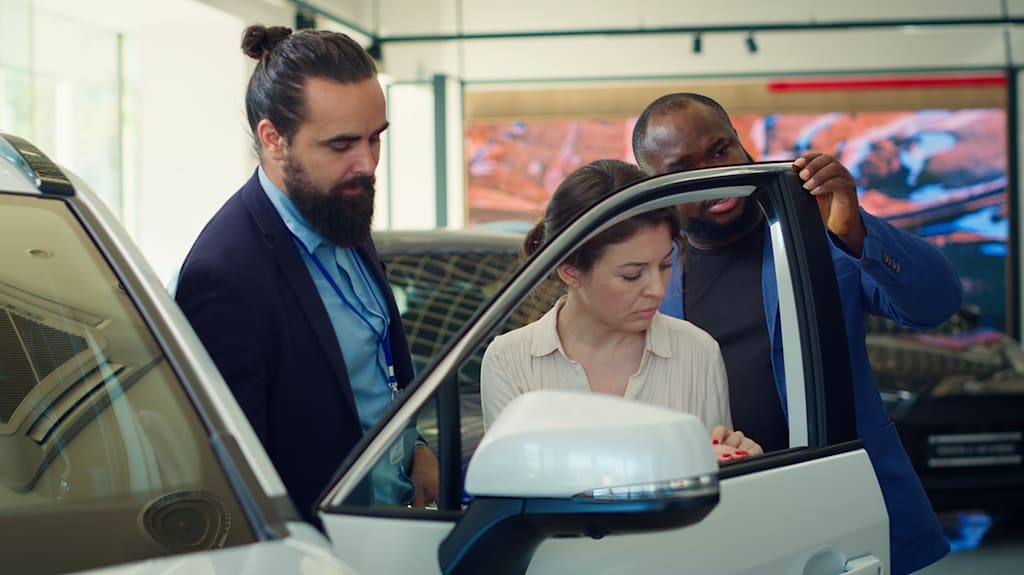
Buying a car usually starts long before anyone walks into a dealership. For many people, it begins with late-night searches, comparison tabs left open for days, and a steady stream of videos that slowly shape their preferences. By the time they see a car in person, they often already know what they like, what they want to avoid, and what feels right.
Video plays a quiet but important role in that process. It is often the closest thing to experiencing a vehicle without actually being there. A short walkaround, a driving clip, or even a simple interior view can influence how someone imagines owning that car. Because of this, the way vehicles are presented online carries more weight than it used to.
The volume problem in dealership video
For dealerships, keeping up with that expectation is not always easy. Inventory changes quickly. Some cars stay for weeks, others move within days. Creating polished video content for every vehicle is time-consuming, and in many cases, not practical. So the result is often a mix of approaches. Some listings have detailed visuals, while others rely on quick recordings or basic images that simply confirm the car exists.
There is nothing inherently wrong with that. Buyers still need accurate information. But there is a noticeable difference between content that informs and content that holds attention. The latter tends to stay with a viewer a little longer, especially during the early stages of research.
Part of the challenge is that good automotive video has traditionally required effort that does not scale well. Lighting, location, timing, and editing all matter. Even a short, well-shot clip involves coordination. Multiply that across dozens of vehicles, and it becomes clear why consistency is difficult to maintain.
Bringing inventory to life
This is where newer methods of creating visuals are starting to appear in conversations. Instead of relying entirely on traditional filming, some dealerships are exploring different ways to present vehicles that feel more complete or immersive. The idea is not to replace real footage, but to support it, especially in situations where creating high-quality video for every car is not realistic.
In that space, the term Happy Horse comes up occasionally, usually in discussions about how visual content is evolving. It is not always framed as a solution, but more as part of a broader shift in how vehicles can be represented when time and resources are limited.
What seems to matter most is not the method itself, but the outcome. Buyers respond to content that helps them picture the car in their own lives. A vehicle shown in a meaningful setting often feels more relatable than one shown in a neutral or repetitive environment. Even small changes in presentation can influence how long someone stays on a listing or whether they choose to explore further.
Seasonal and regional relevance also plays a subtle role in how content is received. A vehicle may feel more appealing when it is presented in a setting that reflects how it would actually be used. Seasonal changes, local conditions, and everyday driving scenarios can all influence how a buyer connects with what they see.
The digital advertising application of video adds another layer to this. Dealerships often need content that can quickly catch attention and communicate something meaningful in a short span of time. In crowded online spaces, visuals that feel too familiar are easy to scroll past.
Content that feels more specific or visually engaging tends to hold attention longer. Over time, regularly updating creative material can make a noticeable difference in how campaigns perform, even if the changes seem small.
Where real production still matters
At the same time, there are clear limits to how far presentation can go. When someone is seriously considering a specific vehicle, especially a used one, they want to see the real details. They look for signs of wear, interior condition, and features that are unique to that particular car. No amount of polished visuals can replace that level of transparency.
Because of this, most effective listings tend to combine both elements. There is usually something that draws attention first, followed by content that answers practical questions. One creates interest, the other builds trust.
This balance reflects how people naturally make decisions. Interest often comes first, sometimes quickly and without much analysis. The deeper evaluation happens afterward, when details begin to matter more. Video, in its different forms, supports both stages in different ways.
As online research continues to shape the car-buying process, expectations around content will likely keep changing. What feels sufficient today may feel incomplete tomorrow. Dealerships are adjusting to that in different ways, some gradually, others more actively.
What remains consistent is the role of first impressions. Long before a conversation begins, buyers are already forming opinions based on what they see. In that sense, every image or video is doing more than just showing a car. It is helping someone decide whether that car is worth their time.
And in a process where attention is limited and choices are many, that first impression still carries more weight than it might seem.
About the Creator
Sarah
With an experience of 10 years into blogging I have realised that writing is not just stitching words. It's about connecting the dots of millions & millions of unspoken words in the most creative manner possible.
Enjoyed the story? Support the Creator.
Subscribe for free to receive all their stories in your feed.
Comments
There are no comments for this story
Be the first to respond and start the conversation.