
When Can I Start Eating After Wisdom Tooth Removal?
Eating After Wisdom Tooth Removal: A Step-by-Step Guide to a Smooth Recovery

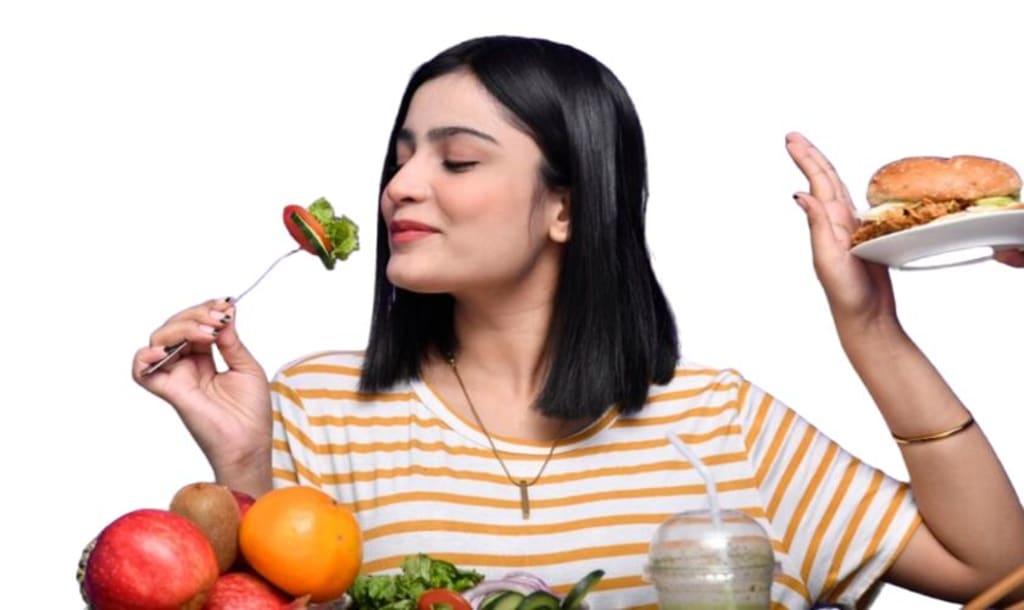
Getting your wisdom teeth removed is a common procedure, but it can come with some discomfort during the recovery process. One of the most common questions patients have is, "When can I start eating after wisdom tooth removal?" The answer can vary depending on the individual and the complexity of the extraction, but there are general guidelines that can help you ease back into eating and ensure a smooth recovery. In this blog, we will guide you through the timeline and give you tips on what to eat and when.
Immediately After Surgery: Soft Foods Only
The first 24 to 48 hours after your wisdom tooth removal are crucial for your recovery. During this time, it’s essential to follow your dentist’s instructions and avoid eating solid foods. Your mouth will be swollen, and there might be some bleeding, so it’s best to stick to soft foods to avoid disturbing the healing area.
What You Can Eat:
- Broths
- Mashed potatoes
- Smoothies (without seeds)
- Yogurt
- Ice cream (without hard chunks)
These foods are easy to consume and won’t put unnecessary pressure on the surgical site.
3 to 5 Days After Surgery: Gradually Reintroduce Soft Solids
As the swelling begins to decrease and you start to feel more comfortable, you can begin eating slightly more substantial foods. However, it's still important to stick to soft and easy-to-chew options to prevent any complications.
Foods to Try:
- Scrambled eggs
- Oatmeal (cooled)
- Pasta (well-cooked)
- Avocados
- Soft fruits like bananas and pears
At this stage, it’s still vital to avoid chewing directly on the side where the tooth was removed. This will help avoid disturbing the healing tissue and reduce the risk of complications.
1 Week After Surgery: Start Eating Normal Foods
By the time you reach the 1-week mark, you may be ready to start eating more normal foods, but it’s still essential to be cautious. The surgical site is likely healing, but it may still be tender.
What You Can Include:
- Soft chicken
- Soft sandwiches (avoid hard crusts)
- Cooked vegetables
- Rice and soft grains
- Tender meat (cut into small pieces)
Make sure to eat slowly and avoid foods that could get stuck in the surgical site, as this may lead to infection.
2 Weeks After Surgery: Return to Your Normal Diet
By the second week, your recovery should be progressing well, and you can gradually return to your normal diet. However, it’s still important to avoid overly crunchy or hard foods that could irritate the healing area.
Foods to Avoid:
- Crunchy chips and popcorn
- Hard candy
- Tough meat
- Spicy or acidic foods
- Foods with small seeds (like tomatoes or berries)
It’s important to listen to your body and stop eating if you feel any discomfort while chewing. This will help ensure that your healing process stays on track.
Foods to Avoid After a Wisdom Tooth Extraction
Even after you start eating more solid foods, there are certain foods you should avoid to prevent complications like infection or delayed healing. It's important to avoid anything that can irritate the wound or get stuck in the socket. Additionally, steer clear of foods that could be too tough on your mouth, as they can disrupt the healing process.
If you're unsure about what to eat or when to resume a regular diet, always consult with your dentist or oral surgeon. They can give you specific advice based on how your healing is progressing.
Tips for Eating After Wisdom Tooth Removal
Eating after wisdom tooth removal can be tricky, but following a few tips can help speed up your recovery and make eating more comfortable. Here are some things to keep in mind:
- Eat slowly and carefully: Chew on the side of your mouth that wasn’t affected by the surgery.
- Stay hydrated: Drink plenty of water to keep your body hydrated and help with healing.
- Avoid using straws: The suction from drinking through a straw can dislodge the blood clot and cause dry socket, a painful complication.
- Maintain oral hygiene: Gently rinse your mouth with warm salt water after meals to keep the area clean.
As you progress in your recovery, be mindful of any changes in your mouth. If you notice persistent pain, discomfort, or unusual symptoms, contact your dental office right away.
Eating after wisdom tooth removal is a gradual process that requires careful attention. While you can start with soft foods immediately after the surgery, you can gradually reintroduce more solid foods as your mouth heals. It’s essential to avoid certain foods and take precautions to ensure a smooth recovery. By following your dentist’s advice and being patient, you can enjoy your favorite foods again soon!
About the Creator
Long Beach Dental Health
As a trusted dentist in Long Beach, CA, we specialize in a variety of services, including dental crowns, Invisalign®, tooth extractions, and teeth whitening.
Enjoyed the story? Support the Creator.
Subscribe for free to receive all their stories in your feed.
Comments
There are no comments for this story
Be the first to respond and start the conversation.